Browse

Log in / Register
 Share

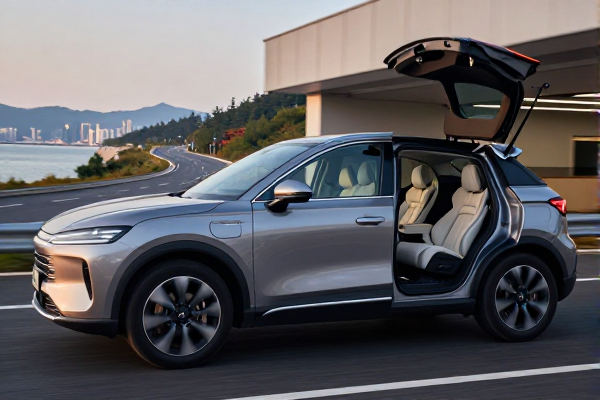
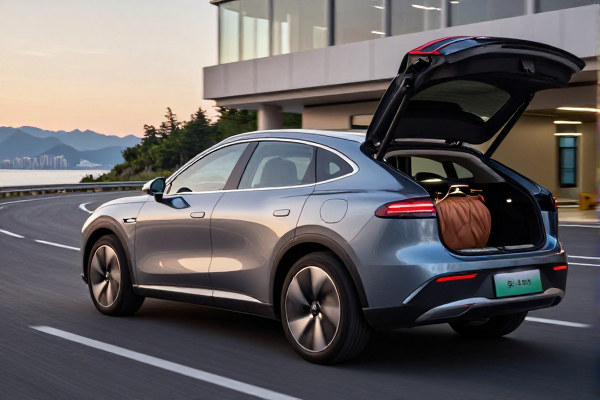
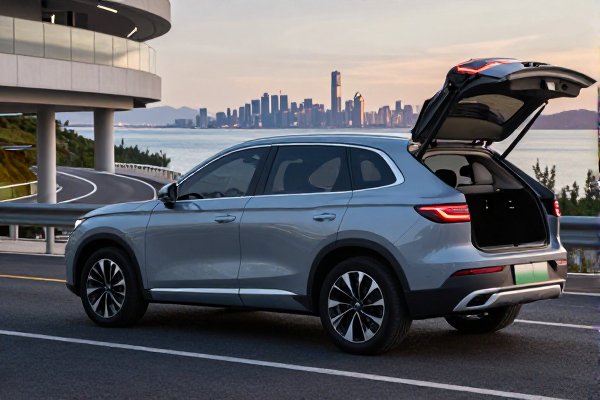
As of Oct. 21, 2026, the final day of the OMODA & JAECOO Super Intelligent Experience Lab in Wuhu, China, is giving global visitors a closer look at what a more responsive car might feel like. The event, held alongside the DRIVE TO THE NEXT VIBE International User Summit, is structured around SIVP (Super Intelligent Valet Parking) and SIAS (Super Intelligent AI Space). The central message is a simple equation: "Action × Understanding." In practice, that means vehicles should be able to come when called and park themselves, while the AI inside the cabin should be able to make sense of what drivers actually say and mean.
The automotive industry has spent years making cars respond to voice commands. Most modern vehicles will lower the temperature, change the radio station, or set a navigation route when asked. What many of them still miss is context. A driver who says "I’m running late and I need a coffee stop before the meeting" has given the car two pieces of information: a new place to visit and a reason why the visit matters. A conventional system may search for coffee shops, while the driver still has to choose one and hope the timing works. OMODA & JAECOO wants to go a step further by reading the intention behind the words.
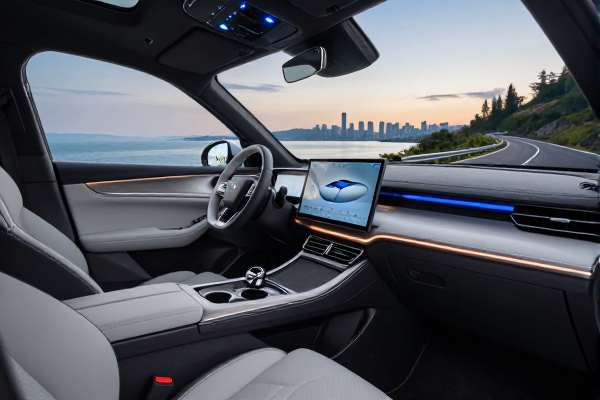
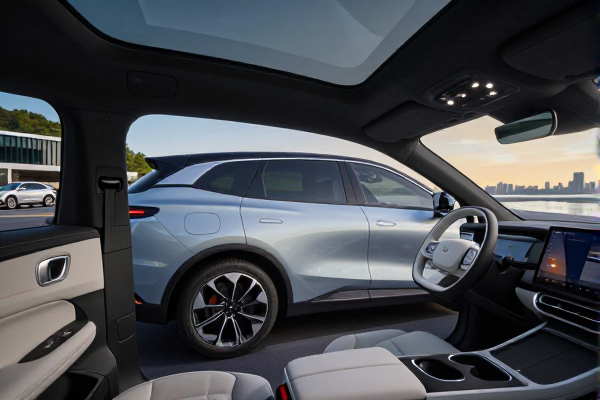
At the Experience Lab, visitors can watch SIAS handle requests that are more complicated than a simple command. The company has built the demonstration around four areas: understanding intent, understanding user habits, understanding emotion, and understanding trends. Those categories are broad, but they point to a common goal. The cabin should not just wait for the next instruction. It should learn how its owner lives and, at least in limited ways, anticipate what will make the drive smoother.
The parking part of the story may be easier to explain. Plenty of drivers know the feeling of walking through a large garage and not remembering which level they parked on. They know the annoyance of walking out into rain or extreme heat just to reach the car. They also know the pressure of trying to squeeze into a city parking spot while traffic waits behind. SIVP is aimed at those everyday moments.
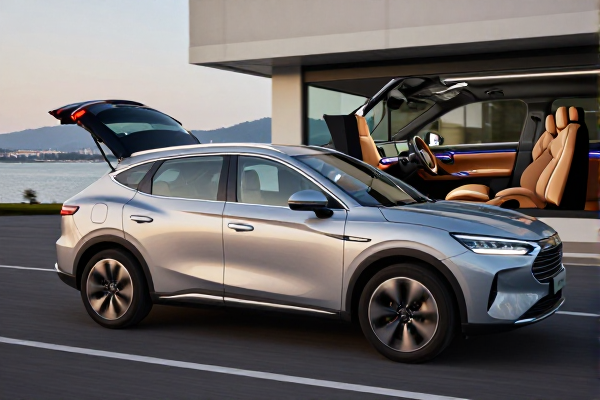
During the three-day lab, OMODA & JAECOO is using real-world parking setups rather than a sanitized demo stage. Vehicles are summoned remotely through a phone, asked to navigate a complex lot, and left to handle obstacles while moving into a spot. The vehicle uses its sensors to perceive barriers, judge space, and complete the maneuver without the driver sitting behind the wheel. Visitors are being asked to watch how the car responds when an object or another vehicle appears unexpectedly, a scenario that matters in crowded lots.
The company is equally clear about the limits. SIVP is an assisted-driving feature, not fully autonomous parking. The driver must remain alert and be ready to take control at any moment. The recommended conditions include a stable network connection and a parking area separated from public roads. That kind of disclosure matters as global regulators become stricter about how safety features are described.
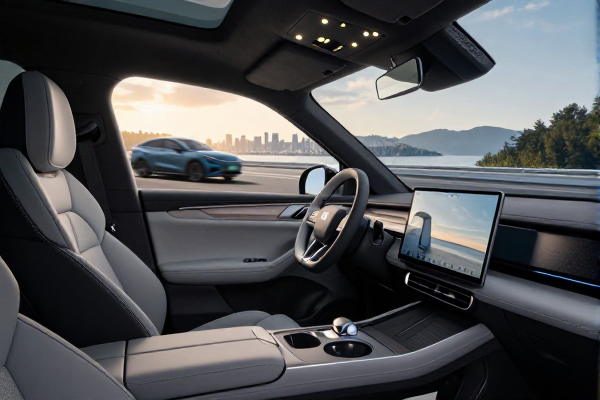
While SIVP handles the physical work, SIAS is meant to handle the human side. Traditional in-car assistants are especially good at one-line commands. They are less good at detecting whether a driver is frustrated, rushed, or unfamiliar with the area. SIAS is designed to address that gap by combining voice understanding with behavioral learning.
The four "understanding" goals in the lab give visitors a way to test the system. Understanding intent can mean that a phrase like "find a place to eat that is not too loud" is not treated as a simple map search. Understanding habits can mean the car knows that on Monday morning the driver always goes to the office, so the route suggestion is already there. Understanding emotion could lead the system to change how it speaks, depending on whether the driver sounds calm or upset. Understanding trends might cause the car to update its recommendations as the seasons change or as a new routine develops.
Guests can also try more playful interactions. The lab includes an AI virtual pet that responds to tone, keeps a light conversation going, and makes the cockpit feel less like a control panel. While that idea may sound like entertainment, the deeper point is that natural interaction is not just a gimmick. A better assistant can lower distraction and make the driving experience feel less static.
The reason OMODA & JAECOO is presenting these two technologies together is that the company believes the future of smart vehicles depends on both. A car that handles parking and avoids obstacles is impressive, but it becomes much more valuable when the driver can simply tell it where to go and trust the result. A car that understands speech is useful, but it is not truly helpful if it cannot take action.
The event’s theme, "Action × Understanding," reflects that pairing. The company has not claimed that either system is perfect. Instead, the demonstration is meant to show the direction of development. For visitors, that direction may be more important than a specific parking or voice feature.
The timing also gives the showcase a broader meaning. Automakers around the world are spending heavily on autonomous driving, cockpit screens, and AI assistants. News cycles tend to focus on one new feature at a time. OMODA & JAECOO is using its international user summit to argue that intelligent mobility will be judged by how fast a car can act and how well it can interpret the person in the driver's seat.
OMODA & JAECOO is still a young player in the global automotive market, but it has been expanding quickly. Company materials say it reached one million sales in just three years, which it describes as the fastest growth record in the global auto industry. The brand now has a presence in 79 markets across Europe, Asia, Australia, Africa, Latin America, and the Middle East. Europe has become an important region, with the brand entering 22 European countries and becoming one of the fastest-growing car brands there.
The technology showcase is part of a larger product plan. The company’s "Born Green" strategy leans on SHS super hybrid technology, which covers both PHEV and HEV powertrains. The system is designed to balance high power, low energy use, and long combined range. Battery-electric development is also accelerating, and the brand is working with AiMOGA on robots that bring the same interactive intelligence into other parts of life.
That wider roadmap matters because parking and voice commands are only entry points. If OMODA & JAECOO wants to be seen as a serious competitor to mainstream automakers, it will need to convert attention from events like this into long-term sales. The proof will be in how SIVP and SIAS perform in real traffic, real weather, and real driver habits.
As the Super Intelligent Experience Lab comes to a close, the conversation it has started is likely to stay with attendees. Drivers are used to being told that cars will become smarter. The more difficult question has always been whether smart means faster processing or better judgment. OMODA & JAECOO is betting on both.
Its visitors in Wuhu are seeing a vehicle that can move toward a person and park itself. They are also seeing an AI cockpit that can handle tangled sentences and recognize patterns. If those two abilities continue to develop together, the next generation of driving may feel less like operating a machine and more like working with a partner. That is the "vibe" the brand is chasing, and the lab is the place where it is putting that vision to the test.