Browse

Log in / Register
 Share

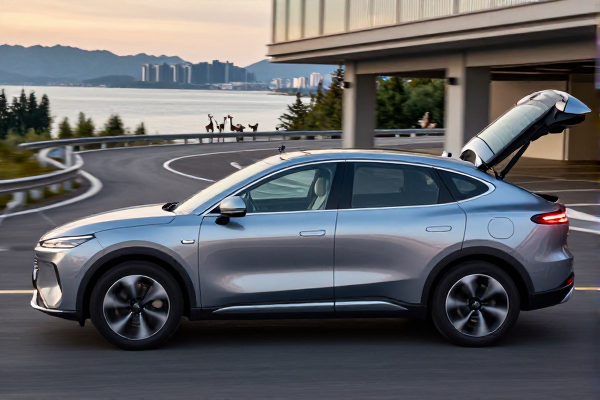
Drivers in Eastern Kentucky are facing a growing hazard as the region’s deer population bounces back from a severe disease outbreak nearly a decade ago. State wildlife officials and auto safety experts say the rebound, while welcomed by hunters, is putting more vehicles at risk of costly and dangerous collisions. As of April 8, 2025, the trend shows no sign of slowing.
The resurgence follows years of careful management after a 2017 hemorrhagic disease wiped out large numbers of deer across the commonwealth. “We got used to seeing very few deer on the roads,” said Joe McDermott, deer program coordinator for Kentucky Fish and Wildlife. “Now the herds are doing well again, but that means drivers need to be extra alert, especially during dawn and dusk.” McDermott explains that deer are crepuscular—most active in low-light hours that overlap with morning and evening commutes. They’re also drawn to roadside vegetation, which offers easy food.
That behavior creates a perfect storm in Eastern Kentucky, where winding roads and forested edges give deer frequent access. “If you spot one crossing, expect more,” McDermott added, noting that deer often travel in maternal groups. “A doe and her fawns will follow the same trail.”
The financial toll is steep. Lori Weaver Hawkins, a spokesperson for AAA Bluegrass, says the average deer-strike repair in Kentucky now exceeds $5,000, based on claims data. “That’s up sharply from just a few years ago, partly due to rising parts and labor costs,” she said. A new data analysis from AAA’s national office, released earlier this year, found that deer-related crashes typically peak between October and December, but the spring months can also be dangerous as fawns begin moving with their mothers.
According to the Kentucky Transportation Cabinet’s most recent crash stats, the eastern region accounted for 23% of all deer-vehicle collisions in 2024. That’s a notable increase from previous years, likely tied to the healthier herd. “We’ve had three reported strikes in a single week near Hazard this past March,” said local driving instructor Mark Tinsley, who runs a defensive-driving course in Perry County. “People aren’t scanning the shoulders like they should.”
Safety experts offer clear advice: Continuously scan both sides of the road, especially near wooded areas. When no oncoming traffic is present, use high beams to spot eye shine sooner. If a deer is on the road or approaching, sound a long blast of the horn. “Don’t slam on your brakes or swerve,” Hawkins emphasized. “Stay in your lane. Swerving can confuse the animal and send it right into your path—or cause you to hit a tree.”
In the event of a collision, drivers should carefully move off the roadway, turn on hazard lights, and call law enforcement immediately. Do not approach the deer, which may be injured and unpredictable.
While the rebound reflects successful wildlife management, the message for Eastern Kentucky drivers is clear: slower speeds, sharper eyes, and a firm grip on the wheel are the best defenses. For more deer-related information and season updates, visit Kentucky Fish and Wildlife’s official site.