Browse

Log in / Register
 Share

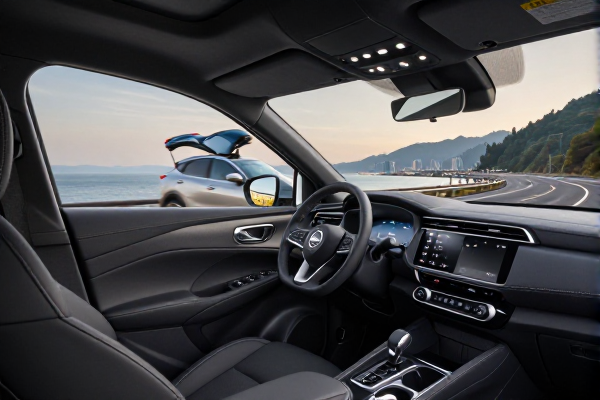
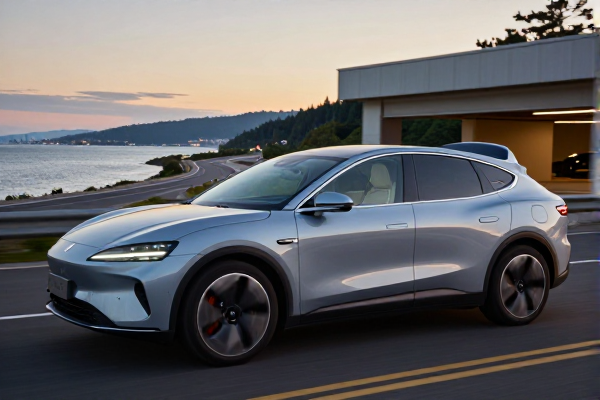
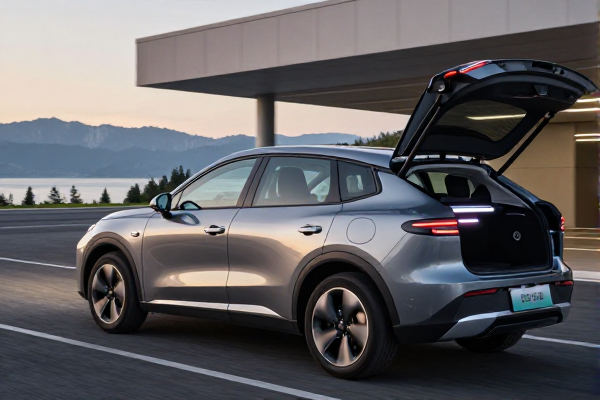
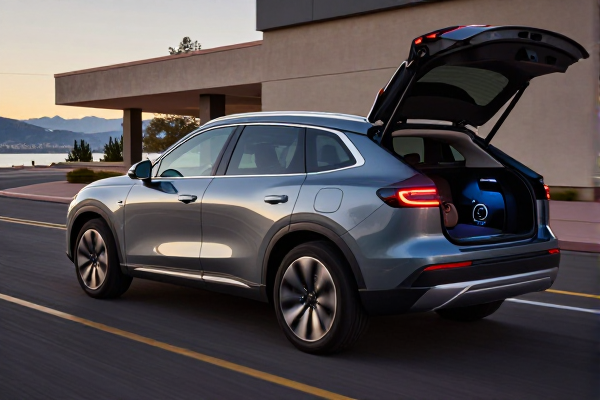
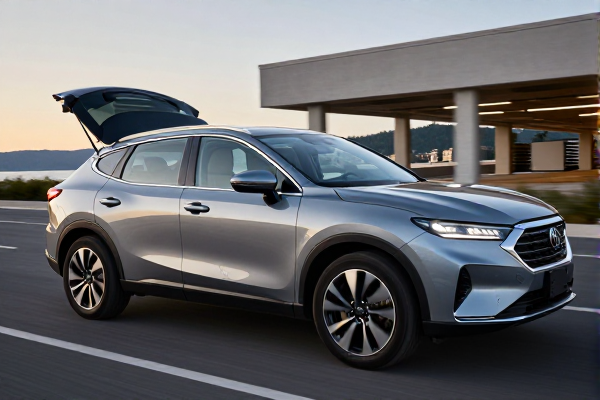
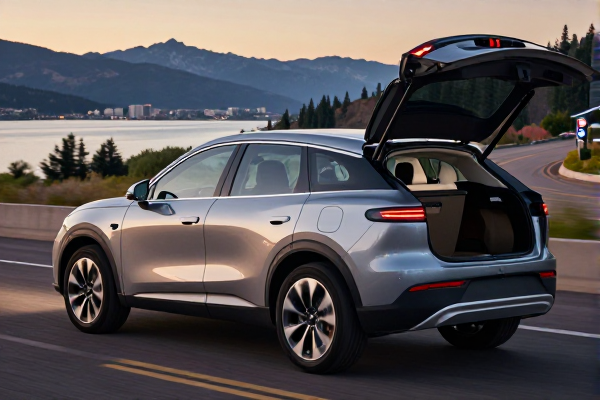
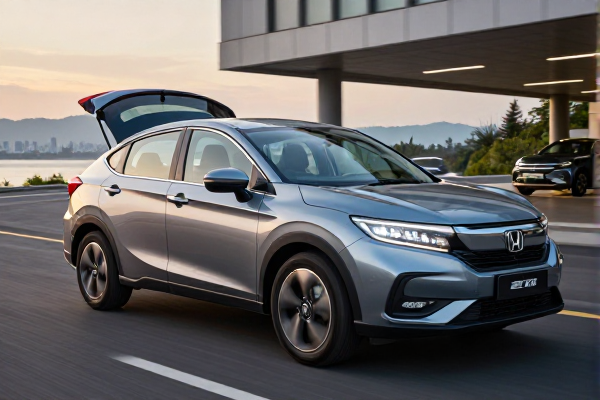
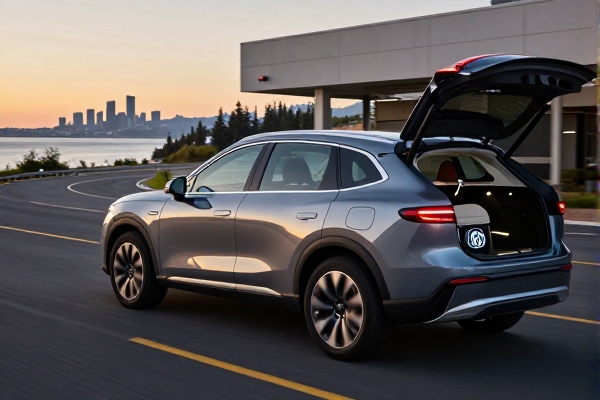
As of April 12, 2025, Nissan has once again secured a Guinness World Record with the Qashqai e-Power, this time for the longest journey ever completed by a non-plug-in extended-range electric SUV. The vehicle traveled 1,230 miles (1,980 km) from Bogotá, Colombia, to the coast without a single stop for refueling or external charging—a feat that challenges conventional notions of hybrid efficiency.
The record-breaking run was achieved using Nissan’s e-Power system, which pairs a 1.5-liter turbocharged gasoline engine with an electric motor and a 2.1 kWh battery. Unlike plug-in hybrids, the e-Power’s engine never directly drives the wheels; it only acts as a generator to charge the battery or power the motor. This series-hybrid architecture allows the Qashqai to operate like an electric vehicle while relying on gasoline for long-range flexibility.
The key lies in the e-Power system’s ability to optimize engine operation. The 1.5-liter turbo runs at its most efficient RPM range, consistently generating electricity while the motor delivers instant torque. Nissan also employed custom driving strategies and route planning to minimize energy loss. The journey from Bogotá (high altitude, cool temperatures) to the coast (lower altitude, warmer climate) leveraged gravity and regenerative braking, allowing the battery to recover energy during descents.
According to Nissan engineers, the Qashqai e-Power achieved an average fuel economy equivalent to over 80 MPG (2.9 L/100 km) under the specific conditions of the record attempt. The vehicle carried a standard fuel tank (approx. 55 liters) and started with a full battery—but no modifications were made to the fuel system or powertrain.
This record is more than a marketing stunt; it highlights the untapped potential of series-hybrid technology in a market dominated by plug-in hybrids and pure EVs. While plug-in hybrids require access to charging infrastructure to maximize efficiency, the e-Power system offers a bridge for regions with limited charging networks.
“The e-Power concept proves that a non-plug-in hybrid can achieve impressive range while maintaining the driving feel of an EV,” said Dr. Markus Schneider, an automotive powertrain analyst at the International Energy Agency (IEA). “It’s especially relevant for developing markets where charging infrastructure is sparse, but gasoline is readily available.”
Nissan has been quietly expanding its e-Power lineup globally, with the Qashqai e-Power already available in Europe, Japan, and parts of Latin America. The company is reportedly developing a next-generation e-Power system with a larger battery (around 5 kWh) to enable short zero-emission city driving, while retaining the gasoline generator for long trips.
The previous record for a non-plug-in EREV SUV was held by the BMW i3 REx, which managed about 1,000 miles in a similar endurance test. The Qashqai e-Power’s 1,230-mile run surpasses that by 23%, thanks to its larger fuel tank and more efficient engine-generator combination. However, the i3 REx had a smaller battery and a 0.6-liter engine, making it less suited for sustained high-speed driving.
Unlike the Chevy Volt (which is a plug-in hybrid), the e-Power cannot be externally charged, so its electric-only range is limited to a few miles. But for long-distance travel, the system’s simplicity and reliability shine.
Nissan plans to offer e-Power in more models, including the upcoming X-Trail and Rogue e-Power, which are expected to launch in the US market within the next two years. The record-breaking Qashqai e-Power journey