Browse

Log in / Register
 Share

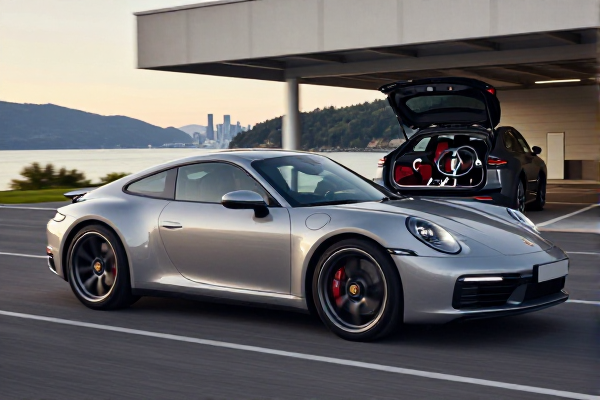
Porsche has expanded its U.S. recall of certain 911 and 718 models, and it has raised the urgency to the highest level. The automaker is now telling owners of newly included sportscars not to drive them until a potentially defective front-axle tie rod is repaired.
The updated warning, published through the National Highway Traffic Safety Administration, applies only to vehicles listed in the expanded recall population. It does not apply to every Porsche 911 or 718 on the road, but owners need to check their vehicle identification number instead of assuming their car is safe.
The expansion is tied to the same steering-linkage problem that triggered the original recall. Under certain conditions, the tie-rod socket can fail. A tie rod is a critical part of the front suspension and steering setup. If it breaks while the car is moving, the wheel can shift out of position, and the driver can lose steering control almost instantly.
That type of failure is not comparable to a torn interior trim panel or a faulty infotainment screen. This is a moving-vehicle safety defect, and Porsche has decided that waiting for a scheduled appointment is not good enough.
Most recalls are inconvenient but do not stop a car from being driven. A Do Not Drive notice is reserved for situations where NHTSA and the manufacturer believe the defect could lead to a crash, injury, or death if the owner continues to drive.
Porsche is telling owners not to take the added vehicles on any trip, no matter how short. Even a drive around the block carries the risk of sudden steering loss. That is why the company is also arranging towing and alternates for affected owners who need to get their cars to a dealer.
This kind of warning is still relatively rare in the automotive world. It became widely associated with the Takata airbag crisis, but it has also been used for suspension, steering, and fuel-system defects where the failure mode is immediate and severe. For Porsche enthusiasts, the news is especially frustrating because 911 and 718 models are often driven for enjoyment, not just daily transport.
The original recall focused on a production window for certain Porsche 911 and 718 models. After additional engineering reviews, Porsche decided that the same tie-rod issue could also exist in other vehicles outside that initial group. That is what triggered the expansion.
While the automaker has not yet published a simple public list of every affected model year and trim, the expansion includes multiple generations of the 911 as well as the 718 Boxster and 718 Cayman. The common thread is the front-axle hardware that Porsches used across several recent model years.
Porsche is sending first-class letters to registered owners on a staggered schedule. If you bought a used 911 or 718 recently, the letter may go to the previous owner. That means you should not wait for paper mail to arrive.
The fastest way to find out whether your car is part of the Do Not Drive warning is to use a VIN lookup. NHTSA’s recall database is free, and it is updated with official manufacturer recall actions. You can go to nhtsa.gov, enter your full 17-character VIN, and see whether the expanded Porsche recall appears.
You can also use Porsche’s owner recall page for the U.S. market. The company’s portal will show any open campaign attached to your vehicle, including the Do Not Drive designation if your car falls into the affected group.
If you do not have your registration handy, the VIN is printed on the dashboard near the windshield on the driver’s side. It is also listed on the driver’s door frame sticker and on most insurance cards.
If the VIN check comes back clean, that means your car is outside the affected population. If it comes back with an open recall, treat the Do Not Drive warning as active.
For every vehicle included in the expanded campaign, an authorized Porsche dealer will inspect the left and right front tie-rod assemblies. Depending on the condition of the parts, the technician will replace the tie rods at no charge. Porsche will also cover any related labor costs.
The replacement parts are being supplied to dealerships ahead of the official owner-notification mailing. Porsche has also told its network to hold any unsold or unrepaired inventory that falls within the expanded population. That means dealers are not allowed to deliver a car that is still under the Do Not Drive warning.
Owners who need to get their vehicle to the dealer should not drive it. Porsche has instructed owners to contact roadside assistance or the dealer to arrange flatbed towing. That service is part of the recall remedy and should not cost the owner anything.
If you already paid to replace the same tie rods before the recall was announced, you may be eligible for reimbursement. NHTSA requires manufacturers to make the process available, and Porsche asks owners to provide their old repair orders for review.
This expansion is particularly important for anyone shopping for a used Porsche sports car. Private-party listings for 911 and 718 models often look attractive until a safety issue appears.
A seller might say that the car has an open recall and that it is just a matter of getting the parts installed. With a Do Not Drive recall, the risk is much more serious. The car is not safe to operate until the repair has been completed and recorded.
Before signing any paperwork, ask the seller for the exact VIN and run it through NHTSA’s database. If the vehicle is included in the expanded Porsche recall, a reputable seller should not allow a test drive. A buyer should also verify after the repair that the dealer stamped the service record and updated the VIN status.
The next phase will be the official owner-notification mailing. In most cases, NHTSA schedules that notification within a few weeks of the recall filing. Porsche will then issue a second round of notices once parts are fully available at every dealership.
Until that happens, the Do Not Drive warning remains in force for newly added vehicles. Owners should leave the car parked, avoid moving it from one side of the driveway to another, and call for assistance if service is required.
This is also a reminder that even a carefully engineered performance car can face a serious safety issue after production. The 911 and 718 lines are among the most respected sportscars on the road, but they are still mass-produced machines with parts supplied from an extended supply chain. When a fast-moving defect such as this is discovered, manufacturers are expected to react quickly.
Porsche’s decision to expand the recall and issue a Do Not Drive warning is aggressive. It may create some short-term frustration for owners, but it is the right approach. Asking people not to drive a car is never good for customer satisfaction. Asking them to drive a car with a known steering risk would be far worse.
If your 911 or 718 is affected, the best move is to contact your local Porsche dealer or Porsche roadside assistance today. The sooner the VIN is confirmed, the sooner the car can be scheduled for inspection and repair.
All information in this article reflects the recall situation as of April 27, 2026. Because safety campaigns can change quickly, always confirm the status of your specific vehicle with NHTSA or Porsche before driving.