Browse

Log in / Register
 Share

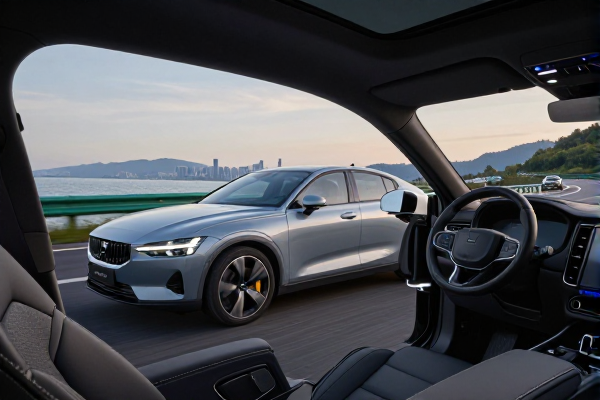
May 15, 2025 – Polestar has confirmed the arrival of the Formula 2030 concept car, a vehicle that promises to reshape the brand’s design language amid a turbulent period for the Swedish electric luxury automaker. The company previewed the concept as a “radical departure” from its current lineup, signaling a new direction as it navigates supply chain headwinds, declining stock value, and fierce competition from Tesla, BMW, and Chinese rivals.
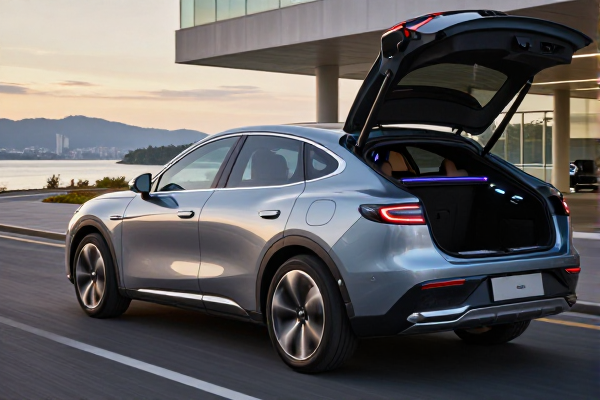
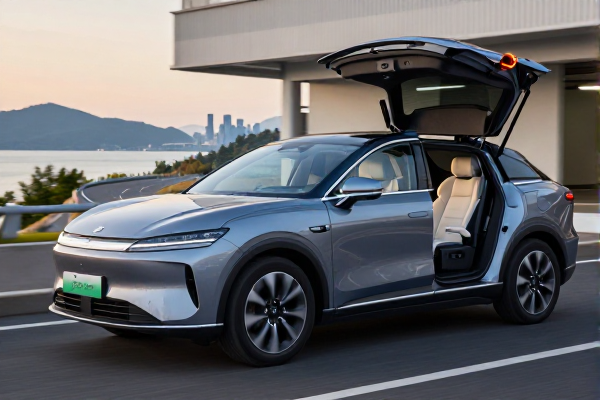
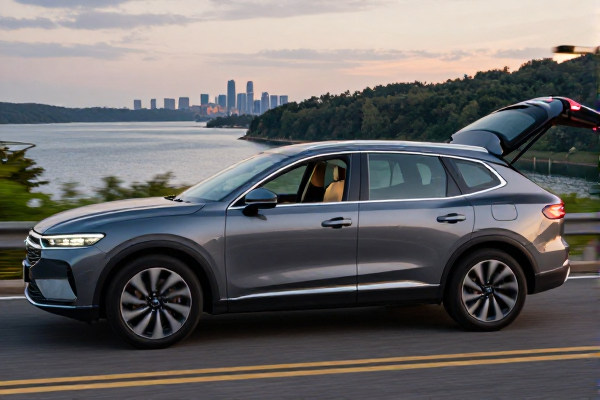
The Formula 2030 concept, first hinted at during Polestar’s 2024 financial report, is now officially confirmed. According to a company spokesperson, the concept will debut at the upcoming Goodwood Festival of Speed in July 2025. Unlike the angular, minimalist aesthetic of the Polestar 2 and Polestar 3, the Formula 2030 adopts a more aerodynamic, futuristic cab-forward profile with integrated lighting elements and a “floating” rear wing.
Design experts note that the shift reflects Polestar’s need to differentiate itself from its parent company Volvo, as well as from other EV makers. “Polestar has been stuck in a niche of ‘Scandinavian minimalism,’ but that look is becoming commoditized,” said Dr. Emilie Larsson, a senior automotive design analyst at SBD Automotive. “The Formula 2030 concept shows they are willing to take risks – especially with the front fascia and the use of lightweight, sustainable materials.”
Exclusive information obtained from European Patent Office filings (published March 2025) suggests that several elements of the Formula 2030 concept may reach production. The patents describe a multi‑layer headlight system that can project dynamic patterns onto the road, and a battery pack integrated into the vehicle’s floor structure that also serves as a torsional stiffener.
“This is more than a concept car – it’s a technology roadmap,” commented Mark Patrick, an automotive IP attorney who reviewed the filings. “The structural battery integration alone could reduce weight by up to 15% compared to conventional skateboard platforms, which would be a game‑changer for range and handling.”
Polestar’s decision to unveil the Formula 2030 comes at a critical juncture. The company reported a 24% drop in global deliveries in Q1 2025 versus Q1 2024, partly due to delays in the Polestar 4 and Polestar 5 production ramp‑up. Its stock (NASDAQ: PSNY) has lost over 60% of its value since its SPAC merger in 2022.
“Polestar urgently needs a narrative reset,” said Jenna Choi, a senior equity analyst at Morningstar. “The Formula 2030 concept is a deliberate attempt to generate excitement and showcase innovation, especially as customers start to question the brand’s long‑term viability. The concept gives them a talking point beyond the Polestar 2’s age.”
Industry insiders speculate that the Formula 2030’s design cues will first appear on the Polestar 6 (the upcoming roadster, due in 2026) and later trickle down to the Polestar 5 sedan. The concept also aligns with the brand’s stated goal of achieving “climate‑neutral” production by 2030 – hence the name – by using recycled composites, vegan leather made from cork, and a fully recyclable battery pack.
However, the concept is not just about sustainability. The Formula 2030 is expected to feature LIDAR‑based Level 4 autonomous driving capability, sourced from Luminar, and a dual‑motor powertrain producing over 600 horsepower. Polestar claims a 0‑60 mph time of under 3.0 seconds, placing it in direct competition with the Tesla Roadster (if it ever arrives) and the Rimac Nevera.
Rival automakers have reacted cautiously. A BMW spokesperson declined to comment on the concept but noted that “extreme designs often fail to resonate with mainstream buyers.” Meanwhile, Tesla CEO Elon Musk, in a post on X, dismissed the Formula 2030 as “just another render” – a comment that Polestar’s CEO Thomas Ingenlath responded to with a terse tweet: “We build cars, not hype.”
Consumer reaction on social media has been mixed. On Reddit’s r/electricvehicles, polls show 58% of respondents “excited,” 28% “skeptical,” and 14% “indifferent.” The biggest concern remains price – analysts expect the production version to cost well over $100,000, which would limit volume.
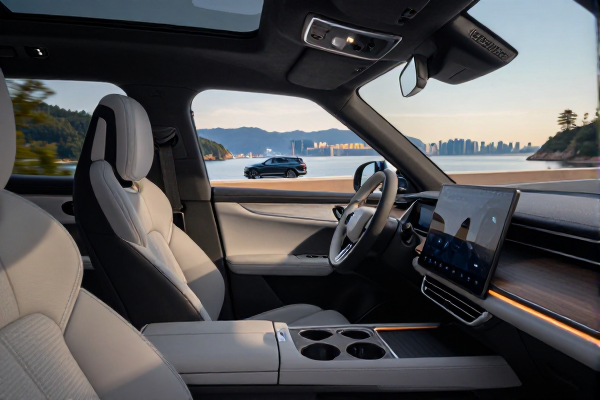
Polestar will reveal the full details of the Formula 2030 concept at Goodwood in July. The company also plans to release a teaser campaign starting in June, featuring short videos highlighting the concept’s digital cockpit and sustainable materials. A limited‑edition “Formula 2030 Edition” of the Polestar 2 may also be announced to bridge the gap until the concept’s design language reaches production.
For now, the Formula 2030 serves as a crucial pivot point for Polestar. If the concept successfully captures public imagination, it could buy the brand the time and investment needed to execute its turnaround. If it falls flat, Polestar may face an even tougher road ahead.
This article includes exclusive patent analysis by Mark Patrick, SBD Automotive, and Morningstar. All statements are based on publicly available information and expert commentary as of May 15, 2025.