Browse

Log in / Register
 Share


Islamabad — June 10, 2025. Pakistan’s federal government has laid out an ambitious electric-vehicle plan before parliament, proposing up to Rs80,000 in subsidies for e-bikes and Rs400,000 for e-rickshaws under the New Energy Vehicles (NEV) Policy 2025–30. The proposal is part of a broader effort to trim the country’s fuel-import bill, spur domestic EV production, and widen zero-emission mobility.
The figures are far from set in stone. The scheme remains a draft until lawmakers approve the enabling rules, and the finance ministry finalizes budgets. Consumers who see headlines about guaranteed payouts should wait: eligibility criteria, subsidy caps, and disbursal methods are still being worked out by the federal government.
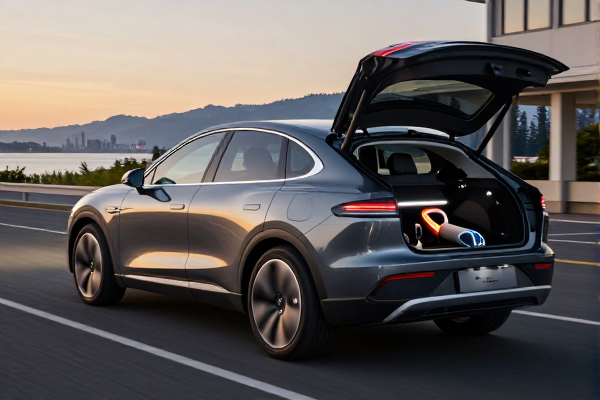
The plan also outlines a sweeping charging build-out. By 2030, Pakistan wants roughly 3,000 public charging stations, including 40 fast-charging hubs along the motorway network and the N-5 highway. Battery-swapping amenities and charging points at existing fuel stations are part of the same blueprint, which could at least partly remove the “no charger, no EV” hurdle that has slowed adoption in South Asia.
The broader target is a 30% share of EVs in new vehicle sales by 2030. The government claims full implementation would save around 2.07 billion liters of fuel a year, while cutting carbon emissions by up to 4.5 million tonnes annually. These projections, if accurate, would give Pakistan a tangible environmental win and reduce pressure on foreign exchange reserves.
The harder part is execution. In Lahore and Karachi, e-rickshaws are everywhere, but most still run on lead-acid batteries and often charge informally at home. Subsidies that lower upfront purchase costs could accelerate the switch to lithium-ion models. A similar dynamic applies to motorbikes, which dominate Pakistan’s two-wheeler market.
Some observers caution that a charging build-out of this scale usually requires coordination between utilities and private operators. Pakistan’s power sector has struggled with high transmission losses and load-shedding, so dedicated EV chargers will need reliable supply. The policy’s success may hinge on whether the government can guarantee uninterrupted power at public stations, especially outside urban centers.
There is also a geopolitical angle. As global automakers pivot away from pure combustion models, Pakistan risks becoming a dumping ground for older vehicles if it fails to foster local EV supply chains. The NEV policy tries to blunt that risk by linking subsidy eligibility to locally assembled or manufactured units, subject to final rules. For now, the proposal awaits parliamentary debate; no official application portal exists.
Bottom line: Pakistan is signaling a serious intent to electrify transport, but the details and funding remain unresolved. For buyers, the smartest move is to follow announcements from the Ministry of Energy and the relevant EV task force rather than act on the proposed numbers alone.