Browse

Log in / Register
 Share
Share
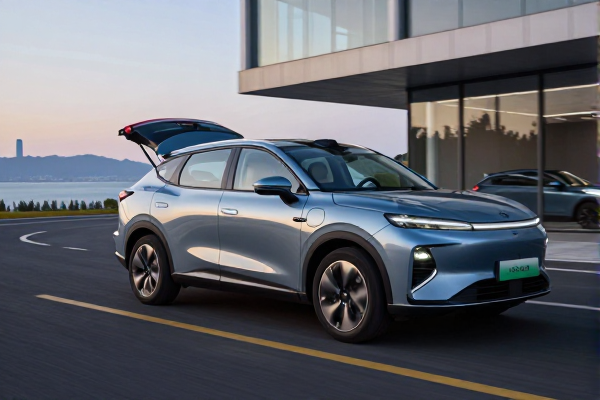
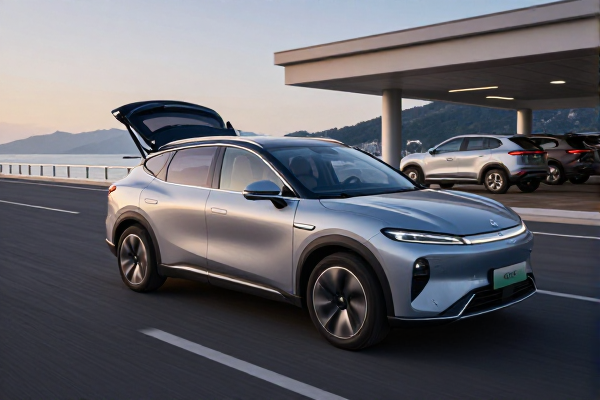
The Omoda 9 crossover has just received a significant mid-cycle update aimed squarely at its most criticized aspect: the driving experience. A crucial suspension overhaul headlines a series of refinements that could reposition this Chinese-made contender more firmly against established European luxury compact SUVs. July 15, 2024
For critics and potential buyers alike, the Omoda 9 presented a compelling yet frustrating package. Its cabin quality, feature set, and attractive pricing have consistently drawn praise, creating a strong first impression. However, that promise often unraveled on the road. The vehicle's driving dynamics, characterized by a soft, floaty suspension and disconnected steering feel, stood as the primary barrier preventing it from being a serious alternative to segment benchmarks like the Audi Q3 or BMW X1.
The core of the 2024.5 model year update is an invisible but profoundly impactful change. Omoda has equipped the SUV with new electronic adaptive dampers. This technology replaces the previous passive suspension setup, allowing the system to continuously adjust shock absorber firmness in response to road conditions and driving style. The implementation is shared with the mechanically related Jaecoo 8, a model noted for its notably more composed and confident ride-handling balance.
This upgrade directly targets the prior model's specific shortcomings. Drivers reported excessive body roll during cornering, a lack of composure over broken pavement, and a generally under-damped sensation that undermined refinement. Early indications suggest the new electronic suspension should mitigate these issues, offering a flatter cornering stance and more controlled absorption of bumps and potholes. If successful, this change could elevate the Omoda 9's driving manners to be competitive with mainstream favorites such as the Hyundai Santa Fe and Skoda Kodiaq, closing its most significant gap to premium rivals.
Beyond the suspension, Omoda has implemented several interior and feature enhancements to bolster the vehicle's luxury appeal. The cabin now features a suede-like headliner, adding a tactile, upscale element overhead. The front seats have been upgraded to include massage functionality, a welcome comfort feature for long journeys. A new "Black Noble" trim variant has been introduced, featuring gloss black alloy wheels and exterior accent trims for a more assertive, monochromatic aesthetic.
The plug-in hybrid powertrain remains largely unchanged, a testament to its strong initial specification. The system continues to combine a gasoline engine with an electric motor for a total system output of approximately 449 horsepower. One minor specification adjustment is a slight reduction in all-electric range, though it remains a standout figure. Officials cite a pure-electric range just shy of 90 miles, which continues to position the Omoda 9 PHEV as one of the longest-range models in its class, offering significant potential for emission-free daily commutes. A practical new addition is vehicle-to-load (V2L) capability, allowing the SUV's high-voltage battery to power external devices, from camping equipment to household appliances during a power outage.
Market Context and Competitive Angle The timing of these upgrades is strategic. Chinese automakers, including Omoda's parent company Chery, are making a concerted push into Western markets with a focus on high-value, technology-rich vehicles. The initial reception to models like the Omoda 9 has highlighted that competitive pricing and interior luxury are achievable, but mastering the nuanced driving characteristics expected by European and American consumers is the final hurdle. This suspension-focused update is a direct response to that market feedback, demonstrating a capacity for rapid product evolution.
Analysts note that the vehicle's value proposition becomes significantly sharper if the driving experience now matches its other attributes. With a starting price expected to hold steady in the mid-$40,000 range, a well-rounded Omoda 9 could force rivals to re-evaluate their own pricing and equipment levels. The key question for brands like Audi and Mercedes-Benz will be whether brand heritage and dealer networks can outweigh a substantial price and equipment disadvantage against a now dynamically competent challenger.
Pricing for the updated model is set to remain highly competitive. In the UK market, the starting Manufacturer's Suggested Retail Price (MSRP) holds at £44,995. Through online car buying platforms like Carwow, significant savings off this list price are typically available, potentially bringing the transaction price well into the £40,000 range. This pricing strategy maintains the Omoda 9's core advantage as a premium-feel vehicle accessible at a mainstream cost.
First customer deliveries of the revised model are scheduled to begin in August. The automotive press is keenly awaiting the opportunity for comprehensive road tests to verify if the new electronic dampers have indeed transformed the driving experience. If the improvements are as substantial as the specifications suggest, the Omoda 9 may well transition from a promising "what if" to a genuine headache for the established luxury compact SUV hierarchy. Its journey underscores a new era where software-driven mechanical upgrades can swiftly address product weaknesses, shortening traditional development cycles and raising the competitive stakes for all manufacturers.