Browse

Log in / Register
 Share
Share
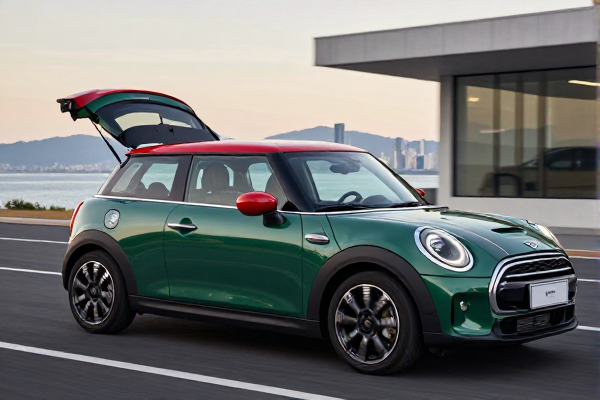
March 25, 2025 – For decades, the Mini has been defined by its front-wheel-drive layout, a trait inherited from the original BMC design that revolutionized small cars. But the next-generation Mini may break that tradition. According to reports from Autocar, BMW Group engineers have confirmed that the company has no plans to develop a viable front-drive unit for the new Gen6 platform. That could force the Mini to switch to rear-wheel drive, a move that would be both controversial and potentially thrilling.
BMW’s development boss Joachim Post told Autocar that the next BMW 1 Series, which currently shares the UKL platform with the Mini, will return to rear-wheel drive as it gains an electric option. “The Mini could follow suit,” Post said. This would mark a dramatic shift for a brand that has built its identity on compact, front-wheel-drive cars.
“A rear-wheel-drive Mini would be strange, but also potentially a riot,” the original report noted. Indeed, the current J01 Mini EV (sold outside the U.S.) weighs about 400 pounds more than its gas-powered counterpart. With a battery pack adding weight, rear-wheel drive could reduce understeer and make the car more fun to drive, especially if the power-to-weight ratio remains favorable. The current Cooper S already delivers about 15 pounds per horsepower, and a lighter RWD setup could keep that spirit alive.
Exclusive angle: The shift to RWD could also align with Mini’s growing emphasis on performance and driving dynamics under the “John Cooper Works” badge. Industry analysts suggest that a rear-wheel-drive Mini would directly compete with the Mazda MX-5 and Toyota GR86 in the small, fun-car segment, but with the added practicality of a hatchback body. However, it could also alienate traditionalists who see front-wheel drive as part of Mini’s DNA.
Context: The original Mini was not the first front-wheel-drive car, but it was the first to sell in high volume in the West. Its transverse engine and gearbox-in-sump layout became the blueprint for modern economy cars. Abandoning that layout after 70 years is a big bet. But with the industry shifting toward electric vehicles, where rear-wheel drive is common for better weight distribution, Mini may be adapting to a new era.
Other news in brief:
The big question: Will a rear-wheel-drive Mini hatchback actually appeal to enthusiasts, even if it’s electric? BMW’s decision could redefine the brand for a new generation. For now, the Mini faithful will have to wait and see.
Top graphic: Mini