Browse

Log in / Register
 Share

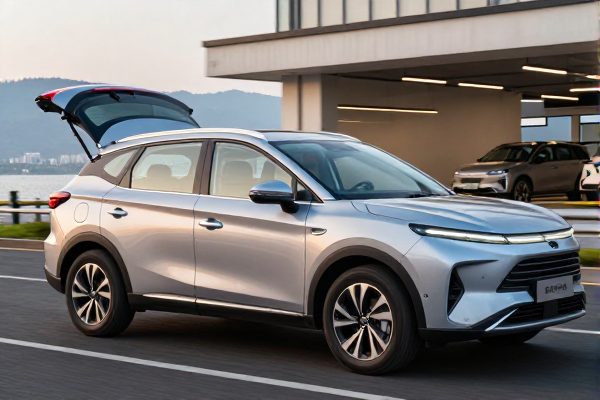
The Naima Nepal Mobility Expo 2026 officially opened Tuesday in Bhrikutimandap, Kathmandu, bringing together over 55 automotive brands and more than 40 new vehicle models under one roof. Organized by the Nepal Automobile Industries Association (Naima), the expo aims to present the latest technologies, vehicles, and multi-dimensional topics shaping the country’s rapidly evolving mobility sector. The event runs until Shrawan 31 (mid-August 2025) and is expected to attract thousands of visitors ahead of Nepal’s festive season.
Highlights: EV Surge, Tax Grievances, and Road Safety Concerns
Nepal Police Inspector General Dan Bahadur Karki and Naima Chairperson Ritu Singh Vaidya jointly inaugurated the expo. In her opening speech, Vaidya stressed that mobility is not a luxury but a necessity for development. “Vehicles should not be viewed merely as luxury items or a primary source of government revenue; they are an integral part of national development,” she said. Vaidya noted that Naima, which started with 21 members a year ago, now includes 36 companies, reflecting the rapid shift toward electric (EV) and hybrid technologies in Nepal’s transportation sector.
The expo features four-wheelers, two-wheelers, and commercial vehicles from brands including Hyundai, Tata, Toyota, Mahindra, Kia, BYD, OMODA & JAECOO, MG, Citroen, Great Wall Motors, ZEEKR, Leapmotor, and others. Organizers say the event provides a single platform for consumers to compare offerings and take advantage of cash discounts, exchange bonuses, and festive deals.
Industry Leaders Call for Policy Overhaul
Despite the expo’s upbeat atmosphere, top industry representatives voiced strong dissatisfaction with government policies. Anjan Shrestha, Chairman of the Nepal Chamber of Commerce, complained that Nepal has the world’s highest customs rates and that the government treats the auto sector as a “cash cow.” “In the last 20–25 years, the volume of vehicles in Kathmandu has increased excessively, but road expansion and flyover construction are only heard of after political changes,” he said.
Birendra Raj Pandey, Chairman of the Confederation of Nepalese Industries (CNI), linked the auto sector’s struggles to the broader economic recession. “To achieve the government’s target of 7% economic growth, capital expenditure must be significantly increased. Investment in infrastructure and mobility is critical to create jobs and prevent youth migration,” Pandey added.
Kamlesh Agarwal, Chairman of the Nepal Chamber of Commerce, raised fears triggered by the Anti-Money Laundering Act. “If you go to buy a car with your own money, the police might apprehend you and question the source of funds. Assets earned legally before 2064 BS (2007–2008) are not documented anywhere. Until these anomalies are resolved, economic activity cannot expand,” he warned.
IGP Highlights Road Safety Crisis
Nepal Police IGP Dan Bahadur Karki presented alarming data: in the last fiscal year alone, 2,707 people died in road accidents, and 47,553 were injured — an average of 130 injuries and 7 deaths daily. Motorcyclists account for 59% of those involved. Karki emphasized that many accidents stem from “road engineering” flaws — incorrect slopes, potholes, lack of lanes — rather than solely driver error. He also urged automakers to improve after-sales service, a common consumer complaint, and called for public cooperation in curbing haphazard parking in Kathmandu.
Value-Add: Global Context and EV Adoption
Nepal’s auto market is at a turning point. According to the International Energy Agency, Nepal’s EV share in new vehicle sales jumped from 5% in 2020 to over 20% in 2024, driven by government incentives and rising fuel costs. However, inconsistent policies and high import duties (up to 80% for some models) create uncertainty for investors. The expo’s emphasis on green mobility aligns with the government’s target to make EVs 50% of new vehicle sales by 2030, but industry leaders say that requires stable regulations, battery recycling infrastructure, and support for local assembly plants.
The Naima Nepal Mobility Expo 2026 runs until mid-August 2025, offering a rare glimpse into the future of mobility in one of South Asia’s fastest-growing automotive markets.