Browse

Log in / Register
 Share


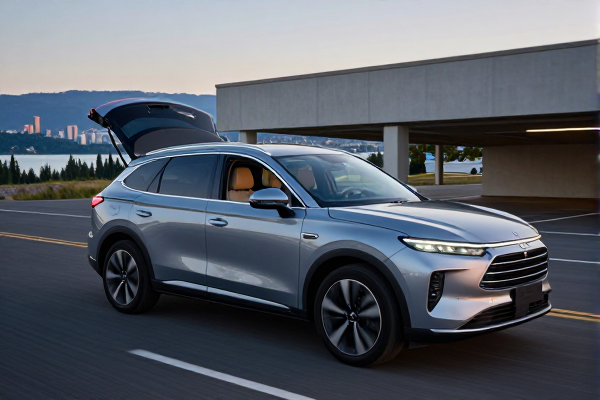
July 15, 2024 — The premium electric SUV segment, long dominated by established German and American brands, is about to get a distinctly French infusion. The DS 7, known internally as the N°7, is poised to enter the U.S. market as the flagship electric vehicle for the Stellantis Group's luxury marque, DS Automobiles. Slated for deliveries starting in late 2026, it promises an alternative philosophy centered not on outright sportiness, but on first-class travel comfort and sensory refinement.
For American consumers, DS remains a niche player, often overshadowed by its corporate siblings like Jeep and Ram. However, the brand has cultivated a reputation in Europe for avant-garde design and a unique take on luxury. The DS 7 E-TENSE represents its most concerted effort yet to translate that ethos for the global EV stage. Built on the Stellantis STLA Medium platform, it aims to prove that premium electric mobility can be defined by tranquility and well-being as much as by horsepower and lateral g-forces.
Performance with a Purpose: Range Over Race Tracks Underpinning the DS 7's comfort mission is a capable electric powertrain lineup. The range-topping model features a dual-motor, all-wheel-drive setup producing 350 horsepower, with a temporary boost function for overtaking. More critically for U.S. buyers, it boasts a substantial battery capacity. The largest available pack is 97.2 kWh, which translates to a European WLTP-rated range of up to 740 kilometers (approximately 460 miles). When adjusted for the stricter EPA testing cycle, a realistic estimate for the U.S. would be closer to 350-380 miles—still highly competitive. DC fast-charging capability allows a 20-80% top-up in roughly 27 minutes, aligning with modern road trip expectations.
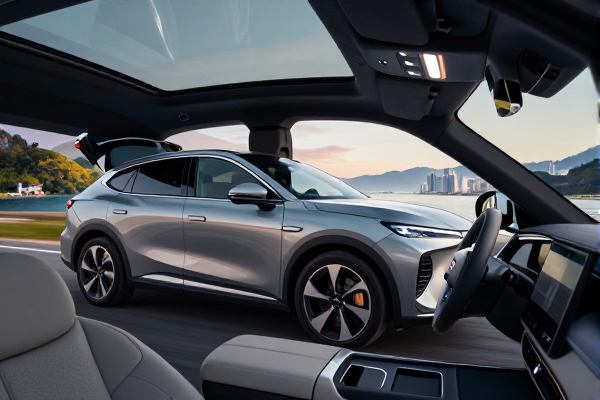
The "First-Class Cabin" Ethos in Practice Where the DS 7 seeks to differentiate itself is in its cabin experience. The design philosophy explicitly targets a reduction in "driver mental load." This manifests in several ways: exceptionally quiet operation aided by a 0.26 drag coefficient, premium materials like Nappa leather and open-pore wood, and seats equipped with heating, cooling, and massage functions. An optional neck warmer for convertible-like moments with the panoramic roof open underscores the brand's attention to sensory detail. The optional 14-speaker Electra 3D audio system is calibrated for immersive listening rather than mere volume, completing the lounge-like atmosphere.
Technology in Service of Serenity The tech suite in the DS 7 follows the same comfort-first mantra. Instead of overwhelming drivers with complexity, systems like DS DRIVE ASSIST 2.0 offer Level 2 hands-on driving assistance to reduce highway fatigue. More innovative is the Active Scan Suspension, which uses a front-mounted camera to read the road surface and pre-adjust the dampers for imperfections, prioritizing glide over sporty firmness. Pixel Vision LED adaptive headlights provide exceptional night visibility, while Night Vision can detect pedestrians or animals in darkness beyond the headlight beam. An expansive head-up display keeps vital information in the driver's sightline, minimizing distractions.
The Core Challenge: Breaking Through in America The DS 7's greatest hurdle is not its specifications, but brand recognition. In a U.S. market where "German luxury" is a default setting for many premium buyers, DS lacks a established dealership network and historical presence. Its success hinges on Stellantis's strategy for the launch. Will it be sold through select existing Chrysler-Dodge-Jeep-Ram dealers, or will DS attempt to create standalone retail spaces that better convey its luxury ethos? Furthermore, marketing must clearly articulate its value proposition: a sanctuary of comfort in the often-stressful context of daily driving and long EV journeys.
Pricing and Market Positioning While final U.S. pricing has not been announced, European figures provide a guide. There, the electric E-TENSE variants start around €46,990. A direct conversion is misleading, but a competitive U.S. starting price in the mid-$50,000 range would place it against base versions of the Audi Q6 e-tron, BMW iX3, and the upcoming electric Mercedes-Benz GLC. This positions the DS 7 as a compelling alternative for buyers seeking similar size and range but a markedly different driving character—one of insulation and calm.
The Verdict: A Welcome, if Uphill, Contender The DS 7 E-TENSE is a compelling proposition on paper. It offers legitimate long-range capability, a thoughtfully executed interior, and technology designed to ease rather than excite. It fills a genuine gap for an EV that prioritizes passenger well-being above sporty pretensions. However, its ultimate impact in the U.S. is inextricably linked to Stellantis's commitment to building the DS brand here. For the discerning EV shopper tired of the ubiquitous German and Tesla narratives, the DS 7 warrants a close look. It represents a choice not just between brands, but between definitions of what makes a vehicle truly premium—a reminder that luxury can be measured in decibels of silence as meaningfully as in tenths of a second to sixty.