Browse

Log in / Register
 Share

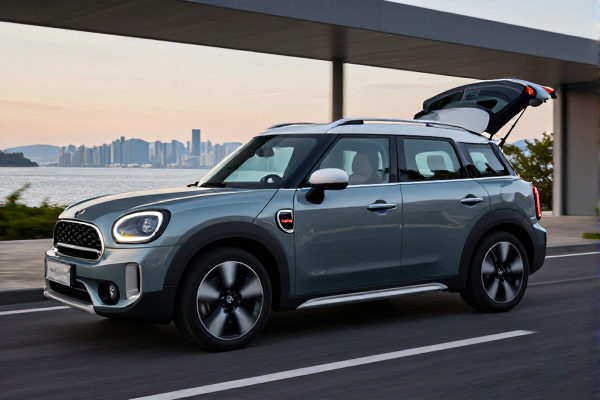
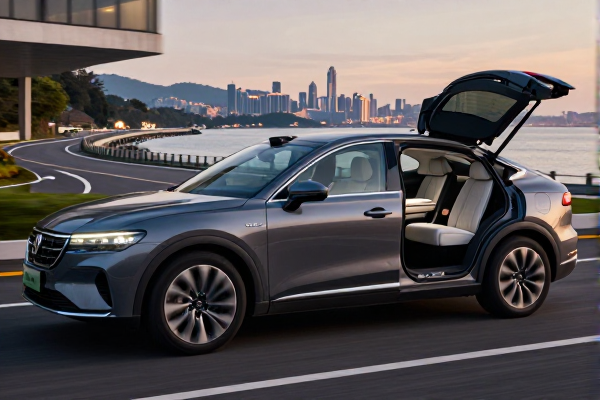
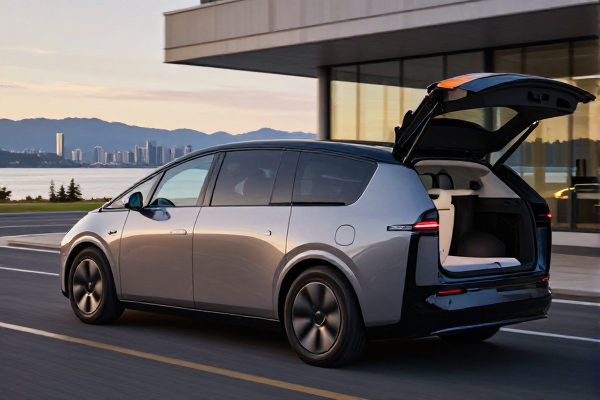
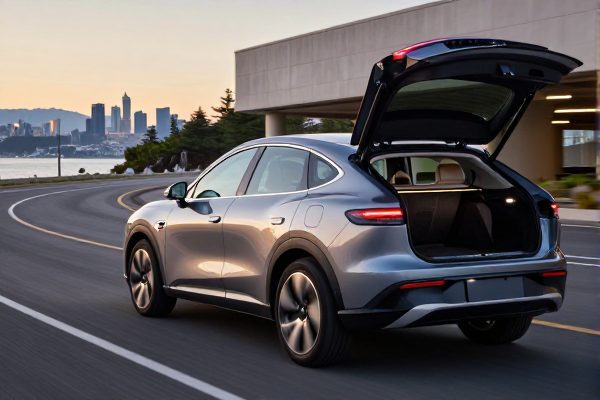
Two very different small electric SUVs — the MINI Countryman Electric (U25 generation) and the Jeep Avenger Elektro — are often cross-shopped because their UK starting prices are nearly identical: £31,204 for the MINI, £31,173 for the Jeep. Published June 4, 2025, this spec-driven comparison looks at range, charging, performance, space and value — with essential US context, since only the MINI is officially available in North America.
The first surprise? Both EVs land practically side by side in pricing. In US dollar terms, each works out to roughly $39,900–$40,000 before incentives and local taxes. But the similarity ends at the sticker.
MINI classifies the Countryman as a lower-medium (compact premium) SUV, while Jeep positions the Avenger as a small car. That's not just a labeling difference: the MINI is 361 mm longer, and its wheelbase extends 130 mm further. The Avenger, in turn, is lighter by a dramatic 420 kg — more than the weight of five average adult passengers.
There's a generation gap too. The Countryman U25 has been on sale since March 2024; the Avenger FH1 dates back to March 2023, though Jeep has grown the line-up considerably since then.
And for American readers: Jeep does not sell the Avenger in the United States. Jeep has kept the little electric crossover for Europe, reinforcing that this comparison reflects the transatlantic market gap. MINI, meanwhile, offers US buyers the Countryman SE ALL4 — a dual-motor, all-wheel-drive version with significantly more power than the front-wheel-drive European model described in most of the specs below.
On paper, the MINI is clearly quicker:
| Spec | MINI Countryman Electric | Jeep Avenger Electric |
|---|---|---|
| Power | 150 kW (204 hp) | 115 kW (156 hp) |
| Torque | n/a | 260 Nm |
| Drive | Front-wheel drive | Front-wheel drive |
| 0–100 km/h | 8.6 s | 9.0 s |
| Top speed | 170 km/h | 150 km/h |
That's a 35 kW advantage for the MINI — roughly 48 hp — and it shows in overtaking and highway cruising. Jeep fans will point to the Avenger's 260 Nm of torque, but in a 115 kW EV the motor simply runs out of breath sooner. The 0.4-second gap in the 0–100 km/h sprint understates the real difference; the MINI feels more effortless at speed.
However, the Avenger's 420 kg weight advantage narrows the gap in stop-and-go town traffic, where a light, quick-steering crossover can feel more nimble than a heavier premium one.
| Dimension | MINI Countryman Electric | Jeep Avenger Electric |
|---|---|---|
| Length | 4,445 mm | 4,084 mm |
| Width | 1,843 mm | 1,776 mm |
| Height | 1,635 mm | 1,527 mm |
| Wheelbase | 2,692 mm | 2,562 mm |
| Boot | 460 liters | 355 liters |
| Ground clearance | 171 mm | 230 mm |
| Curb weight | 1,940 kg | 1,520 kg |
| Turning radius | 11.0 m | 10.0 m |
The MINI's 105-liter cargo advantage is significant for baby buggies, sports bags, or airport runs. It also offers class-above rear-seat legroom thanks to the longer wheelbase.
The Jeep hits back with ground clearance — a stout 230 mm, which is 59 mm more than the MINI. That gives the Avenger genuine rough-road attitude, reinforced by a tight 10.0 m turning circle that makes U-turns in the city effortless.
Tow ratings tell a different story: MINI allows up to 750 kg braked and unbraked; Jeep lists zero towing capacity. Anyone planning to pull a small trailer or bike rack should immediately remove the Avenger from the shortlist.
This is where 2025 specs matter most.
| Electric spec | MINI Countryman Electric | Jeep Avenger Electric |
|---|---|---|
| Gross battery | 66 kWh | 54 kWh |
| Net battery | 64 kWh | 51 kWh |
| WLTP range | 462 km | 400 km |
| Urban range | n/a | 585 km |
| Consumption (combined) | 14.7 kWh/100 km | 15.0 kWh/100 km |
| AC charging | 11 kW | 11 kW |
| DC fast charging | 130 kW | 100 kW |
| Connector | Type 2 / CCS | Type 2 / CCS |
| Port location | Rear right | Rear left |
| Heat pump | Yes | Yes |
| V2L | No | No |
The MINI's numbers are the stronger set: more range (a roughly 15% advantage), a higher DC peak rate, and slightly better combined efficiency — despite being far heavier. That's the benefit of a newer-generation electric architecture with 66 kWh of gross capacity and a low-drag design.
The Jeep's headline figure, 585 km of urban range, sounds spectacular — and it's real. At low city speeds, the lighter, smaller Avenger stretches its energy incredibly far. But for mixed and highway driving, the MINI remains ahead.
In practice, both will charge from 10% to 80% in around half an hour at a suitably fast public charger — the MINI because it accepts more power, the Jeep because its battery needs less energy to fill. Home AC charging is identical on both at 11 kW, and both come with a heat pump as standard, which keeps winter range losses in check.
One 2025 development worth tracking: Jeep's Avenger family has grown to include the Avenger 4xe range-extender, combining a 1.2-liter turbo gas generator with electric drive. That car is a different proposition from this full-EV comparison, but it gives buyers an alternative if battery-electric range remains a concern.
Both are five-seat, five-door SUVs with all-disc braking and coil-spring suspension front and rear. Both lack vehicle-to-load (V2L) capability, and the Jeep still lists no official towing figure.
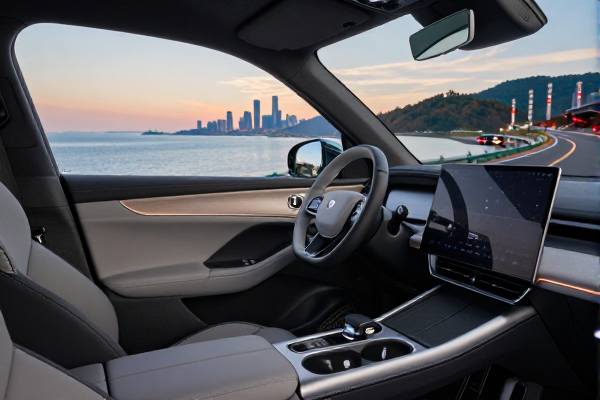
The MINI allows a 75 kg roof load; the Jeep's spec sheet doesn't document one. The MINI also has a more premium-looking interior — arguably the best in the segment — whereas Jeep's cabin is more utilitarian in both materials and layout.
But the Avenger's 230 mm of ground clearance gives it genuine capability on broken roads, and Jeep's brand equity in off-roading means buyers give it the benefit of the doubt even when it's city-priced.
Choose the MINI Countryman Electric if:
Choose the Jeep Avenger Electric if:
That said, US buyers face a more straightforward decision: the Jeep Avenger is simply not available at US dealers. MINI's US EV is the Countryman SE ALL4 — quicker than the European single-motor car, with dual-motor AWD — but its EPA range will be lower than European WLTP figures, so check official fueleconomy.gov numbers before signing.
The MINI Countryman Electric is the more complete car by almost every measurable standard: 15% more range, 35 kW more power, a 105-liter bigger boot, towing capability, and better efficiency. The £31 price difference is essentially a rounding error.
The Jeep Avenger Electric still makes sense as a city-first, fun, rugged EV with top-notch ground clearance — and its solid 400 km WLTP range keeps it fully relevant. But on paper, the MINI wins this duel. In 2025's increasingly crowded EV market, the MINI Countryman Electric isn't just competitive against this one rival; it's setting the benchmark for compact premium electric SUVs.