Browse

Log in / Register
 Share


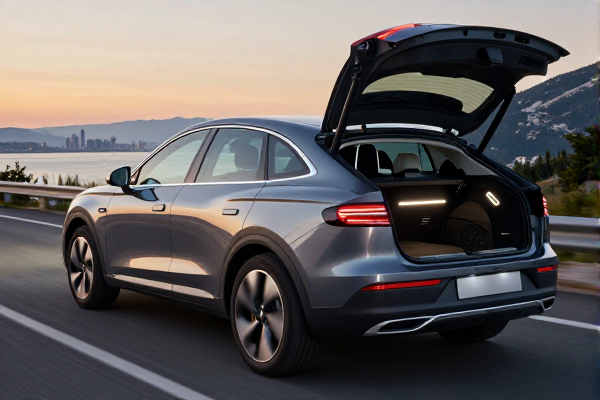
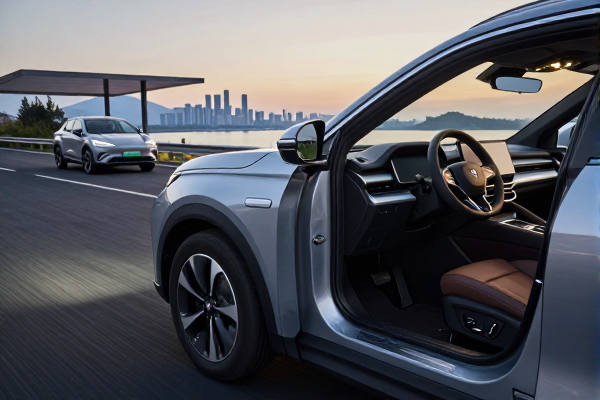
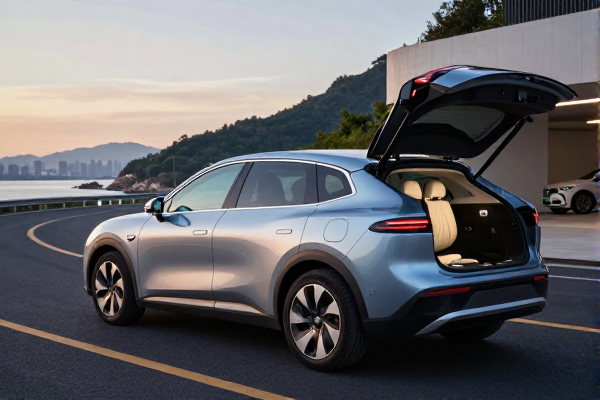
October 5, 2025 — Mid-size SUVs and crossovers longer than four meters now account for 18.2% of India’s passenger vehicle sales in the first quarter of fiscal year 2027, up sharply from 12.4% two years earlier, according to estimates from Kotak Institutional Equities. The sustained growth underscores a deepening premiumization trend in the world’s third-largest auto market, as Indian consumers increasingly trade up from smaller, more affordable cars to larger vehicles offering more space, comfort, and technology.
Compact SUVs—those under four meters—have seen their share slip to 14.6% from 16.2% a year ago, while hatchbacks continue to lose ground. Sedans have remained relatively stable, but the overall trajectory points to a clear consumer preference shift toward bigger, more feature-rich vehicles.
Industry analysts attribute the rise to rising household incomes, maturing car ownership cycles, and a growing appetite for premium features. “Mid-size SUVs offer more cabin and luggage space, making them ideal for family and long-distance travel,” said Poonam Upadhyay, director at Crisil Ratings. “As incomes rise, many buyers are willing to pay a premium for these benefits.”
Connected technology, advanced safety systems, and convenience equipment like sunroofs are also driving demand. Hyundai Motor India, for instance, reports that sunroof-equipped variants now account for a significant share of its SUV volumes—a clear signal that Indian buyers increasingly value features once reserved for luxury models.
Carmakers are responding with a steady pipeline of new launches and facelifts. Hyundai Motor India plans to introduce a new mid-size internal-combustion-engine SUV during the upcoming festive season, according to MD and CEO Tarun Garg. The company already sells the popular Creta in the segment. Rivals such as Maruti Suzuki, Kia, and Tata Motors are also expanding their mid-size SUV portfolios, intensifying competition.
The shift is not just about models—it’s reshaping India’s entire passenger vehicle market. In the U.S., a similar trend has played out over the past decade, with SUVs overtaking sedans as the dominant body style. However, India’s move is happening faster, driven by a younger demographic and rapid urbanization that encourages multi-purpose vehicles.
With more models entering the market—including electrified variants expected in the next two years—mid-size SUVs are poised to become the largest segment in India’s passenger vehicle market within three to five years, according to a recent note from IHS Markit. The firm projects segment share could reach 25% by FY29, up from 18% today.
This growth is not without challenges. Supply chain constraints and rising input costs could pressure margins, especially for automakers offering heavily discounted launches. Yet, the underlying demand remains robust, supported by India’s expanding middle class and improving road infrastructure.
For U.S. investors and industry observers, the Indian mid-size SUV boom offers a glimpse into the next frontier of global auto growth—where affordability meets premium aspiration, and where traditional segments are being rewritten by a generation of buyers who value versatility over price alone.
With inputs from TOI and IHS Markit.