Browse

Log in / Register
 Share

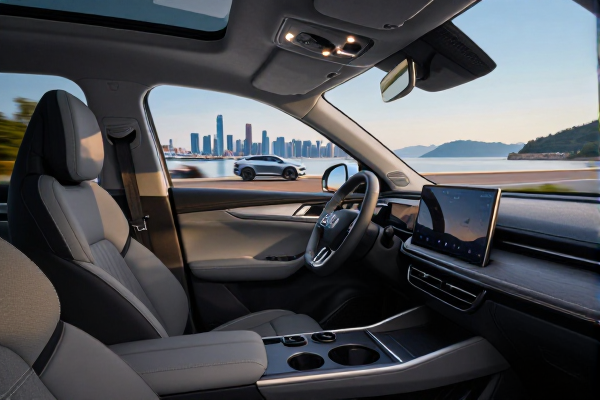
On July 15, 2024, JSW MG Motor India introduced the MG ADAPT modular vehicle architecture, a flexible platform engineered to accommodate multiple electrified powertrains. The company confirmed that the first two models—an electric vehicle (EV) and a plug-in hybrid electric vehicle (PHEV)—will roll out by the financial year 2026-27, marking a strategic push into India’s growing new energy vehicle (NEV) segment. This development aligns with global automotive trends toward electrification and modular design, positioning MG as a contender in competitive markets.
The MG ADAPT platform, short for Advance Drive Architecture Platform Technology, represents a significant leap in automotive engineering by integrating four powertrain types: EV, hybrid electric vehicle (HEV), PHEV, and range-extender electric vehicle (REEV). This modular approach allows JSW MG Motor to streamline production, reduce development timelines, and offer diverse vehicle options without separate architectures. According to industry analysts, such platforms are becoming essential for automakers aiming to balance cost-efficiency with rapid innovation, as seen in similar initiatives by companies like Volkswagen with its MEB platform.
A key innovation within ADAPT is its dedicated hybrid system, which combines a hybrid engine with a 10-in-1 Intelligent Electric Drive Unit—claimed as a first in India. This compact unit minimizes mechanical complexity while enhancing performance metrics like acceleration and energy efficiency. Additionally, the platform features an Electromagnetic Dedicated Hybrid Transmission, designed to deliver smoother power transitions and quicker response times, improving overall driving refinement. These technologies underscore MG’s focus on adapting global advancements to local market needs.
The platform’s intelligent energy management system dynamically coordinates between the combustion engine, battery, and electric motor, enabling four automatic driving modes. In Pure Electric Drive, the vehicle operates solely on electricity for urban quietness, while Series Hybrid Drive uses the engine to generate power for the motor. Parallel Hybrid Drive engages both engine and motor for high-performance scenarios, and Engine Direct Drive optimizes efficiency during highway cruising. This adaptive system analyzes real-time conditions to select the optimal mode, potentially boosting range and reducing emissions.
For range-extender EVs, ADAPT offers a unique configuration where a petrol engine acts solely as a generator to recharge the battery, without directly driving the wheels. This setup aims to alleviate range anxiety common in pure EVs while preserving electric driving characteristics. Experts note that REEVs could bridge the gap in markets with limited charging infrastructure, such as parts of rural India, making them a pragmatic step toward full electrification.
From a market perspective, MG’s ADAPT platform arrives as India’s EV adoption accelerates, supported by government incentives and rising consumer interest. JSW MG Motor plans to leverage this architecture for its next-generation NEVs, targeting affordability and performance. Anurag Mehrotra, Managing Director of JSW MG Motor India, emphasized that ADAPT reflects a commitment to “globally advanced technologies tailored to Indian customers,” suggesting potential exports to regions like Southeast Asia or Europe in the future.
Exclusive insight reveals that MG’s modular strategy may influence global competitors, particularly as U.S. automakers like Ford and General Motors expand their EV portfolios. According to a recent report by BloombergNEF, modular platforms can reduce manufacturing costs by up to 30%, a critical factor in price-sensitive markets. MG’s move could pressure rivals to accelerate similar innovations, fostering a broader shift toward scalable electric mobility solutions.
The first ADAPT-based vehicles, an EV and a PHEV, are slated for debut by FY 2026-27, though specifics on models or pricing remain undisclosed. MG’s timeline coincides with India’s goal to achieve 30% EV sales by 2030, potentially positioning the brand as a key player. Early rumors suggest the EV might be a compact SUV, catering to popular segments, while the PHEV could offer a balance for urban and long-distance drivers.
In conclusion, the MG ADAPT platform exemplifies how modular architectures are reshaping the automotive landscape, offering versatility and efficiency. As JSW MG Motor rolls out its initial EV and PHEV, this technology could set benchmarks for innovation in emerging markets, with ripple effects on global electrification efforts. Consumers and industry watchers alike will keenly await further details, as MG drives toward a sustainable future.