Browse

Log in / Register
 Share


The artificial intelligence revolution is triggering a memory chip crunch that could derail advancements in self-driving cars. As AI infrastructure consumes vast resources, autonomous vehicle manufacturers are grappling with supply constraints and escalating costs. October 1, 2023.
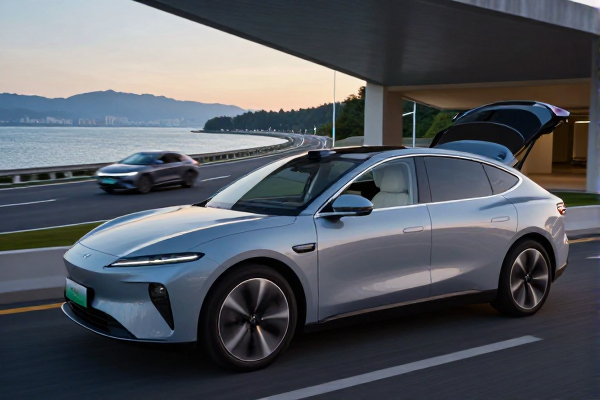
Autonomous driving technology relies heavily on advanced memory chips to process real-time data from sensors, cameras, and AI systems. Modern vehicles, especially those targeting Level 4 autonomy, require over 300 gigabytes of memory—a staggering increase from past automotive needs. This surge stems from the complexity of navigating roads, interpreting environments, and ensuring passenger safety without human intervention. Industry leaders like Tesla and Waymo have consistently highlighted memory as a critical bottleneck in scaling their fleets.
Simultaneously, AI data centers are driving an unprecedented memory arms race. High-bandwidth memory (HBM) and DRAM are in soaring demand as companies like Google, Microsoft, and Amazon invest billions in AI servers, each needing terabytes of storage. Deutsche Bank analysts note that AI-related memory demand could outstrip supply through 2030, creating a persistent shortage. Manufacturers such as Micron, Samsung, and SK hynix are prioritizing these high-margin AI orders, leaving fewer chips for other sectors.
The semiconductor supply chain cannot rapidly expand to meet this dual demand. Building new fabrication plants requires years and investments exceeding $10 billion, with current capacity already strained. Unlike the pandemic-era chip shortage, which was temporary, AI's growth represents a structural shift that continuously absorbs production. This dynamic forces automakers into a competitive scramble for remaining memory components, often at premium prices.
Rising memory costs pose a direct threat to autonomous vehicle affordability. If carmakers absorb higher expenses, profit margins shrink; if they pass costs to consumers, sticker prices could jump by thousands of dollars. With average new car loans already above $40,000 in the U.S., expensive self-driving features may become unattainable for budget-conscious buyers. This economic pressure could delay widespread adoption just as regulatory frameworks and public acceptance are improving.
A recent Gartner report adds a new dimension: global AI memory demand is projected to grow 35% annually through 2025, while automotive memory needs rise at 20%. This gap underscores the imbalance, with AI sectors leveraging economies of scale that automakers cannot match. Exclusive insights from industry experts reveal that some car manufacturers are exploring partnerships with memory suppliers or investing in alternative technologies, such as neuromorphic computing, to mitigate dependency.
The long-term outlook suggests a rebalancing act. Automakers may need to redesign systems for memory efficiency or delay full autonomy rollouts. Policymakers and investors are watching closely, as delays could impact economic forecasts and tech innovation races. Ultimately, the clash between AI and automotive sectors highlights a broader resource competition in the tech era, where strategic planning and collaboration will determine which industries thrive.