Browse

Log in / Register
 Share


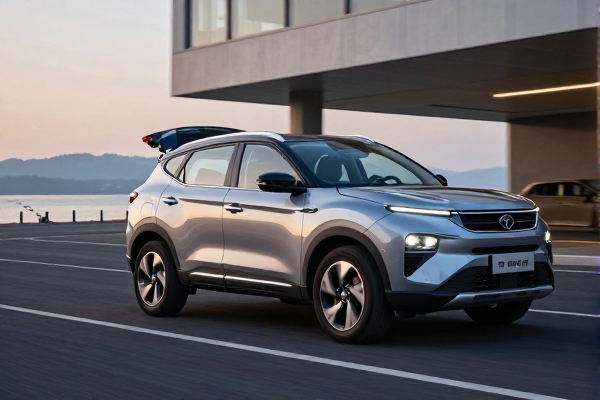
I walked into the 2025 Mazda CX-5 launch expecting the usual blend of driving joy and premium feel that made me a fan of the brand. Instead, I left with a nagging question: did Mazda sacrifice usability for a giant screen?
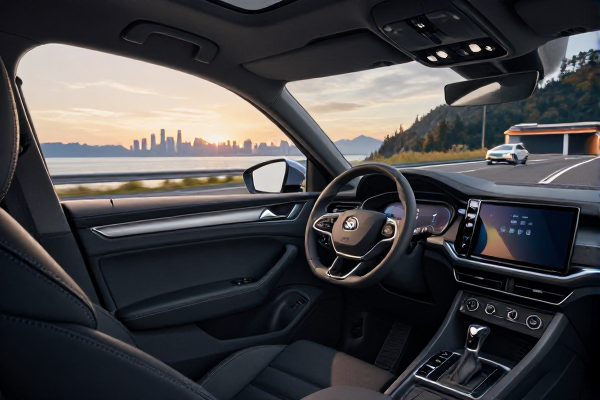
It’s April 2025, and the all-new CX-5 has arrived at U.S. dealerships with a longer wheelbase, a roomier cabin, and a massive 15.6-inch touchscreen — the largest ever fitted to a Mazda. But that screen, while impressive on paper, comes at a cost: almost every physical button has been banished.
The Screen That Takes Over Everything
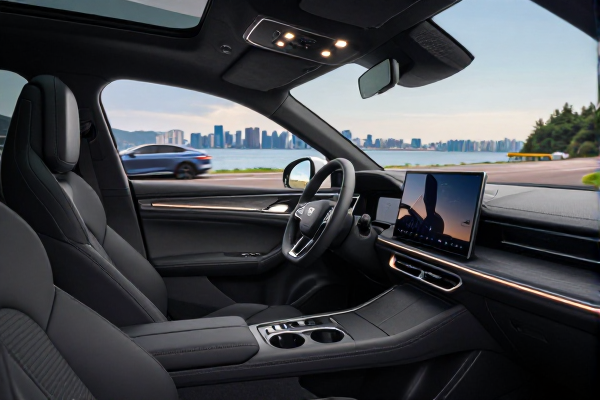
Sliding into the top-tier CX-5 S Premium Plus, the first thing you notice is the television-sized display dominating the dashboard. Mazda has moved climate controls, seat heating and cooling, and even the volume knob onto the touchscreen. I counted just three physical buttons on the entire center stack: front defroster, rear defroster, and hazard lights. The volume rocker on the steering wheel offers some relief, but adjusting the radio or temperature while driving means taking your eyes off the road to tap small icons — a risky game of “pin the tail on the donkey.”
Tuning a radio station, for instance, requires navigating through multiple menus. The system is powered by Google Built-in, which allows voice commands via Google Gemini, but the manual interactions are far from intuitive. Compared to the previous generation’s rotary controller, the new touch-centric approach feels like a step backward for driver focus.
Mazda’s Defense: Voice and Familiarity
A Mazda spokesperson acknowledged the shift, telling me that the new Human-Machine Interface (HMI) philosophy aims to minimize distraction. “Customer feedback showed that the previous commander knob made using Apple CarPlay and Android Auto difficult,” they explained. “The new system leverages Google Built-in with touch, voice, and steering wheel controls for a more intuitive, smartphone-like experience.”
While voice commands can handle many tasks, real-world testing shows that even simple adjustments — like changing the fan speed — require multiple taps or a specific voice phrase. The system’s reliance on the screen feels like a trade-off: you gain a large display for navigation and apps, but lose the tactile feedback that made the old system so easy to use without looking.
Interior Quality: A Mixed Bag
Mazda has long been praised for upscale interiors, but the 2025 CX-5 presents some surprises. The seats feel firm with limited side bolstering, not ideal for spirited driving. Hard plastics appear on the door pulls, upper door panels, and sides of the center console — areas where earlier models used softer materials. The overall impression is a slight downgrade in perceived quality, though the design remains clean and modern.
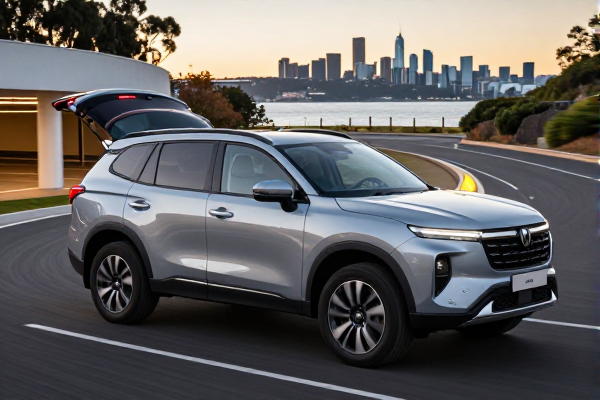
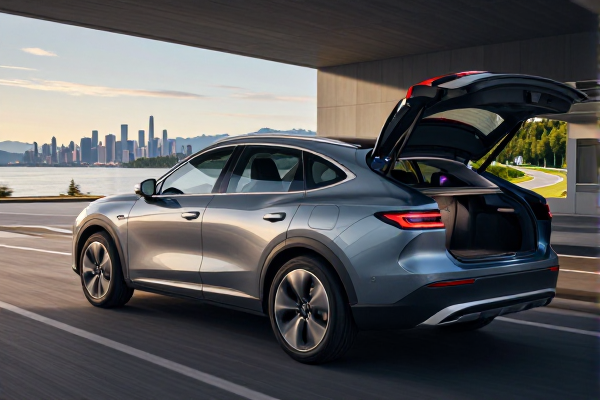
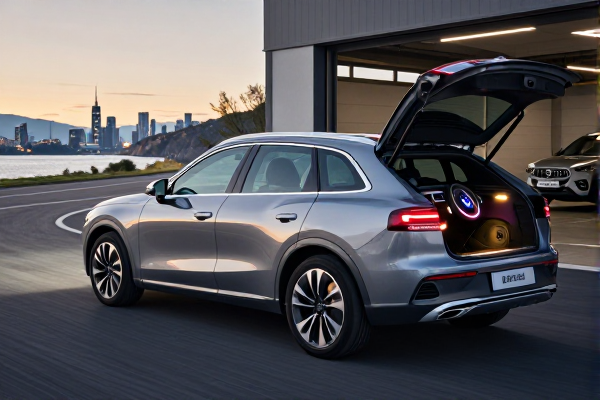
On the positive side, the CX-5’s length has grown by 4.5 inches, directly benefiting rear passengers. Legroom, knee clearance, and headroom all increase, and the cargo area is now more usable. Families will appreciate the extra space, which brings it closer to segment leaders like the Honda CR-V and Toyota RAV4.
Safety: Still the Gold Standard
Mazda continues to prioritize safety. The 2025 CX-5 recently earned a Top Safety Pick+ from the Insurance Institute for Highway Safety (IIHS), with top scores in all crashworthiness tests. Standard features include forward collision warning, automatic emergency braking, lane-keeping assist, and blind-spot monitoring. The suite of driver aids works seamlessly, and the adaptive cruise control is among the smoothest in the compact SUV class.
This safety record is a strong selling point, especially for families. The larger body also improves crash energy absorption, though the IIHS hasn’t yet released a full side-impact test for the new model.
Under the Hood: Adequate, Not Exciting
The 2.5-liter four-cylinder engine carries over with 187 horsepower and 186 lb-ft of torque. It’s paired with a six-speed automatic transmission. Acceleration is adequate for daily driving, but the engine feels strained during highway merging. Fuel economy is decent: an EPA-estimated 26 mpg combined for front-wheel drive, 24 mpg for all-wheel drive. That’s slightly behind the Honda CR-V’s turbocharged variant but in line with the Toyota RAV4.
The chassis remains the CX-5’s strong suit. Steering is precise, body roll is well-controlled, and the ride strikes a balance between comfort and agility. If you value driving dynamics, the CX-5 is still the most fun compact SUV, even with the firm seats.
The Competition: A Different Approach
The Honda CR-V offers a more user-friendly infotainment system with a physical volume knob and dedicated climate controls. The Toyota RAV4 keeps a substantial number of buttons. The Hyundai Tucson also has a large screen but retains a separate HVAC panel. Mazda is betting that voice control and Google integration will win over buyers