Browse

Log in / Register
 Share


The Honda Elevate has been a strong contender in the mid-size SUV space, and one of its most frequently highlighted styling cues is the rear lighting cluster. On April 26, 2026, fresh attention is being placed on the tail light and tail lamp imagery released by Honda, giving buyers and automotive enthusiasts a closer look at how the SUV signs off from behind.
The official image library for the Honda Elevate consists of 111 photographs covering both interior and exterior angles. This visual lineup is designed to help customers understand the SUV’s proportions, cabin layout, and design language before they even step into a showroom. Among those images, the rear lamp treatment stands out as a defining detail that blends safety, modern lighting technology, and visual identity in one compact unit.
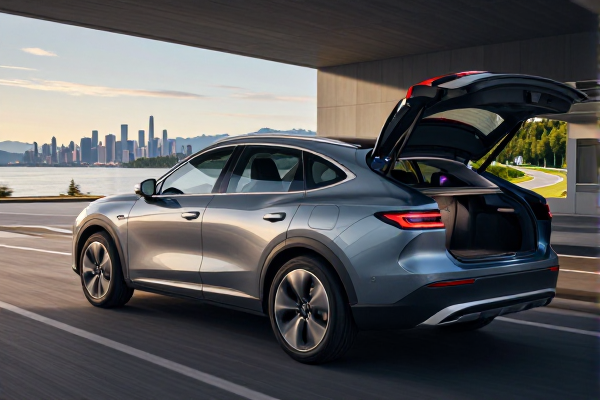
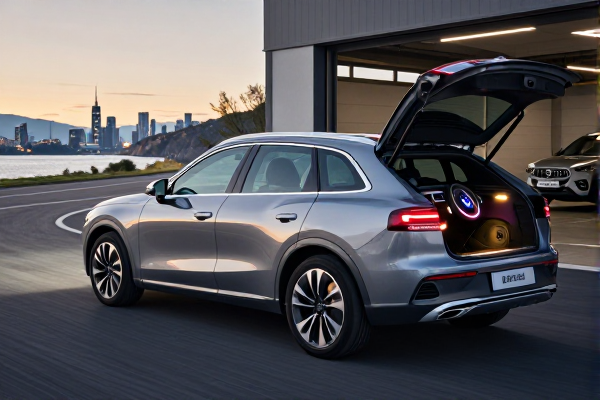
The highlighted image zeroes in on the tail light/tail lamp section of the Elevate. Like many contemporary SUVs, the Elevate’s rear lamp cluster is not only a functional component; it also carries the brand’s design philosophy. The unit is sculpted to complement the SUV’s overall stance, with clean lines that visually connect the rear side panel, the tailgate, and the bumper.
Using a layered layout, the tail lamp housing integrates several lighting functions into a cohesive unit. The brake lamp, turn indicator, and reflector are arranged to provide clear signals without breaking the overall visual flow. This kind of careful packaging is important for rear-end aesthetics, especially in a segment where buyers often compare road presence before making a decision.
From an engineering perspective, the tail light design also plays a key role in visibility. Proper light distribution ensures that following drivers can quickly recognize when the Elevate is braking or changing direction, which directly impacts safety in stop-and-go traffic and on highways.
Honda’s decision to publish 111 images of the Elevate gives fans and potential buyers a comprehensive virtual tour. The gallery is divided into multiple categories, focusing on both the interior and the exterior. This extensive collection allows a prospective owner to examine stitching patterns, dashboard layout, infotainment screen placement, wheel design, and of course, the lighting elements from several angles.
What makes the tail lamp shots particularly valuable is that they show how the light signature appears in isolation and in context. Close-ups emphasize the internal geometry and the LED arrangement, while wider shots show how the rear cluster interacts with the Elevate’s chrome accents and body contours.
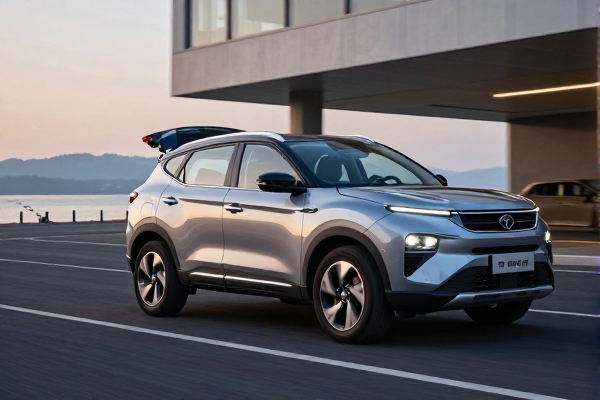
For automotive journalists, such imagery makes it easier to analyze styling consistency. For example, the tail lamp shape is not drawn from a random design sketch; it echoes the angular theme used in the front LED daytime running lights, creating a visual conversation between the front and rear of the vehicle.
Another critical detail in the Elevate’s specification sheet is its exterior color range. Honda offers the Elevate in ten different colors, covering a spectrum from elegant light shades to deeper metallic tones. This wide palette matters more than most buyers initially realize, because the same tail lamp design can read very differently depending on the body color around it.
On lighter shades, the tail lamp cluster appears as a sharp, graphic element that stands out cleanly. On darker finishes, the lamp merges more deeply with the body work, giving the rear end a more integrated and stealthy look. For customers who care about customization, this means the choice of color can enhance or tone down the visual boldness of the rear light design.
In the official gallery, the color variations are shown under various lighting conditions, which helps illustrate how the tail lamp reflects ambient light and how its internal glow works during the day. While studio shots are useful, the inclusion of outdoor photography gives a more realistic sense of what owners can expect on the road.
The Honda Elevate competes in one of the most crowded automotive segments, where differentiation is hard to achieve. Here, the tail lamp becomes a low-cost but highly effective branding tool. Many modern cars use distinctive rear light graphics as a signature element — think of LED full-width strips or complex internal light guides. While the Elevate does not go overboard with novelty, its tail lamp is still clearly designed to be recognizable from a distance.
This matters in markets where traffic density is high and drivers frequently encounter vehicles from behind. A unique tail lamp shape can help a vehicle stand out, but it must also be instantly understood as a braking or signaling instrument. The Elevate achieves this balance with a design that is neither generic nor overly aggressive.
From a resale perspective, tail lamps that are durable and easy to inspect can also be a plus. Buyers in the used car market often check for moisture buildup, cracks, or dim LEDs. The Elevate’s lamp design uses a sealed structure that, in normal use, helps prevent dust and water ingress. While no component is fully immune to wear over time, the overall build quality of the tail lamp assembly is reassuring.
The official close-up image of the Elevate tail lamp reveals attention to fit and finish. The panel gaps around the lamp are tight, and the lens appears evenly tinted. These may sound like small details, but they matter in a segment where cabin noise, panel alignment, and perceived quality all influence purchase decisions.
The lamp casing is designed to align seamlessly with the tailgate and rear fender. Such a flush fit reduces wind noise at highway speeds and also simplifies cleaning, as there are fewer ledges for dust to collect. For everyday drivers, that is a minor convenience. For the design team, it is an exercise in precision manufacturing.
Also noteworthy is the subtle use of chrome or metallic detailing near the lamp. Without overwhelming the design, this accent adds a layer of premium appeal when the vehicle is viewed from behind, especially during evening hours when the lights are switched on.
The addition of 111 high-quality images is more than vanity. In the current automotive retail environment, many buyers complete their initial research online. They want to see the car from every possible angle before booking a test drive. Honda’s comprehensive gallery fills that need, especially for those who cannot visit a dealership in person.
The tail lamp images, in particular, answer practical questions. Can the rear light cluster be seen clearly in bright sunlight? How does the brake light look when illuminated? Is there any visible discoloration in the lens? These are the kind of questions that detailed photos can address, and the Elevate gallery appears to include enough close-up and contextual shots to satisfy those viewers.
For journalists and content creators, the image set also provides high-resolution assets for reviews, comparison videos, and articles. This helps spread awareness about the model without requiring the manufacturer to rely solely on press events.
Although Honda does not publish extensive technical documentation for the tail lamp, the visible LED elements in the image suggest a modern lighting setup. LEDs have become standard in this segment because they offer a faster illumination response time than traditional bulbs. This means the brake light reaches full brightness sooner, giving the driver behind a few extra milliseconds of reaction time.
LEDs also consume less power and have a longer service life. For an SUV that may be kept for many years, a properly designed LED tail lamp reduces the frequency of lens replacement and bulb changes. Owners will appreciate not having to worry about one of the most commonly replaced components on older vehicles.
That said, the Elevate does not rely entirely on cutting-edge complexity. The lamp unit is designed with serviceability in mind — if a single module fails, it can be inspected without disassembling the entire rear panel. This approach keeps ownership costs predictable, which is a major factor for buyers in this segment.
In the same price bracket, the Honda Elevate faces strong competitors that also pay great attention to rear lighting. Some use full-width LED strips, while others adopt boomerang-shaped graphics. The Elevate’s approach is a bit more restrained, but that restraint may appeal to those who prefer a timeless look over a trend-driven design.
What Honda balances well is the proportion of the lamp relative to the rear windscreen and bumper. The result is a rear view that feels planted and stable, without appearing too narrow or too bulky. This is important because the SUV’s high ground clearance and upright tailgate could easily make the rear end look boxy if the lighting elements were not positioned carefully.
Additionally, the Elevate’s tail lamp works with the rear spoiler, roof-mounted antenna, and license plate recess to create a coherent vertical hierarchy. When seen at a distance, the human eye can quickly identify the primary visual anchors. That clarity is a quality many designers strive for but is not always visible in the final product.
Lighting elements are often overlooked when new cars are announced. However, enthusiasts now study rear lamp designs just as closely as they study front grilles. This is partially due to the growth of LED technology, which allows designers to create highly distinctive light signatures that define a brand after dark. The Elevate may not have the most extravagant tail lamp in its class, but its