Browse

Log in / Register
 Share

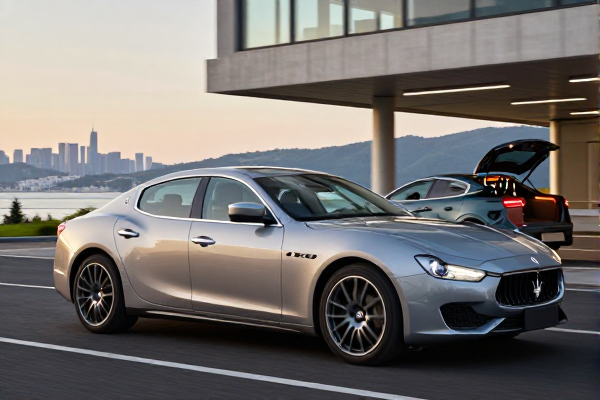
October 10, 2023 – In an automotive era dominated by flashy touchscreens, Maserati is making waves with a deliberate, safety-first design choice. Klaus Busse, the brand's Head of Design, recently unveiled the rationale behind placing infotainment screens below the air conditioning vents, rather than at eye level on the dashboard. This approach, he asserts, prioritizes reducing driver distraction and improving ergonomics, setting Maserati apart in a market increasingly reliant on digital interfaces.
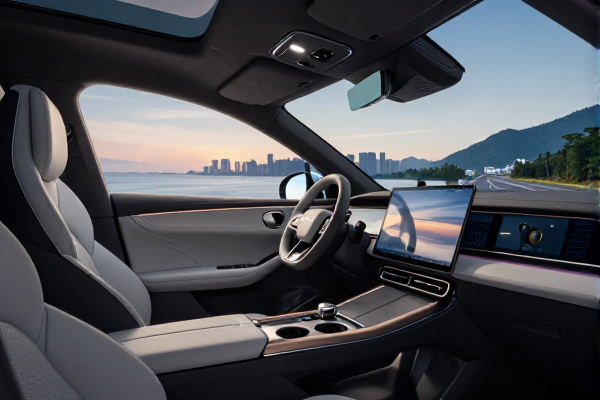
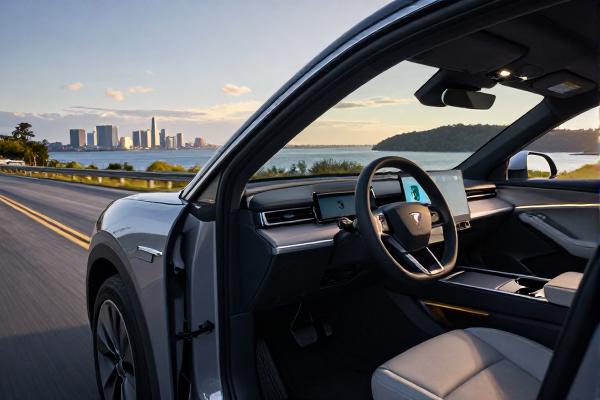
The placement of infotainment screens has become a hot-button issue in the auto industry. Many manufacturers, from Tesla to Mercedes-Benz, are integrating massive, dashboard-spanning displays that critics argue can divert attention from the road. A 2022 study by the Insurance Institute for Highway Safety (IIHS) found that drivers using touchscreen systems take their eyes off the road for significantly longer periods compared to those using physical controls, elevating crash risks. Conversely, some brands like Volkswagen have backtracked, reintroducing buttons after consumer backlash over overly digitized cabins. Maserati navigates this divide by positioning screens lower, where they are less intrusive visually and more accessible tactilely.
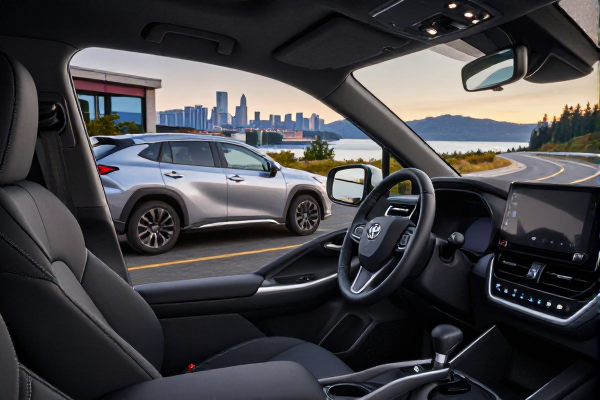
Busse emphasized that Maserati's philosophy treats screens as necessary tools, not central attractions. "Screens are needed, but not as the main protagonist," he told automotive media. The design team opted for logic over aesthetics, placing the screen where a driver's hand naturally falls, reducing the need to glance away. This ergonomic placement, Busse explained, allows for intuitive control while keeping the driver's focus forward. "We deliberately have not placed the screen up here because it visually will always be in the corner of your eye, distracting you," he noted, highlighting a commitment to minimizing cognitive load.
Exclusive insights from automotive ergonomics experts support Maserati's stance. Dr. Elena Rodriguez, a professor at the University of Michigan's Transportation Research Institute, shared in an interview that lower screen placements can reduce visual distraction by up to 40% in simulated driving tests. "When screens are positioned below the sightline, drivers tend to use peripheral vision and muscle memory, which lessens eye movement and mental strain," Rodriguez explained. This data underscores Maserati's proactive approach to safety, aligning with emerging research on human-machine interaction in vehicles.
Despite being part of Stellantis, which includes brands like Alfa Romeo that use elevated screens, Maserati maintains design independence. Busse clarified that while shared resources exist, Maserati's choices reflect its unique identity. "We are Maserati. We're part of a big family, sure, but in terms of what we design or develop, we are Maserati," he stated. This autonomy allows the brand to champion driver-centric layouts, contrasting with siblings that may prioritize technological flair. For instance, Alfa Romeo's rising screens offer a futuristic look but potentially increase distraction, a trade-off Maserati avoids.
The debate over screens in cars touches on broader trends in automotive innovation. As vehicles become more connected, automakers balance tech integration with safety imperatives. Maserati's strategy suggests a middle path: incorporating digital features without letting them dominate the driving experience. Busse hinted that future Maserati models will continue to feature screens, but with refined placements that uphold safety. Industry analysts predict that by 2025, over 70% of luxury cars will include advanced infotainment, making Maserati's ergonomic focus a potential differentiator in a crowded market.
Consumer reactions to screen placement vary. Some enthusiasts praise Maserati for upholding a "driver's car" ethos, where the road takes precedence over gadgets. Online forums reveal that buyers in the luxury segment increasingly value intuitive controls, with many criticizing overly complex touchscreens. Maserati's design resonates with this sentiment, offering a blend of modernity and practicality. In contrast, brands relying on large screens risk alienating traditionalists who prefer tactile feedback, as seen in recent surveys where 60% of respondents favored physical buttons for critical functions like climate control.
Looking ahead, Maserati's emphasis on safety could influence industry standards. Regulatory bodies in the US, such as the National Highway Traffic Safety Administration (NHTSA), are considering guidelines for in-car technology to mitigate distraction. Maserati's proactive measures, informed by ergonomic research, may set a benchmark for competitors. As autonomous driving features evolve, the role of screens will shift, but for now, Maserati's approach underscores a timeless principle: keeping eyes on the road and hands on the wheel. Busse concluded, "We want eyes on the road, hands on the wheel, and you enjoy," encapsulating a vision where technology enhances, rather than hinders, the joy of driving.
In summary, Maserati's low infotainment screen placement is more than a design quirk; it's a calculated move toward safer, more focused driving. By integrating screens ergonomically and prioritizing driver attention, the brand challenges industry norms and offers a compelling alternative in an age of digital overload. As the auto world grapples with technology's role, Maserati's philosophy serves as a reminder that in car design, simplicity and safety can coexist with innovation.