Browse

Log in / Register
 Share

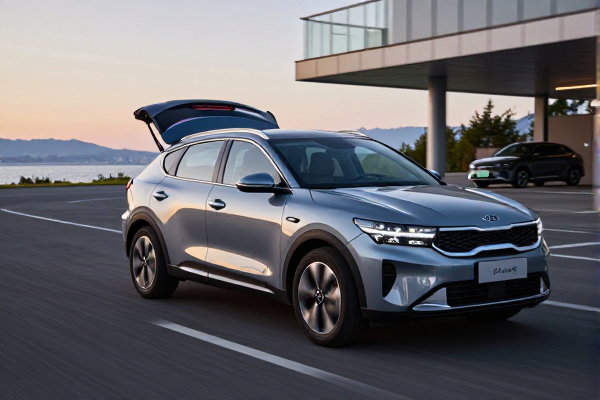
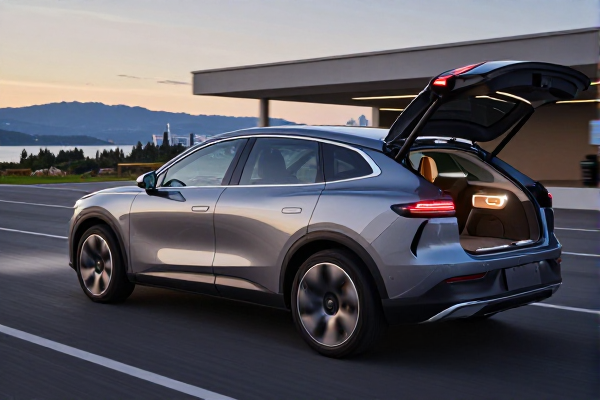
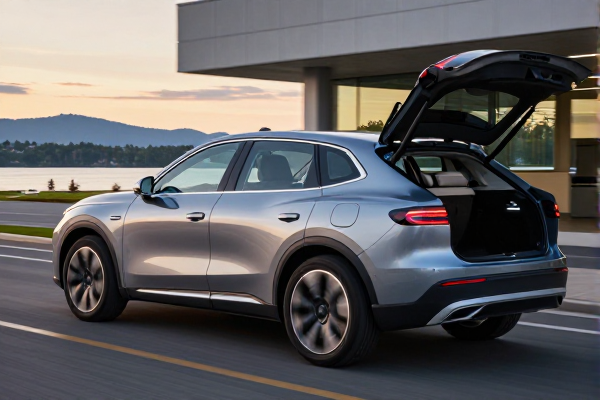
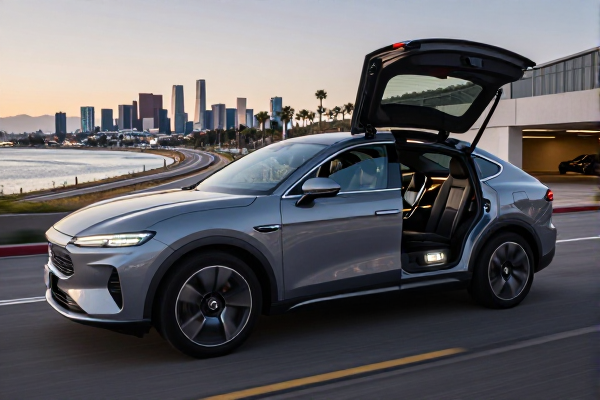
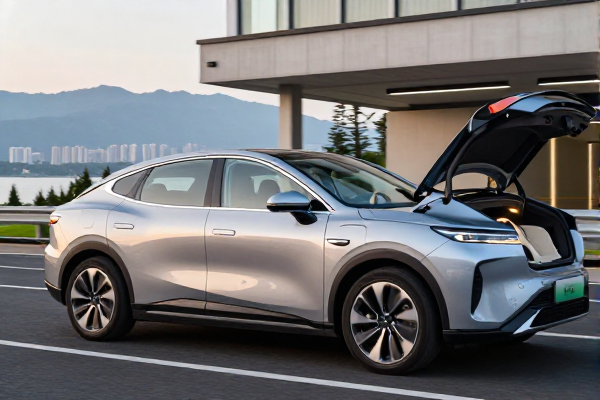
The automotive landscape welcomes a new contender as Kia expands its electric vehicle lineup with the Syros EV. Positioned as a mainstream electric SUV, this model is set to bring competitive range and technology to a growing segment, aiming to attract buyers looking for a practical and feature-rich EV. Here’s a comprehensive look at what the Syros EV offers. April 20, 2025
A Closer Look at Powertrain and Performance Central to the Syros EV's appeal are its two lithium-ion battery pack options. Buyers can choose between a 42 kWh unit or a larger 51.4 kWh Extended Range pack. These batteries are paired with a front-mounted electric motor, but power output differs: the standard battery delivers 135 horsepower, while the Extended Range variant boosts that figure to 171 hp. All models produce a consistent 255 Nm of torque, ensuring strong initial acceleration.
The choice of battery directly impacts driving range. Models equipped with the 42 kWh battery achieve a certified range of 443 kilometers. Opting for the 51.4 kWh Extended Range pack increases that figure to an impressive 526 kilometers on a full charge, placing it among the leaders in its class for efficiency. Performance also sees a benefit, with the larger-battery variants capable of accelerating from 0 to 100 km/h in 8.1 seconds.
Charging Flexibility and Speed For charging, the Syros EV is equipped for both daily convenience and road-trip readiness. It supports DC fast charging at rates up to 100 kW. Using a fast charger, all variants can replenish the battery from 10% to 80% in approximately 39 minutes. For home or slower public charging, an 11 kW AC charger is supported. With this method, the 42 kWh battery takes about 4 hours for a 10-80% charge, while the 51.4 kWh battery requires roughly 4 hours and 50 minutes.
Variant Strategy and Standard Equipment Kia is offering the Syros EV in a total of seven variants, strategically paired with the battery options. The base HTK variant is available only with the 42 kWh battery. The HTK+ and HTX trims offer a choice between both battery packs, while the top-tier HTX+ and X-Line variants come exclusively with the larger 51.4 kWh Extended Range battery.
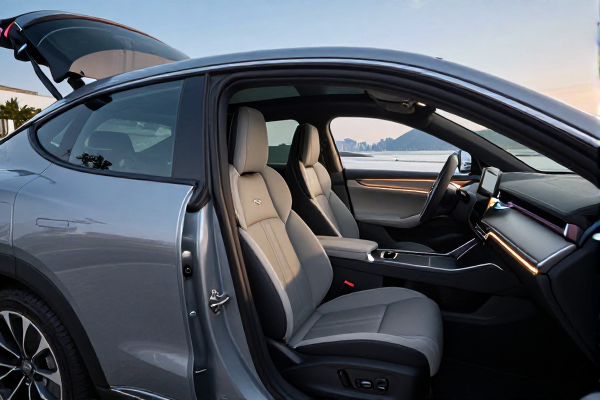
Even the entry-level HTK variant is generously equipped. Standard exterior features include full LED lighting for headlamps, daytime running lights, and tail lamps. Inside, drivers are greeted by a modern cabin centered around dual 12.3-inch screens for the instrument cluster and infotainment system, which includes wireless Android Auto and Apple CarPlay. Other notable standard features across the board include paddle shifters (for regenerative braking control), a shift-by-wire gear selector, an electric parking brake with auto hold, and multiple USB Type-C ports.
Safety as a Standard Foundation Kia emphasizes safety, making 25 key safety features standard across the entire Syros EV range. This comprehensive suite includes six airbags, Electronic Stability Control (ESC), Hill-Start Assist Control, a Tyre Pressure Monitoring System, rear parking sensors, and a virtual engine sound system for pedestrian alert.
Stepping Through the Variant Upgrades As buyers move up the trim ladder, the feature set expands substantially:
Market Context and Positioning Industry analysts note that the Syros EV's variant strategy and feature segmentation are directly aimed at capturing a wide swath of the compact electric SUV market. By offering a compelling base model and loading top trims with premium tech and safety, Kia is positioning the Syros EV as a viable alternative to established players. Its claimed range figures, if validated by independent EPA testing in the U.S., could address a primary consumer concern regarding electric vehicles. The inclusion of a high-power DC fast charging capability further strengthens its credentials for longer journeys, a key consideration for American drivers.