Browse

Log in / Register
 Share


Published: May 10, 2026
A driver who traded a Nissan Altima for a Kia EV6 is telling EV holdouts exactly why the switch is hard to reverse. In a post shared to an EV owner community, the driver wrote a one-line summary: “Why would I ever go back?” The timing gives the story more weight: the 2026 Kia EV6 is rolling out with a larger battery, and Nissan has retired the Altima from the US market after the 2025 model year.
The Altima’s 2.5-liter four-cylinder paired with a CVT was never a sports car setup. It was built for smooth, efficient commuting. The EV6 feels different on the first drive because an electric motor delivers full torque almost immediately. There is no downshift, no waiting for the engine to build revs. The driver said the response makes merging and stop-and-go traffic easier, not just quicker. It is the kind of advantage that shows up every time the light turns green.
The fuel math is one of the first things buyers notice. A real-world Altima at around 32 mpg and $3.20-a-gallon fuel works out to about 10 cents per mile. The EV6, charging at home at roughly 14 cents per kWh and covering about 3.3 miles per kWh, works out to about 4 cents per mile. Local electricity and gas prices change the result, but in most of the US the EV6 cuts the per-mile energy cost in half or more.
That assumes the owner has a place to plug in. Home charging turns the EV into a car that starts every day with a full battery. A Level 2 wallbox is the best upgrade for people who drive more than 40–50 miles a day. Installation adds a one-time cost of several hundred to more than $1,000, depending on the existing electrical setup.
The EV6 removes oil changes, transmission service and exhaust repairs. Maintenance still exists: tire rotations, wiper blades, brake fluid and cabin air filters are all still part of ownership. But the routine is lighter. Regenerative braking also reduces wear on the brake pads.
The trade-off is tire wear. An EV carries a heavy battery and produces strong torque, so tires tend to wear faster than they did on a lighter Altima. Buyers should budget for that.
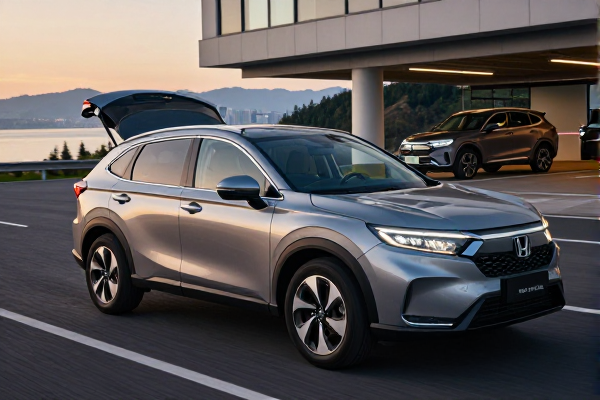
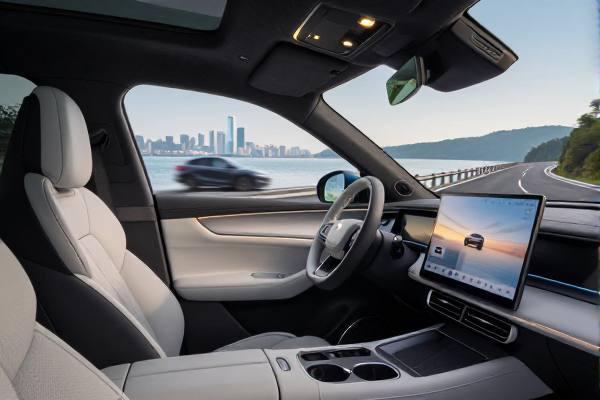
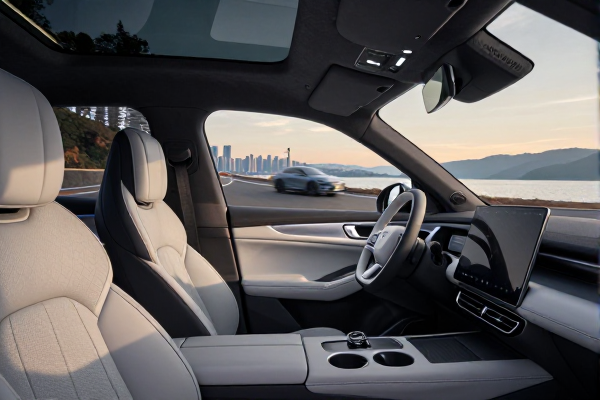
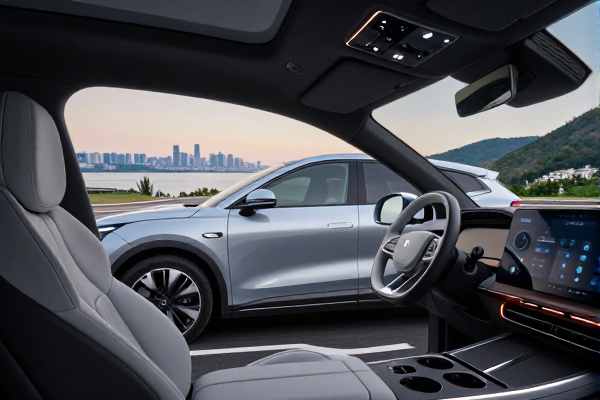
Inside, the EV6 steps ahead of the last Altima generation. Dual displays, wireless Apple CarPlay and Android Auto, ventilated seats and a heads-up display are all available on higher trims. The cabin is noticeably quieter on the highway because there is no combustion engine running under the dash.
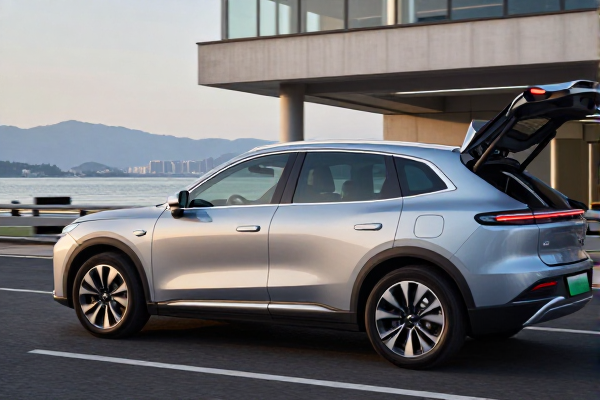
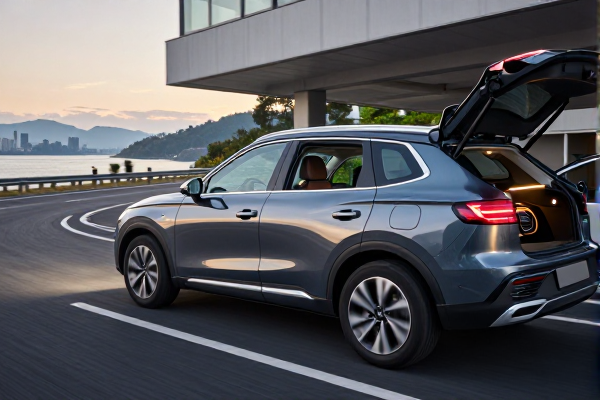
The body style also adds utility. The hatchback layout and folding rear seats give the EV6 more cargo flexibility than a conventional trunk, which is one reason former sedan owners adapt quickly.
The EV6 has another practical trick: vehicle-to-load power. With the optional adapter, the car can run small appliances, power a campsite or provide basic backup power during an outage. A gasoline Altima could never do that, and it is the kind of feature that makes an EV feel like a more versatile household tool.
Public DC fast charging is not gas-station convenience. A 10–80 percent charge usually takes roughly 20–30 minutes. Charging sites are less common than fuel pumps in rural areas, and cold weather can reduce range and slow charging.
The 2026 refresh helped with range confidence, with some EV6 configurations rated near or above 300 miles. Even so, anyone moving from an Altima should map their longest regular trip before buying. If the route has reliable chargers and the owner can plan around meal stops, the EV6 works. If not, a gas sedan still has an edge.
For most ex-Altima commuters, the rear-wheel-drive EV6 trims are the sweet spot. They carry the lowest base prices and the best range estimates. All-wheel drive adds all-weather grip but costs more and uses more energy.
Kia’s battery warranty also helps with the trust issue. The EV6 comes with one of the longer battery coverage plans in the mainstream EV class, which removes some of the uncertainty for someone used to a simple gas car.
There is no way around the purchase price. The final Altima models started around $26,000, while the 2026 EV6 starts in the low-to-mid $40,000s. Incentives, state rebates and lower running costs can narrow the gap.
A driver logging 15,000 miles a year and charging at home can save $700 to $1,000 a year on fuel compared with an Altima. That helps over a five-year ownership period, but it does not erase the sticker difference. Buyers need to run their own numbers rather than assume every EV is automatically cheaper.
Nissan has now ended Altima production in the US. For years, the Altima was one of the default answers to “what should I buy for a family?” That role is shifting to compact crossovers, and electric options like the EV6 are filling it.
The driver’s “Why would I ever go back?” matches a broader pattern. Research from UC Davis has consistently found that about 90 percent of EV owners choose electric again for their next vehicle. Once the daily-driving experience gets familiar, the gas version starts to feel dated.
The Altima-to-EV6 swap is not a perfect fit for everyone. Renters without home charging, long-distance drivers in rural areas and budget-sensitive buyers may be better off staying with a gas sedan.
But for someone who can charge at home, the EV6 replaces the Altima’s strengths—commuting comfort, room for people and cargo, low running costs—and adds better response, quieter driving and newer technology. After that daily experience, the idea of going back feels obsolete.