Browse

Log in / Register
 Share


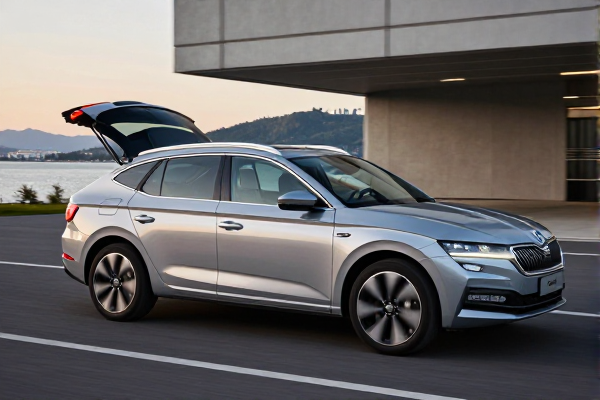
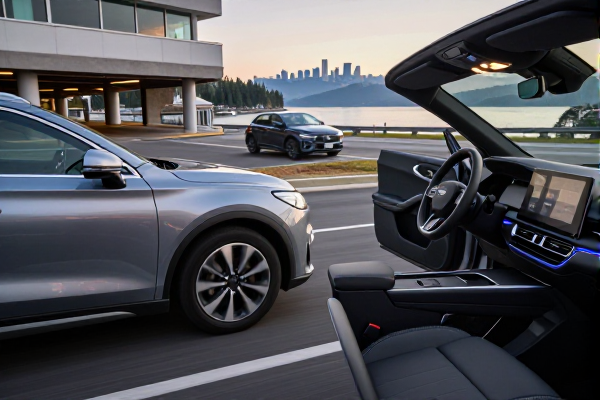
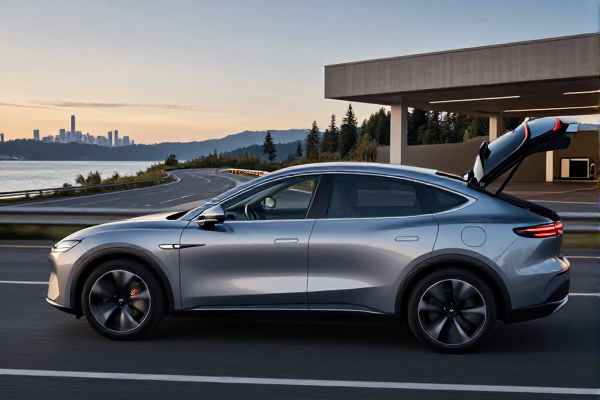
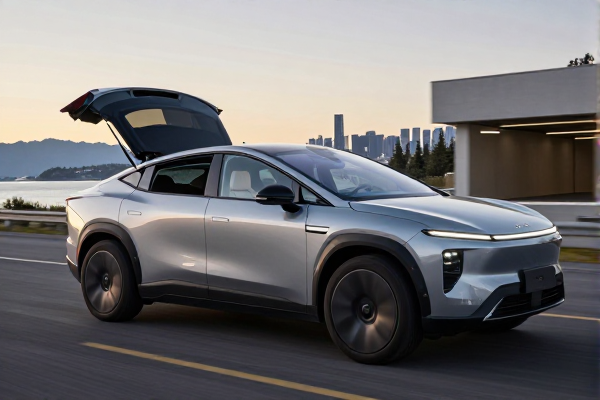
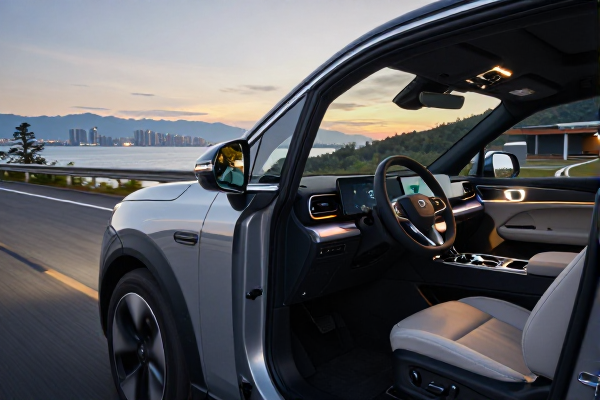
In April 2025, Tamil Nadu Chief Minister C. Joseph Vijay announced that the state government would provide official vehicles to all 234 Members of the Legislative Assembly (MLAs). The decision was meant to curb corruption, but it sparked a furious debate that dominated the state assembly floor, social media, and national news. Opponents called it a wasteful drain on public funds; supporters argued it’s a standard job perk that could reduce graft. The controversy raises a fundamental question: at what cost do we expect our elected representatives to travel, and how do we compare that to perks enjoyed by politicians in the United States?
The announcement came as part of Vijay’s broader promise of “change” in governance under his party, the Tamil Manila Congress (TVC). He argued that providing cars would reduce the temptation for MLAs to seek bribes or misuse travel allowances. “It’s better to give them a car directly than to let them create a system of kickbacks,” he said. The opposition, however, seized on the optics: many MLAs already own multiple luxury cars, and the scheme would cost the state an estimated 200 crore rupees (approximately $24 million USD) over the next five years.
Why the Uproar? The American Context
To understand the intensity, it helps to look at how U.S. state legislators are compensated for travel. Most state lawmakers in the U.S. do not receive a free personal car. Instead, they receive a mileage reimbursement for official travel (often around 50 cents per mile), plus a per diem for lodging and meals. A few states, like California and New York, provide state-owned vehicles for high-ranking officers (speakers, majority leaders), but not for rank-and-file members. The idea of giving every state representative a sedan feels like a throwback to an era of lavish patronage.
Yet in India, the practice is not uncommon. Ministers, bureaucrats, and even local body chiefs already have official vehicles. Prime Minister Narendra Modi travels in a custom bulletproof SUV, and cabinet ministers have bungalows, cars, and staff. The question is: why should MLAs be singled out for criticism? The hypocrisy is evident: the same people who cheer for a luxury car for a federal minister often decry a modest sedan for a local legislator.
The Real Cost of Democracy
The critics’ main argument is that democracy is already expensive, and adding car perks only worsens the fiscal burden. But a look at the numbers shows that the cost of providing cars (about $24 million over five years) is a tiny fraction of the state’s annual budget (over $60 billion). For comparison, the U.S. federal government spends over $1 billion annually on executive transportation alone, including the presidential motorcade, Air Force One, and fleet vehicles for cabinet members. At the state level, California’s fleet of vehicles for state employees costs over $100 million per year.
The debate also misses the practical reality: many Indian MLAs represent rural constituencies where public transport is unreliable. Owning a car is a necessity for reaching remote villages, not a luxury. In the U.S., rural legislators often rely on personal vehicles and claim mileage—a system that can be abused as well. A 2023 audit of the Texas legislature found that some lawmakers claimed mileage for trips that were never taken, costing the state millions.
The Anti-Corruption Argument
Vijay’s logic—that a free car can reduce corruption—is not as far-fetched as it sounds. In many developing countries, legislators who lack official transport often resort to leveraging their influence to get free rides, fuel, or even vehicles from contractors. This creates a system of favors that erodes governance. By providing a standardized car, the state removes one avenue for graft. It also ensures that MLAs can travel without depending on private donors or shadowy middlemen.
However, the scheme’s biggest flaw is the lack of a clear opt-out or usage policy. Some MLAs announced they would not take the car (like those from the DMK and communist parties), citing the moral high ground. But if the system is truly anti-corruption, then those who opt out are essentially subsidizing the corruption of those who stay in. A better approach, as seen in some U.S. states, would be to give MLAs a flat travel allowance that they can spend on their own—or to provide a government-owned pool car that can be booked for official trips, rather than a personal vehicle.
The Bigger Picture: Populism vs. Pragmatism
Ultimately, the car controversy is a symptom of a deeper tension in Indian politics: the clash between populist giveaways and fiscal responsibility. The same voters who demand free water, electricity, and food grains also expect their representatives to live modestly. But the reality is that democracy is a paid profession—and it should be compensated well enough to attract honest talent, not just the wealthy.
In the U.S., state legislators are often part-time employees with modest salaries (e.g., New Hampshire legislators earn just $100 per year, while California’s make over $110,000). The debate over car perks in India mirrors the American debate over congressional pensions, health care, and travel budgets. The core question is the same: what level of amenity is necessary for effective representation, and what crosses into entitlement?
What Comes Next?
The Tamil Nadu government is expected to finalize the car scheme in the coming weeks, likely with a list of eligible MLAs and a standard model (likely a mid-range sedan