Browse

Log in / Register
 Share

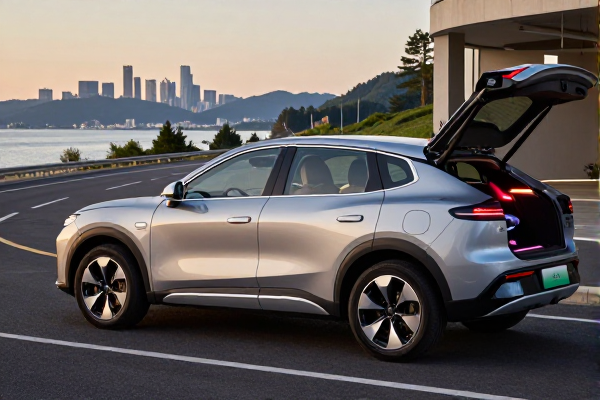
On March 18, 2025, India officially surpassed its ethanol blending target of 20% in petrol, months ahead of the original 2025-26 timeline. This achievement has quietly unlocked a parallel clean-fuel revolution: the rollout of flex-fuel vehicles (FFVs) and direct retail sales of E85 (85% ethanol blend) across the country. While global attention remains fixated on electric vehicles, India’s rapid ethanol scale-up is creating a practical, immediate alternative for decarbonizing the transport sector.
India’s ethanol blending journey began modestly at under 1.5% in 2013-14, driven by surplus sugar production and government incentives. The National Biofuel Policy set ambitious targets, and aggressive blending mandates, combined with higher ethanol procurement prices, pushed the fuel mix to 10% by 2022 and 20% by early 2025. The Petroleum Ministry confirmed that 20% blending was achieved in over 90% of districts, with average national blending reaching 20.3% in February 2025. This success is built on a tripling of ethanol production capacity to over 15 billion liters per year, sourced from sugarcane, damaged grains, and maize.
The real game-changer comes from the concurrent push for flex-fuel vehicles. In June 2024, India’s Ministry of Road Transport and Highways notified the Bharat Stage VI (BS-VI) flex-fuel standards, allowing automakers to produce vehicles that can run on any blend from E0 to E85. Since then, major manufacturers have launched FFV models. In January 2025, Toyota Kirloskar Motor introduced a flex-fuel version of its popular Innova Hycross, capable of operating on E85 with a modified engine and corrosion-resistant fuel system. Mahindra & Mahindra followed in February with a flex-fuel Scorpio N, targeting rural and semi-urban markets where ethanol availability is growing. The Society of Indian Automobile Manufacturers (SIAM) reported that FFV registrations surged 340% in the first quarter of 2025 compared to the same period last year, with over 120,000 units sold.
Simultaneously, state-owned oil marketing companies have expanded E85 retail infrastructure. Indian Oil Corporation (IOC) announced that 500 of its pumps across 12 states now offer E85, with a target of 2,000 pumps by year-end. The price of E85 is currently set at 30% lower than regular petrol on a per-liter basis, after accounting for lower energy density. This price advantage, combined with government tax incentives, makes FFVs an attractive option for fleet operators and price-sensitive consumers.
But scrutiny is not suspicion. Some experts question whether the ethanol push distracts from the long-term goal of electrification and whether high ethanol blends can sustain without distorting food prices. The International Energy Agency (IEA), in its 2025 India Energy Outlook, noted that while ethanol blending reduces oil import dependence and tailpipe emissions, it must be paired with sustainable feedstock sourcing to avoid competition with food and water resources. India’s government has responded by capping sugarcane-based ethanol at 50% of total production and promoting second-generation (2G) ethanol from agricultural waste. The first 2G ethanol plant in Panipat, Haryana, began commercial operations in December 2024, producing 100,000 liters per day.
For the United States, India’s progress offers both a benchmark and a cautionary tale. The US remains the world’s largest ethanol producer, with 15 billion gallons per year, but its flex-fuel vehicle market has stagnated. FFVs account for less than 5% of new car sales, and E85 infrastructure is concentrated in the Midwest. India’s model of mandated blending