Browse

Log in / Register
 Share

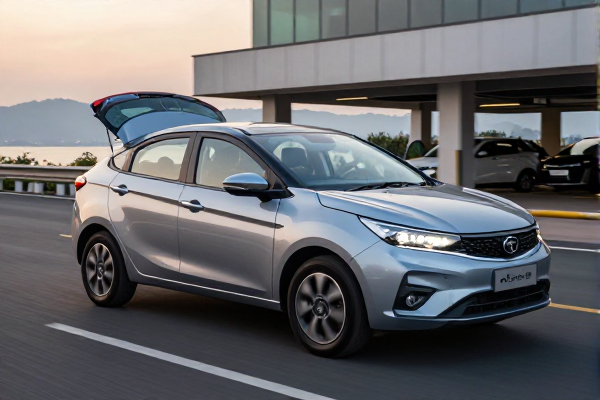
Hyundai’s 2026 Bayon compact SUV is now on sale in India, and its Rs 10 lakh entry price puts it in an interesting spot. That same budget can also buy the fully loaded i20 Asta (O) hatchback. As of May 7, 2026, these two Hyundais target overlapping buyers in very different body styles. This breakdown compares price, dimensions, features, and powertrains so you can decide whether a taller SUV body or a feature-packed hatchback is the smarter buy. Keep in mind that neither model is sold in the U.S. today, but the comparison is still useful for anyone tracking Hyundai’s global lineup.
Let’s get the pricing out of the way first. The Bayon HX2 starts at Rs 10 lakh ex-showroom in India. The i20’s top trim, Asta (O), is priced between Rs 9.25 lakh for the manual and Rs 10.44 lakh for the CVT automatic.
| Model | Hyundai Bayon HX2 | Hyundai i20 Asta (O) | | Price (ex-showroom) | Rs 10 lakh | Rs 9.25 lakh (MT) / Rs 10.44 lakh (CVT) |
So the Bayon undercuts the automatic i20 by Rs 44,000, while the manual i20 undercuts the Bayon by Rs 75,000. That means the decision isn’t just about budget. It’s about whether you value an automatic gearbox and convenience features more than a larger SUV body and a stronger engine.
The Bayon is bigger in every direction. It measures 4,245 mm long, 1,810 mm wide, 1,570 mm tall, and rides on a 2,600 mm wheelbase. The i20, by comparison, is 3,995 mm long, 1,775 mm wide, 1,505 mm tall, with a 2,580 mm wheelbase.
| Model | Hyundai Bayon | Hyundai i20 | Difference | | Length | 4245 mm | 3995 mm | + 250 mm | | Width | 1810 mm | 1775 mm | + 35 mm | | Height | 1570 mm | 1505 mm | + 65 mm | | Wheelbase | 2600 mm | 2580 mm | + 20 mm |
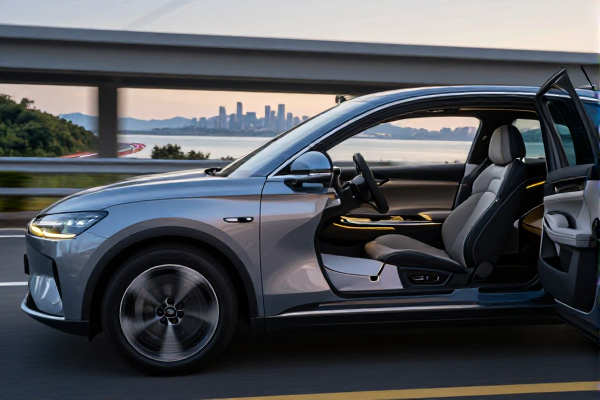
The extra length and height give the Bayon more cabin space and a more commanding seating position. It also makes the Bayon feel more like a proper compact SUV, especially in highway driving. The i20’s smaller footprint is a real advantage in dense city traffic, tight parking spots, and narrow streets. If road presence matters, the Bayon wins clearly. If you want a car that’s easy to live with in urban areas, the i20 is the easier package.
Colour options are more limited on the base Bayon. The Bayon HX2 is offered in Titanium Black, Classy Blue, and Atlas White, with a black roof available on the white shade. The i20 Asta (O) offers five colours, including Atlas White, Titan Grey, Titan Grey Matte, Fiery Red, and Starry Night. The i20 also gets dual-tone treatments and a matte finish, so buyers who want a more personalised look will have more flexibility with the hatchback.
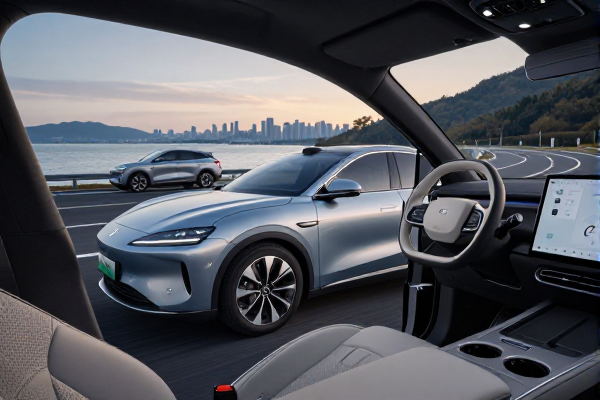
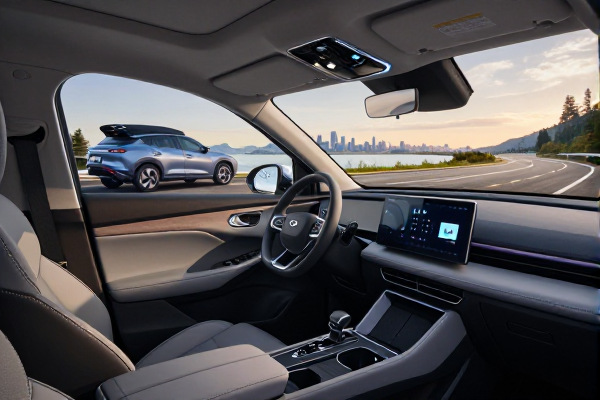
This is where the i20 pulls far ahead. The top-spec i20 comes with a 10.25-inch touchscreen, wireless Apple CarPlay and Android Auto, a seven-speaker Bose audio system, ambient lighting, a single-pane sunroof, cruise control, an auto-dimming rear-view mirror, a wireless phone charger, rain-sensing wipers, connected car technology, a rear-view camera, and a cooled glovebox. It also gets automatic climate control, keyless entry with push-button start, and leatherette seat upholstery.
The Bayon HX2, by comparison, misses out on a touchscreen, reverse camera, cruise control, keyless entry, sunroof, and most premium extras. But it still includes LED projector headlamps, LED tail lamps, 16-inch steel wheels, a height-adjustable driver seat, manual climate control, rear AC vents, six airbags, ESC, hill-hold assist, rear parking sensors, and TPMS. For a base trim, that’s a reasonable kit. It just can’t match the i20 when it comes to daily convenience and in-car entertainment.
| Key Features | Hyundai Bayon HX2 | Hyundai i20 Asta (O) | | Touchscreen | No | Yes, 10.25-inch | | Sunroof | No | Single-pane | | Audio system | 6 speakers | 7-speaker Bose | | Wireless charger | No | Yes | | Cruise control | No | Yes | | Climate control | Manual | Automatic | | Rear-view camera | No | Yes | | Keyless entry | No | Yes | | Airbags | 6 | 6 | | ESC + Hill Hold | Yes | Yes |
If you spend a lot of time inside the cabin, the i20 clearly offers the better environment. The Bayon is more about function and practicality, not premium touches.
Under the hood, the tables turn. The Bayon uses a 1.5-litre naturally aspirated petrol engine that produces 115 PS and 144 Nm. It is paired with a 6-speed manual transmission in this base trim. The i20 gets a smaller 1.2-litre naturally aspirated petrol engine with 83 PS in the manual version and 88 PS with the CVT, along with 115 Nm.
| Model | Hyundai Bayon | Hyundai i20 | | Engine | 1.5-litre NA petrol | 1.2-litre NA petrol | | Power | 115 PS | 83 PS (MT) / 88 PS (CVT) | | Torque | 144 Nm | 115 Nm | | Transmission | 6-speed MT | 5-speed MT / CVT |
The Bayon produces noticeably more power and torque, which makes it more relaxed on highway runs, especially with a full load. The i20 is not a quick car, but it offers a CVT option. That automatic is a big convenience factor for city commuters, and the smaller engine is generally easier on fuel in stop-and-go traffic. The Bayon HX2 is manual-only at this price point, so if you need an automatic, the i20 is the obvious pick.
At first glance, the Bayon versus i20 comparison may seem irrelevant to U.S. shoppers because Hyundai doesn’t sell either nameplate in North America. But it still tells a useful story about Hyundai’s global product strategy. The Bayon sits between the Venue and Creta in India, and the i20 represents the brand’s B-segment hatchback approach. In the U.S., Hyundai’s lineup skews larger, with the Venue, Kona, Tucson, and Santa Fe covering the SUV space. The i20 has no direct North American equivalent.
This comparison also matters if you follow global automotive launches, plan to buy in markets like India, or simply want to understand how Hyundai differentiates a compact SUV from a loaded hatchback at similar price points. The Bayon is essentially a taller, longer, more powerful alternative to one of Hyundai’s most feature-packed small hatchbacks.
The Bayon makes more sense if you want an SUV-like body, more space, better road presence, and a stronger engine. It is the better choice for long-distance drives and highway comfort. The trade-off is you give up most of the tech and convenience features that make modern cars easier to live with.
The i20 is the better pick if you want maximum equipment for your money. The 10.25-inch touchscreen, Bose audio, sunroof, automatic transmission, and premium cabin make it feel like a far more expensive car. It’s also easier to park and more efficient in the city. The main downside is that it’s a smaller hatchback with a smaller engine.
Both cars have six airbags and basic safety electronics, so safety isn’t the deciding factor. The real choice comes down to priorities. Need something versatile and powerful for the open road? Take the Bayon. Want a compact, feature-rich car that’s great in the city? The i20 Asta (O) is the one to pick.
All prices and specifications are based on official Hyundai India product data as of May 7, 2026.