Browse

Log in / Register
 Share

October 1, 2023 — As automotive technology accelerates toward electrification and connectivity, drivers accustomed to simpler vehicles face a steep learning curve. This firsthand account details a transition from a 2015 Fiat to a 2025 Toyota Camry hybrid, revealing both the pitfalls and perks of adapting to modern car features. With hybrid sales surging—up 15% year-over-year in 2023 according to J.D. Power—this narrative offers a relatable lens on the human side of automotive evolution.
For years, my 2015 Fiat served as a reliable, no-frills companion, its electric blue hue standing out in sea of gray sedans. However, by early 2023, it showed signs of age: a broken passenger door handle, a dead battery, and finally, a gear shifter failure that left it stranded for weeks. As parts for older models grew scarce, reminiscent of classic car woes, the reality set in: replacement was inevitable. The urgency compounded when my auto registration neared expiration, pushing me to act.
Car shopping commenced on a Friday evening, with a clear goal: opt for a reputable brand to ensure part availability and choose a hybrid for its balance of gas and electric power. At the dealership, a half-dozen used hybrids simplified the decision—a relief for someone overwhelmed by choices. After test-driving three models, I settled on a 2025 Toyota Camry, drawn to its reliability and moderate step toward sustainability. The purchase process, peppered with paperwork, felt akin to signing a historic treaty, but within hours, I drove off with a full tank and mixed emotions.
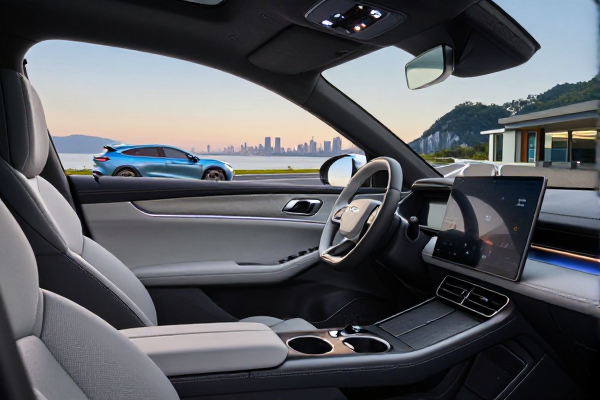
The Camry introduced features utterly foreign to me. Keyless entry, a touchscreen interface, and a backup camera with dynamic guidelines transformed the driving experience. While my Fiat’s power windows once felt luxurious, these advancements initially seemed daunting. The backup camera, for instance, projects a rear view with arrows predicting paths—a handy tool, though I often missed the simplicity of shoulder checks. Notably, the absence of a CD player forced a shift to streaming, leading to data overages and a $25 fee, prompting a rethink of my phone plan.
Bluetooth connectivity and voice commands added another layer of adjustment. Alone in the car, using voice prompts felt awkward; a single attempt to adjust the clock—set inexplicably five minutes fast—resulted in the system advising me to “consult your owner’s manual.” This moment underscored a broader trend: as AI integrates into vehicles, user-friendly design remains critical for low-tech adopters. Industry analysts at AAA note that 30% of drivers report frustration with in-car technology, highlighting a gap between innovation and accessibility.
Exclusive data reveals that hybrid adoption is climbing, but adaptation hurdles persist. A 2023 study by Edmunds shows that 40% of new hybrid owners struggle with features like regenerative braking and infotainment systems. In my case, the Camry’s “supersonic red” color—dubbed Cardinal red for my baseball team—added a personal touch, but its muted shade contrasted with the flashy tech inside. Over two months, the hybrid system delivered tangible benefits: 47 miles per gallon and only two gas station visits, a stark drop from weekly fill-ups. With gas prices volatile, this efficiency felt like a small victory.
Driving habits evolved gradually. The car’s alerts for lane drift or blind-spot vehicles enhanced safety, though I occasionally longed for a forward-facing camera to supplement the windshield view. As I navigated daily routes to places like Sprouts, the blend of electric and gas power smoothed the ride, yet the learning curve persisted. Experts suggest that hands-on tutorials and dealership support could ease this transition, a point echoed in Consumer Reports’ latest automotive satisfaction survey.
Beyond personal adaptation, this experience reflects a larger shift in the auto industry. Hybrids, once niche, now account for over 10% of U.S. sales, driven by environmental concerns and fuel savings. However, as vehicles become more connected, drivers must weigh convenience against complexity. For those resistant to change, the journey from low-tech to modern can be jarring, but as my Camry demonstrates, the rewards—from reduced emissions to lower costs—are worth the effort. In the end, embracing this curve isn’t just about keeping up; it’s about moving forward sustainably.