Browse

Log in / Register
 Share


May 25, 2024 — A new wave of funding is targeting cutting-edge technologies designed to transform how electricity is managed and distributed across the United States. From unlocking the potential of electric vehicles as mobile power sources to installing storage directly on utility poles, these innovations aim to fortify the national grid, enabling a more resilient and consumer-empowered energy future.
The core concept moving beyond simply adding more renewable generation. The modern challenge lies in intelligently managing a decentralized, variable energy supply. Technologies that allow for dynamic, two-way power flow are becoming critical. These "grid-enhancing" solutions are now receiving significant financial backing to move from pilot projects to widespread implementation, addressing bottlenecks and enhancing stability.
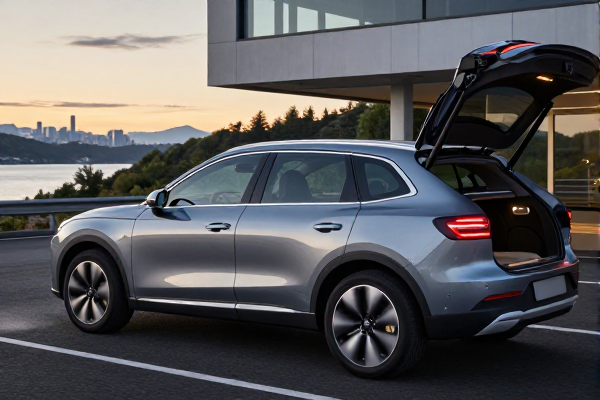
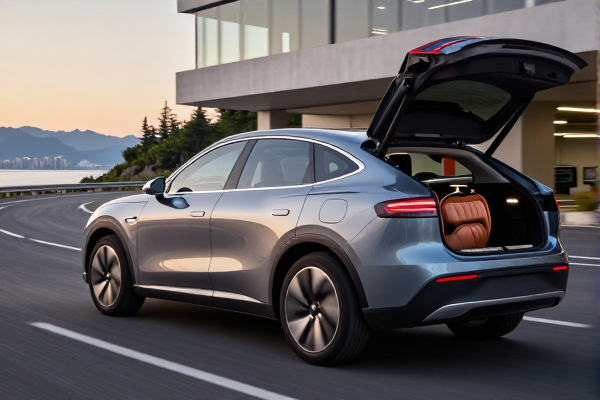
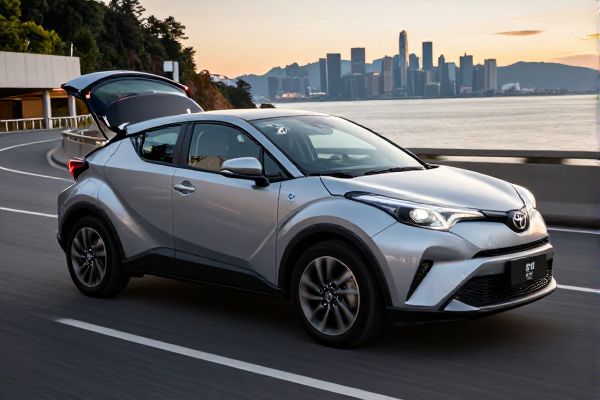
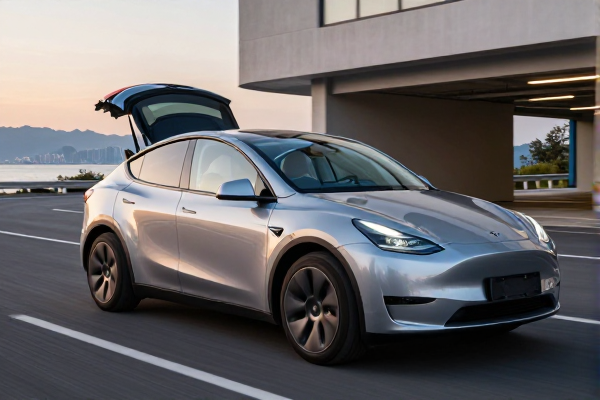
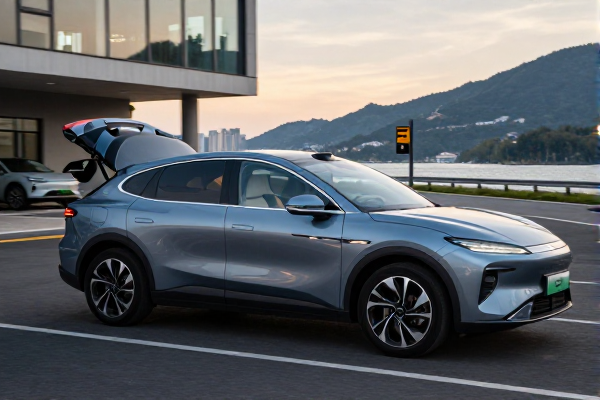
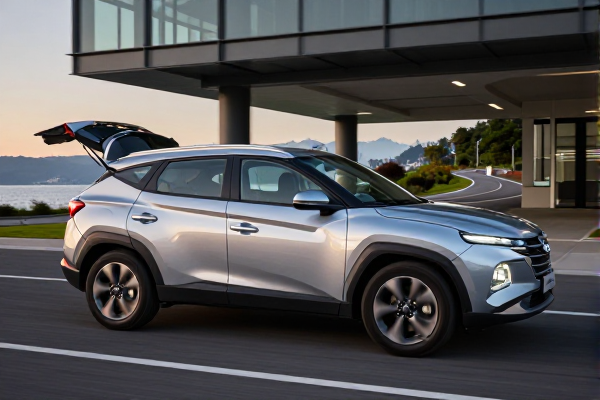
One of the most promising frontiers is Vehicle-to-Grid (V2G) integration. Millions of electric vehicles represent a massive, distributed network of batteries on wheels. V2G technology enables these EVs to not only draw power but also discharge it back to the grid during periods of high demand or low renewable output. This turns a personal asset into a communal grid resource, providing flexibility and postponing the need for costly peak-power plant construction.
Parallel innovation is happening above our streets. Companies are developing modular, safe battery storage units designed to be mounted directly on utility poles or within existing substations. This "grid-edge" storage places power reserves exactly where they are needed most on local distribution lines, mitigating congestion, smoothing voltage fluctuations, and improving reliability without the land-use challenges of large-scale battery farms.
For the millions of Americans living in multi-unit dwellings like apartments and condos, accessing solar benefits has been a persistent hurdle. Shared solar technology, which allows a single solar array to virtually allocate its output to multiple tenants, is a key equity solution. New funding is accelerating the deployment of these systems combined with behind-the-meter storage, ensuring renters and condo owners can participate in the clean energy economy.
The successful transition hinges on more than hardware; it requires a fundamental upgrade to the grid's digital and physical architecture. As noted by industry experts, the existing grid was built for one-way, centralized power flow. Integrating millions of distributed energy resources—from rooftop solar to EV batteries—demands advanced sensors, smart inverters, and robust communication networks to manage complexity safely and prevent instability.
From a policy perspective, this technological push aligns with major federal initiatives like the Infrastructure Investment and Jobs Act and the Inflation Reduction Act, which allocate billions for grid modernization and resilience. Strategic grants are crucial for de-risking early-stage innovations, allowing American companies to scale solutions that can be exported globally, cementing U.S. leadership in the clean tech sector.
The ultimate benefits are multi-layered. For consumers, these technologies promise greater control over energy costs, backup power capabilities, and participation in new utility revenue programs. For the grid at large, they enable a higher penetration of low-cost renewables, reduce transmission losses, and defer massive infrastructure upgrade costs. On a macro level, a more flexible and resilient grid is a cornerstone of national energy security and economic competitiveness.
Market analysts point to a significant growth trajectory for grid-interactive technologies. While challenges around standardization, cybersecurity, and regulatory frameworks remain, the confluence of technological maturity, policy support, and urgent grid needs is creating a powerful investment thesis. The next decade will likely see these niche solutions become mainstream components of the North American power system.
Critically, this transition must be managed with equity in mind. Programs and technologies must be accessible across diverse communities and housing types to prevent a "grid democracy" gap. Ensuring that low-to-moderate income households and historically underserved communities benefit from these advancements is not just ethical but essential for building broad-based political and social support for the energy transition.
The path forward is one of integration. The future grid will be an interconnected web of centralized power plants, utility-scale renewables, community microgrids, and millions of intelligent, responsive end-points—from homes to vehicles. The technologies receiving focus today are the essential enablers of this more dynamic, efficient, and clean energy ecosystem, setting the stage for a fundamental transformation of how Americans power their lives.