Browse

Log in / Register
 Share
Share
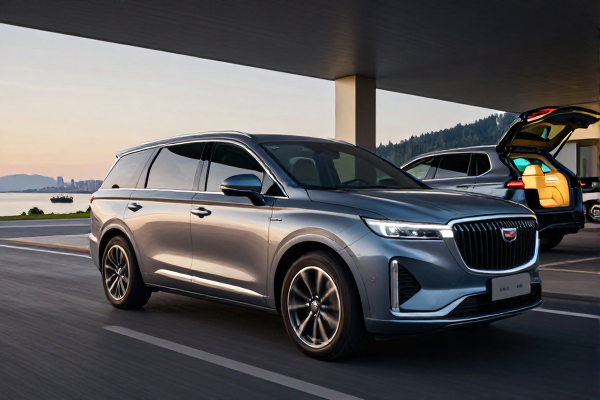
August 12, 2025 – For millions of drivers, Apple CarPlay and Android Auto are non-negotiable. A car without them often means no sale. So when GM announced in 2023 that it would phase out both systems in favor of a proprietary infotainment platform, the backlash was immediate. But two years later, the automaker appears to be hitting the brakes on that plan.
Multiple 2027 Cadillac models – including the upcoming Escalade IQ and Lyriq successors – still list Apple CarPlay and Android Auto as standard equipment in GM’s online configurator. That’s a clear signal that the company is not yet ready to pull the plug, despite its earlier promises.
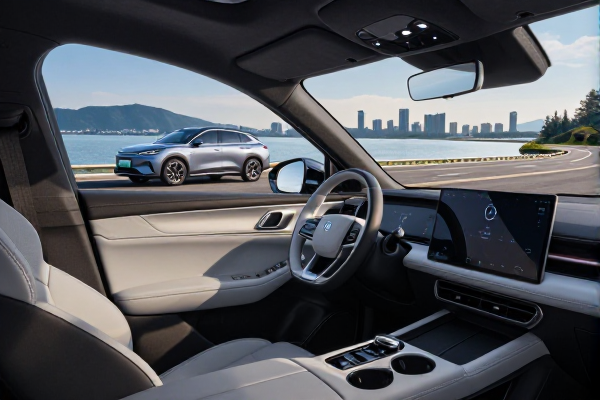
Speaking with CarBuzz, a Cadillac representative confirmed that the brand “is continuing to evolve its infotainment strategy across the EV portfolio, based on customer feedback, while also prioritizing the native, in-vehicle experience.” In late July, Cadillac began rolling out an updated infotainment software for new models. The update includes larger icons for frequently used functions, a new queue feature for paid streaming services like Spotify, and sharper graphics for the head-up display. Owners can now also link two user profiles to different seat memory buttons.
Why the delay?
Industry analysts suggest GM is walking a tightrope. On one hand, the company wants full control over the in-car experience to ramp up subscription revenue – think premium navigation, music streaming, and over-the-air feature unlocks. On the other hand, dealer feedback and customer surveys consistently show that CarPlay and Android Auto are top purchase motivators. A 2024 McKinsey study found that 68% of U.S. car buyers would switch brands if their preferred smartphone mirroring system were missing.
GM’s own next-generation infotainment platform, based on a centralized computing architecture, is still in development. Late last year, CEO Mary Barra confirmed that the tech would first appear on EVs and then spread to combustion models starting in 2028. But the company has not set a firm date for when the new system will completely replace Apple and Google’s offerings.
The subscription push
The real prize for GM is recurring revenue. Legacy automakers are racing to match Tesla’s ability to sell software updates and services long after the car is sold. Ford, for example, has already introduced BlueCruise subscriptions, while BMW offers heated seats as a monthly add-on in some markets. GM’s Ultifi platform, which underpins the new infotainment system, is designed to support a wide range of paid services.
However, analysts warn that forcing customers to abandon CarPlay and Android Auto could backfire. “GM risks alienating a loyal customer base that values seamless integration with their phones,” said Sam Fiorani, vice president of global vehicle forecasting at AutoForecast Solutions. “People are creatures of habit, and the smartphone mirroring experience is now deeply ingrained.”
What’s next?
Carscoops reached out to GM for an updated timeline on the CarPlay and Android Auto phase-out. A spokesperson declined to comment on specific dates but reiterated that the company is “committed to delivering a best-in-class native infotainment experience over time.”
For now, buyers of 2027 Cadillac models can breathe a sigh of relief. But the clock is ticking. As GM’s next-gen system rolls out from 2028 onward, the transition away from smartphone mirroring seems inevitable – just slower than originally planned.
In the meantime, competitors like Ford, Hyundai, and Kia continue to embrace CarPlay and Android Auto, with some even adding wireless connectivity as standard. GM’s delay gives it a chance to observe how rivals handle the balance between user preference and proprietary control, but the pressure to move quickly is mounting.
The bottom line: GM’s “CarPlay funeral” is postponed, not canceled. But the eulogies are still being written.