Browse

Log in / Register
 Share


On April 19, 2025, Genesis officially pulled the wraps off the GV90, its first ultra-large flagship electric SUV, marking the brand's 11th anniversary. The event, held at the historic Palace of Fine Arts in San Francisco, was attended by top Hyundai Motor Group executives including Executive Chairman Euisun Chung and Vice Chairman Jaehoon Chang. The GV90 is the seventh model in the Genesis lineup and the first entirely new vehicle segment since the GV60 launched five years ago.
Genesis says the GV90 was built with the ambition to redefine luxury in the global premium car market. Two versions were shown: the GV90 Neolun, featuring B-pillarless coach doors, and the standard GV90 with conventional swing doors. Both ride on the eMP platform, Genesis's dedicated flagship architecture, which leverages Hyundai Motor Group's full electrification expertise in driving performance, safety, and user experience.
The most talked-about innovation is the independently operable hidden B-pillar coach doors on the Neolun model. Traditional coach doors retain a B-pillar that prevents front and rear doors from opening independently, but the GV90 Neolun overcomes that limitation with a structure that maximizes the sense of openness — a world-first. Instead of a B-pillar, Genesis fitted ultra-high-strength dual steel beams inside the doors, connecting them to the body to distribute crash energy. The cabin frame is 1.5 times thicker than before, with ultra-high-strength steel tubes and high-rigidity structural foam placed throughout, delivering crash safety on par with a vehicle that has a B-pillar. A roof airbag covering the entire roof glass and a powered tailgate curtain were also introduced for the first time globally.
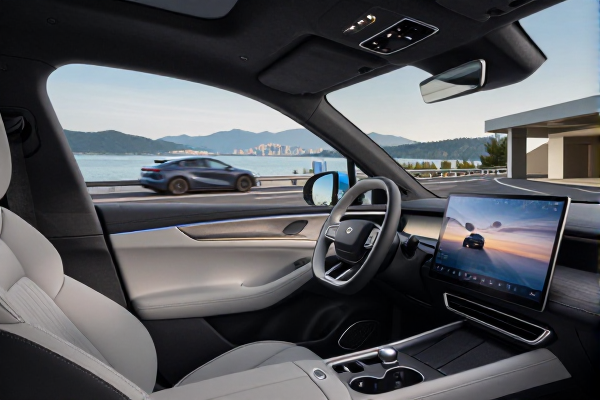
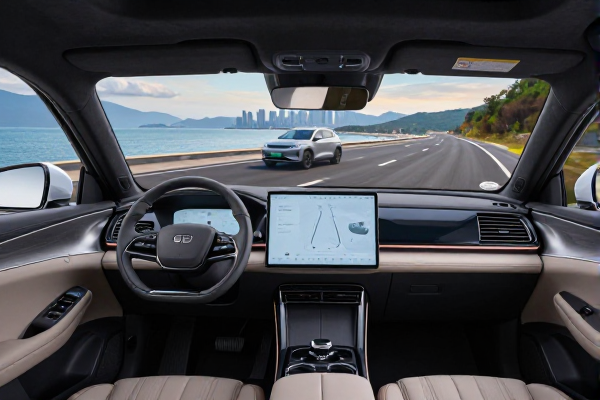
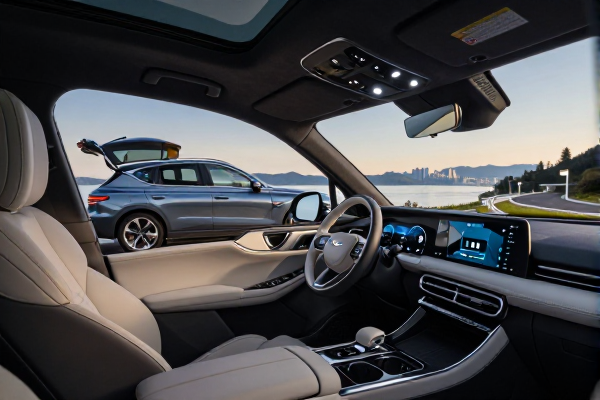
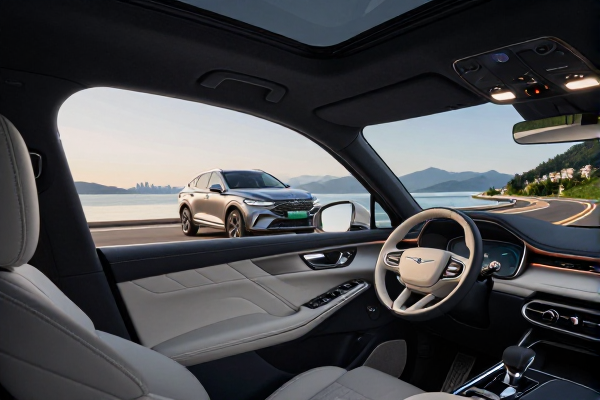
The GV90 is also the first Hyundai Motor Group vehicle to eliminate the start button. A new power system activates when the door handle is pulled, turning on the vehicle and opening the door automatically. The driver then presses the brake pedal and shifts into gear without touching any separate start button. Inside, the spacious cabin measures 5,285 mm in length with a 3,245 mm wheelbase. A 23.6-inch pop-up central OLED cinematic display rises 90 mm when a button is pressed at a standstill, expanding to 24.6 inches — about 1.7 times larger. The vehicle runs on Hyundai Motor Group's next-generation infotainment platform, Pleos Connect, enabling natural-language conversation through the in-car AI agent Gleo AI. The GV90 Neolun is the first Hyundai Motor Group vehicle with powered swiveling seats; pressing a button while parked rotates the front seats 180 degrees, creating a lounge-like space where occupants can face one another.
Power comes from a Samsung SDI prismatic battery pack with a 123.5 kWh capacity — the largest in any Hyundai electric vehicle. The GV90 Standard (seven-seat) achieves a range of 500 km on a single charge. With 350-kW fast charging, it can go from 10% to 80% in 22 minutes. A slider structure in front of the battery routes the motor and subframe under the vehicle in a frontal collision to prevent a direct hit to the battery, and a battery thermal runaway protection technology (TRP) prevents cell-to-cell heat propagation. Combined maximum output from the front and rear motors is 490 kW, with maximum torque of 800 Nm — also the highest performance among Hyundai electric vehicles.
On the driving dynamics front, the GV90 is the first Hyundai Motor Group vehicle to feature an E-LSD on each of the front and rear motors, improving cornering at high speeds. A multi-chamber air suspension adjusts stiffness and ride height via air springs, while monotube dual-valve electronically controlled shock absorbers flexibly adapt damping force. All glass uses world-class sound-insulating glass more than 5 mm thick, and high-expansion soundproofing filler is injected into hollow spaces in the body frame to reduce noise and vibration.
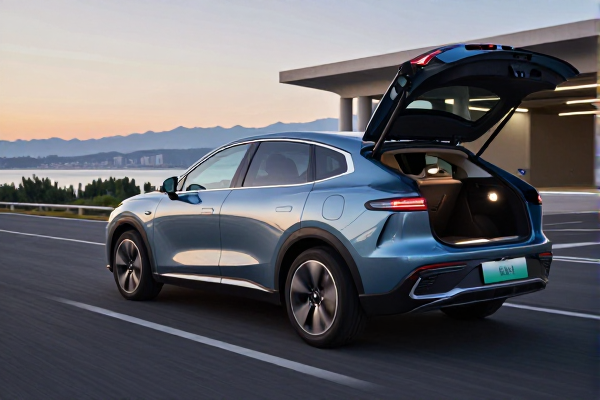
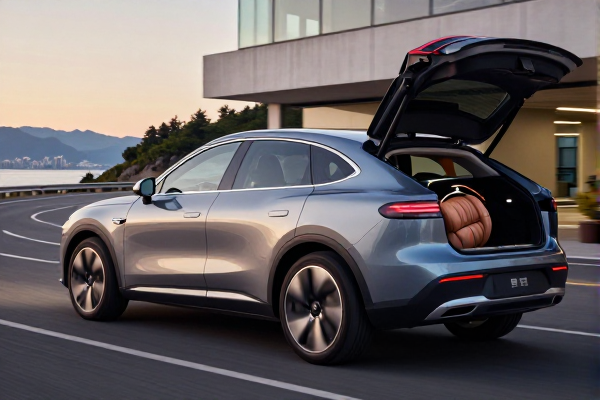
Design inspiration comes from the moon jar of Joseon white porcelain. The core of the GV90's design is the removal of unnecessary lines and elements, realized through its wing face, cutless lamps, and clean rear. The interior emphasizes refined luxury and detail over ostentation.
Genesis chose San Francisco — the innovation hub epitomized by Silicon Valley — as the venue for the GV90's global reveal. The city is considered the most advanced electrification market in the United States, with electric vehicles accounting for about one-third of new car sales. The Palace of Fine Arts, a landmark building erected for the 1915 Panama-Pacific Exposition, aligns with the brand's image of innovation. The move is seen as a strategic effort by Genesis, which is accelerating its shift to electrification, to make a strong statement with a flagship electric SUV at the forefront of the U.S. electrification market.
Industry analysts note that the GV90 enters a competitive segment dominated by the Mercedes-Benz EQS SUV, BMW iX, and upcoming Rivian R1S refresh. However, Genesis's unique hidden B-pillar design and swiveling seat feature could give it a distinct edge in the ultra-luxury EV space. Jose Muñoz, President and CEO of Hyundai Motor, said that Genesis has established itself as the fastest-growing luxury brand globally over the past decade, and the GV90, as a flagship SUV demonstrating Genesis's commitment to differentiated customer experience and technology, will be an important milestone toward the future of luxury mobility.