Browse

Log in / Register
 Share

May 9, 2026 — The U.S. fleet market is moving to electric faster than many employers expected, and luxury buyers are no longer limited to the usual German suspects. Genesis, the premium brand from Hyundai Motor Group, is making a strong case with the refreshed GV60 and Electrified GV70, combining 800-volt charging, executive-class interiors and a low running-cost story that makes fleet managers pay attention.
Genesis began with a simple idea: high-end motoring should feel personal, not transactional. Since arriving in North America as a standalone brand, it has built a following with design that owes more to Seoul and less to Stuttgart, then tuned its cars for European and American tastes. The results are distinctive without being eccentric, and the brand’s own “son-nim” service philosophy treats customers as honored guests.
For fleet decision-makers, that service model is a differentiator. At Genesis Studios, a personal assistant handles configuration, test drives, delivery and servicing. In a market where corporate fleet managers often bounce between rental desks and call centers, that direct line of communication can be a genuine time saver.
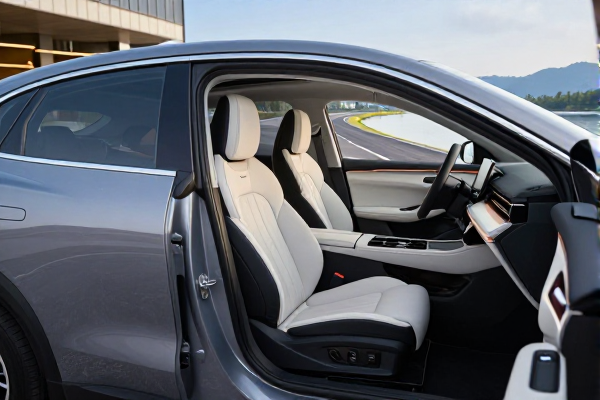
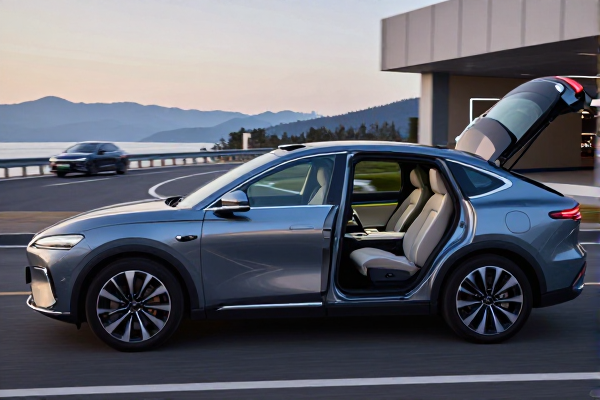
The heart of the current lineup is a pair of electric SUVs: the GV60 and the Electrified GV70. The GV60 is a compact coupe-SUV that aims for low drag and high practicality. Its dedicated EV platform allows the battery to sit under the floor, freeing up cabin space. The rear opens through a large hatch, and the interior has a clear, restful layout with premium materials and four color schemes.
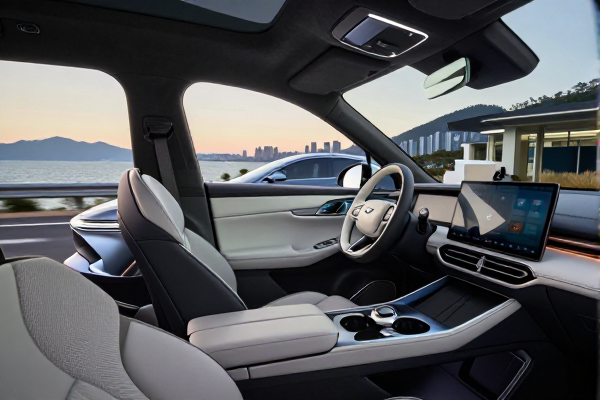
Inside, the updated models feature a single 27-inch panoramic display that merges the instrument cluster and infotainment screen. Drivers can access Netflix, Disney+ and Bloomberg when parked, or use voice commands to keep their eyes on the road. Physical buttons remain for common functions — a small but meaningful move for drivers who don’t want to dig through menus.
For longer journeys, optional Ergo Motion front seats in the GV60 add massage functions, air pockets that adjust posture, and full recline capability while parked. That’s the kind of detail that gets noticed by employees who spend their workdays on the road. European judges have already recognized the interior’s quality, and the same design language is now being seen in North American fleet evaluations.
The Electrified GV70 packages much of the same technology in a more conventional SUV body. It has an aluminum-heavy structure, a redesigned suspension and steering from recent model-year updates, and a cabin with wool, leather and sustainable materials made from recycled plastic and fishing nets. With five seats, a large sunroof and roughly 59 cubic feet of cargo space with the rear seats folded, it fits the needs of regional sales teams and senior managers alike.
The newest versions of both cars use a larger 84 kWh battery pack. On the European WLTP cycle, the GV60 can reach up to 348 miles of range; the Electrified GV70 around 298 miles. In the U.S., EPA figures will differ, but the real-world message is that both cars can handle a full day of trips without a panic stop.
Where Genesis stands apart is charging speed. Both models are built on 800-volt architecture, which is faster than the 400-volt systems found in most EVs. On a 350 kW charger, the GV60 can go from 10% to 80% in about 18 minutes, adding up to 244 miles. The Electrified GV70 needs about 19 minutes for the same benchmark. For a fleet driver, that means a coffee and a comfort break can recover roughly 100 miles.
Genesis Connected Services add convenience by letting drivers check charging status, pre-warm the cabin and defrost windows from a smartphone while the car is plugged in. The navigation system also preconditions the battery when a charger is set as a destination, so the car is ready for the fastest possible top-up when it arrives. As the U.S. fast-charging network continues to expand with 350 kW stalls, these features are no longer just a luxury — they’re operational tools.
Performance is often the entry point to a luxury brand, and Genesis has addressed that with Magma, its motorsport-inspired subdivision. Genesis will begin its FIA World Endurance Championship campaign in 2026, and the GV60 Magma is the direct road-going expression of that effort.
The GV60 Magma delivers 641 hp and reaches 60 mph in 3.4 seconds, with a top speed of 164 mph. It gets aerodynamic bodywork, bucket seats, 21-inch forged wheels and extra drive modes for touring and track work. It also includes Virtual Gearshift, which simulates the shifting behavior of a fast gasoline GT — including rev-matching, a 9,000 rpm redline and a soundtrack of pops and crackles. That’s a clever way to give EV drivers more engagement, and it elevates the entire lineup.
Other versions are hardly slow: the GV60 Performance takes four seconds to reach 60 mph, while the Electrified GV70 does it in 4.4 seconds. By bringing motorsport credibility to an electric SUV family, Genesis underlines that efficiency and excitement don’t have to be opposites.
In the U.S., company car benefits don’t follow the same CO2-based tax bands as some European countries. What matters in American fleet decisions is total cost of ownership — the monthly finance or lease cost, energy, maintenance, insurance and residual value.
EVs already have structural advantages here. According to the Department of Energy’s Alternative Fuels Data Center, charging an EV at home or at a depot typically costs less per mile than filling a comparable gasoline vehicle, and electric drivetrains generally need less routine maintenance thanks to regenerative braking and fewer moving parts. For businesses, the federal Inflation Reduction Act also includes a commercial clean vehicle credit of up to $7,500 for qualified light-duty EVs, which can be used by companies that place vehicles in service.
The low operating cost story broadens as employers add depot chargers and use software to manage charging schedules. In many states, utility tariffs for commercial charging are lower than public fast-charging rates, so a Genesis EV parked overnight is not only more comfortable than a conventional luxury sedan, but also cheaper to run per mile.
The 2026 market is full of good EVs, but Genesis has bundled the features that fleet drivers actually use: fast charging, a refined interior, versatile space, and a service experience that doesn’t require endless phone calls. The GV60 and Electrified GV70 now cover different fleet needs, while the Magma version gives the brand a spark that no specification sheet can capture.
For HR leaders, procurement teams and employees alike, the question is no longer whether to go electric. It’s which electric car can deliver the luxury, range and running costs in one package. Genesis is quietly becoming the answer.