Browse

Log in / Register
 Share

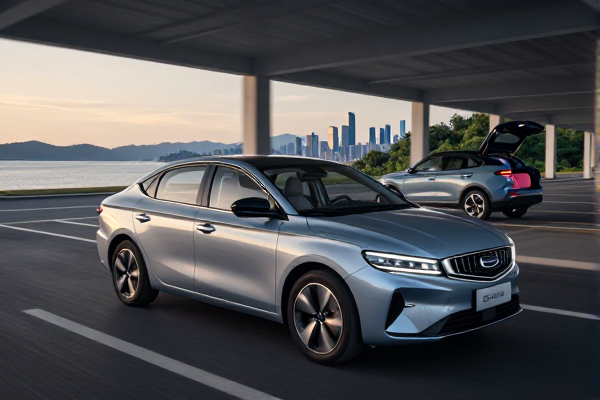
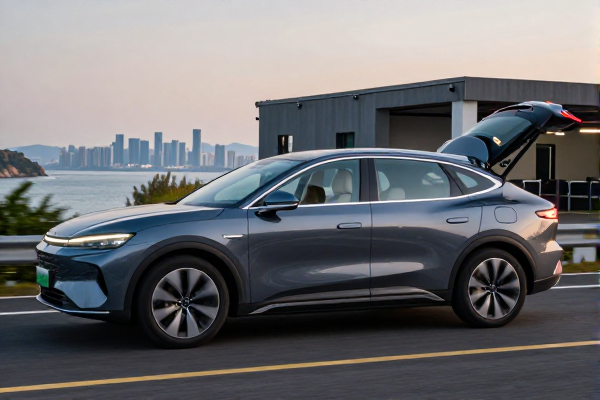
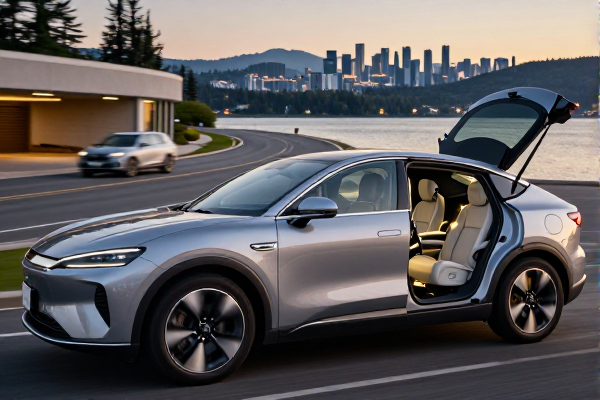
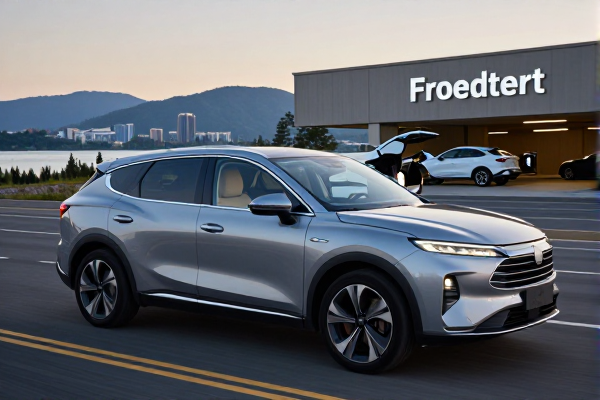
Oct. 26, 2023 — Geely Auto is preparing a significant offensive in the global electric vehicle market, with its compact E2 hatchback emerging as a potential game-changer for American consumers. Priced to undercut nearly every major player, the E2—marketed as the EX2 in certain regions—signals a new phase of price competition, directly challenging established models like the Tesla Model 3 and Chevrolet Bolt. While its European launch in Italy is imminent, industry analysts are now closely monitoring its strategic positioning for a possible North American debut.
The core proposition of the Geely E2 is unassailable: substantial electric mobility at an unprecedented entry price. In European markets, it is slated to start below €20,000, a benchmark that, if translated to the U.S. market, would place it comfortably under $20,000. This price point exists in a near-vacuum within the American EV landscape, where even the most affordable options typically begin several thousand dollars higher. Such aggressive pricing is not merely a promotional tactic but a deliberate strategy to penetrate a market segment dominated by used vehicles and gasoline-powered compact cars, potentially converting first-time EV buyers en masse.
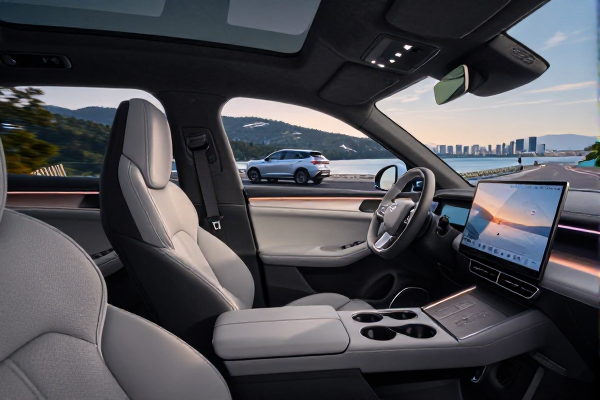
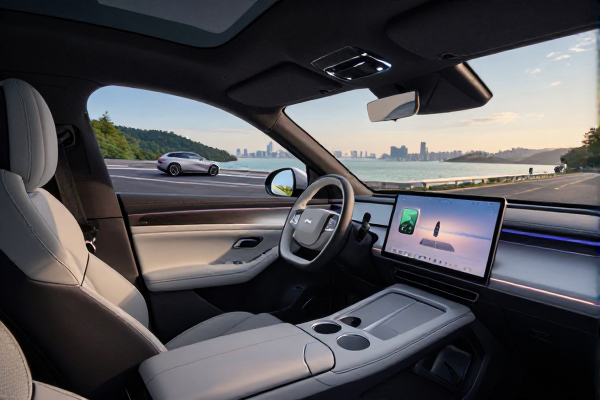
Beyond its headline-grabbing price, the E2 is built on Geely’s Sustainable Experience Architecture (SEA), a dedicated EV platform shared with brands like Volvo and Smart. This foundation promises competitive specifications for its class, including an estimated range of 200-250 miles on a full charge, DC fast-charging capability, and a modern infotainment suite with connectivity features. The design is contemporary and functional, prioritizing interior space efficiency over flamboyance, aligning with the practical needs of urban commuters and small families.
The potential ripple effects of the E2's arrival are profound. A successful, sub-$20,000 EV would exert immense pressure on incumbent automakers. Tesla, despite its brand dominance, has struggled to bring its long-promised "$25,000 model" to market. Chevrolet's Bolt, once the affordability champion, now starts significantly higher. The E2 could force accelerated development and price adjustments across the industry, benefiting consumers but squeezing margins for legacy manufacturers. This dynamic mirrors the disruptive impact Chinese brands have already had in the European market, where they are gaining rapid market share through value-oriented offerings.
However, Geely's path to success in the United States is fraught with challenges beyond pricing. Consumer perception of Chinese automotive brands, while evolving, remains a hurdle. Geely may leverage its ownership of prestigious European brands like Volvo and Polestar to build credibility and assure quality. Furthermore, establishing a robust sales, service, and charging network is a capital-intensive endeavor that requires careful planning and local partnerships. Regulatory compliance, including safety standards and potential tariffs, adds another layer of complexity to its market entry equation.
From an exclusive industry perspective, Geely's broader strategy appears to be one of calculated, multi-brand globalization. The E2 under the Geely marque could serve as the volume leader, capturing the budget-conscious segment. Simultaneously, its more advanced SEA platform technology will spawn higher-end models under the Zeekr or Polestar badges, targeting premium buyers. This tiered approach allows the company to compete across multiple market strata simultaneously, a flexibility that single-brand EV startups often lack. The E2, therefore, is not just a car but a strategic spearhead.
The timeline for a U.S. launch remains speculative but is a subject of intense discussion. Geely has not made an official announcement, but industry insiders suggest that market reconnaissance and feasibility studies are actively underway. A logical progression would see the E2 establish itself in Europe throughout 2024, followed by a potential announcement for North America in late 2024 or 2025. The final decision will likely hinge on the European reception, the evolving U.S. regulatory environment regarding foreign EVs, and the company's ability to secure a viable production and distribution framework.
In conclusion, the Geely E2 represents the vanguard of a new wave of affordable, globally-competitive electric vehicles. Its promise of sub-$20,000 pricing directly targets the largest, most price-sensitive segment of the American car market. While challenges related to brand perception and infrastructure are significant, the vehicle's underlying value proposition is potent enough to disrupt the status quo. If Geely executes its launch strategy effectively, the E2 could do more than just sell units; it could redefine consumer expectations for what an affordable electric car should be, accelerating the EV transition for millions.