Browse

Log in / Register
 Share
Share
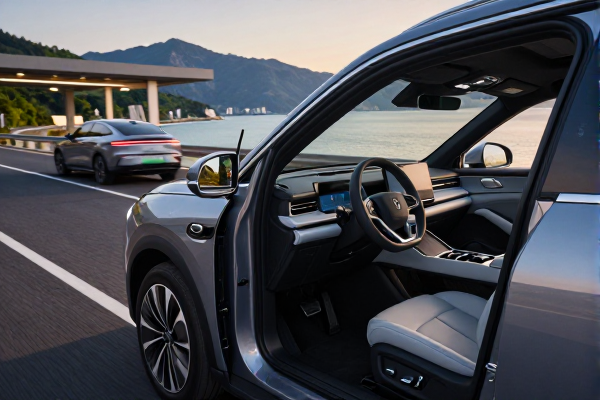
As millions of Americans crank up the air conditioning to combat soaring summer temperatures, many are unknowingly wasting fuel and money. A simple, often overlooked button on the dashboard—the air recirculation button—holds the key to significantly better fuel efficiency on sweltering days. With gas prices remaining a persistent concern for drivers, leveraging this feature can provide immediate relief for your wallet and your vehicle's performance. Updated July 20, 2023.
The core principle is straightforward: your car's air conditioning system works hardest when it has to cool down hot, humid outside air. By pressing the recirculation button, typically marked with an arrow inside a car icon, you seal the cabin and cycle the already-cooled interior air. This means the A/C compressor doesn't strain to constantly chill new batches of hot air, reducing engine load and, consequently, fuel consumption.
"On a 95-degree day, using recirculation mode can reduce the load on your air conditioning system by up to 30%, which translates directly into fuel savings," explains Michael Calkins, Manager of Technical Services at AAA. "It's one of the most effective and immediate actions a driver can take to improve efficiency in the summer." The Department of Energy notes that aggressive use of A/C can reduce a conventional vehicle's fuel economy by over 25%, especially on short trips, making this button a crucial tool for mitigation.
For optimal results, experts recommend a two-stage cooling strategy. First, with windows down, drive for a minute or two to expel the superheated air trapped in the cabin. Then, roll up the windows, turn on the A/C, and immediately engage the recirculation button. This allows the system to start with slightly cooler air and maintain a cold temperature more efficiently. Once the cabin is comfortable, you can sometimes switch the A/C off entirely and rely on the recirculation fan alone to maintain a pleasant temperature, saving even more energy.
Beyond fuel savings, the recirculation mode offers additional benefits. It dramatically improves cooling performance, allowing your car to reach a comfortable temperature faster. It also acts as a barrier against external pollutants, allergens like pollen and dust, and unpleasant odors from traffic or industrial areas, enhancing cabin air quality for drivers and passengers with allergies.
However, this mode is not meant for constant use. Safety guidelines recommend switching back to fresh air mode periodically—about every 15-20 minutes—to prevent carbon dioxide buildup from occupants' exhaled breath, which can cause drowsiness. A quick switch for a minute or two is sufficient to refresh the cabin air without sacrificing much cooling efficiency.
The recirculation button is just one part of a holistic summer driving efficiency plan. Your driving behavior has an even greater impact on fuel costs. Reducing highway speed is the single most effective way to save fuel. According to the U.S. Department of Energy, vehicles use about 8% less fuel for every 5 mph they reduce speed over 50 mph. Dropping from 75 mph to 65 mph can improve fuel economy by over 10%.
Planning ahead is another major saver. Combining errands into one trip avoids multiple cold starts, when the engine is least efficient. Using cruise control on the highway maintains a steady speed and avoids wasteful acceleration and deceleration. Furthermore, removing excess weight from your trunk and roof and ensuring your tires are properly inflated reduce rolling resistance and aerodynamic drag, respectively.
For those with plug-in hybrid or electric vehicles, the principles are similar but the stakes are different. Using recirculation mode reduces the draw on the A/C compressor, which conserves battery charge. This can meaningfully extend your electric driving range on a hot day, reducing the frequency of charges or the need to switch to the gasoline engine.
In an era of heightened climate awareness and economic pressure, smart driving is no longer just about convenience—it's about conservation and cost-control. The humble recirculation button, paired with mindful driving habits, empowers drivers to take direct control over their fuel consumption. As heatwaves become more frequent and intense, mastering these simple techniques will ensure you stay cool, breathe easier, and keep more money in your pocket every time you hit the road.