Browse

Log in / Register
 Share
Share
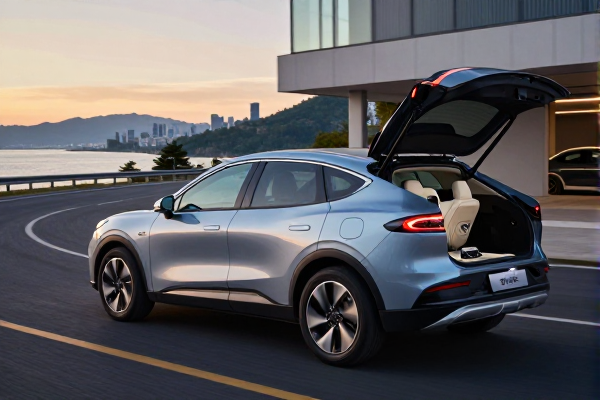
October 2023 — In a significant move for in-car technology, Ford Motor Company has announced it will be the first automaker to deeply integrate Apple Maps directly into the infotainment systems of its future electric vehicles. This integration, enabled by Apple's new MapKit for Automotive software development kit (SDK), means drivers will have access to advanced Apple navigation features without needing to own or connect an iPhone. The technology is slated to debut on Ford's upcoming Universal Electric Vehicle Platform, with a mid-size EV priced around $30,000 leading the charge in 2027.
This partnership signifies a strategic shift for Apple, moving beyond its familiar iPhone-and-CarPlay ecosystem to embed its services natively within vehicle architecture. For Ford, it represents a commitment to delivering a premium, software-defined experience in its next-generation EVs. The built-in system promises core Apple Maps functionalities, including turn-by-turn directions initiated by natural voice search and real-time traffic and incident alerts, all rendered on the vehicle's native display.
A key benefit for electric vehicle owners will be the inclusion of intelligent EV routing capabilities. The system is designed to communicate with compatible charging stations, a feature known as battery preconditioning. As the vehicle approaches a charger, it can signal the station to prepare, potentially heating the battery to an optimal temperature to significantly reduce charging time—a critical factor in enhancing the practicality and appeal of long-distance EV travel.
Ford has been quick to reassure customers that this deep integration of Apple Maps does not come at the expense of existing connectivity options. The company confirms that Apple CarPlay will remain available across its vehicle lineup. This allows drivers who prefer it to continue projecting their iPhone's interface onto the car's screen, ensuring access to other apps and services while maintaining safe, integrated use while driving.
The collaboration extends beyond basic navigation. Ford plans to leverage Apple Maps data to refine and enhance its BlueCruise hands-free highway driving system. The high-fidelity map data from Apple is expected to contribute to "a more seamless on-ramp-to-off-ramp experience," potentially improving lane centering, anticipating highway exchanges, and smoothing transitions in advanced driver-assist scenarios. This data synergy could become a competitive differentiator in the automated driving space.
Eddy Cue, Apple's senior vice president of Services, emphasized the user-centric vision behind the SDK, stating, "With our new MapKit for Automotive SDK, we're bringing Maps further into drivers' daily lives, giving them an incredibly accurate and easy-to-use navigation system that is seamlessly integrated into Ford vehicles." This statement underscores Apple's ambition to make its services ubiquitous, irrespective of the device a user carries.
Industry analysts note this is not an exclusive arrangement for Ford. Apple's release of the MapKit for Automotive SDK is an open invitation to the entire automotive industry. Other automakers, particularly those without robust in-house navigation solutions or those seeking a recognized consumer brand for software, are likely to follow suit. This could rapidly expand Apple's footprint in the automotive sector, setting up a new front in its competition with Google's Android Automotive OS.
The move highlights the accelerating convergence of the tech and automotive industries, where software and digital services are becoming primary purchase considerations alongside traditional metrics like horsepower and fuel economy. For consumers, it promises more seamless, feature-rich digital experiences built directly into their vehicles, reducing reliance on smartphones and improving integrated safety and convenience.