Browse

Log in / Register
 Share

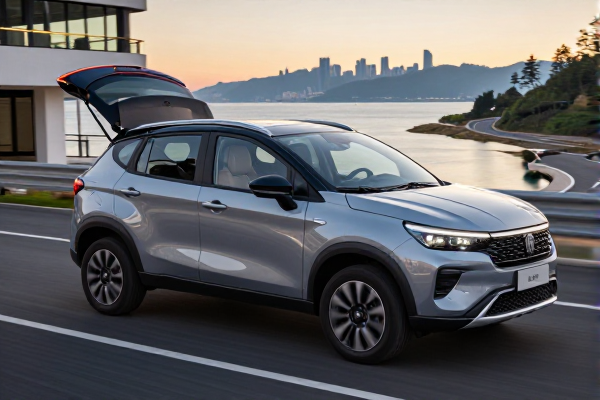
Fiat has a long history of treating the family car as a design puzzle, and its newest concept seems to solve that puzzle by refusing to pick just one body style. The Multiplay, revealed digitally ahead of the 2026 Paris Motor Show, is being presented as a single vehicle that can change character on demand: an urban runabout, a weekday family hauler, or a weekend escape machine. As of May 9, 2026, the Italian brand says the show car will appear in person in Paris later this year, giving the public a close look at a project that could reshape how Stellantis thinks about small vehicles.
The Multiplay’s core idea is simple: instead of creating three separate vehicles on three different platforms, Fiat has created one flexible structure that owners can adapt to different needs. The company has not yet released full powertrain figures or official production plans, but the concept appears to be built around a compact electric architecture. That alone is notable for Fiat, because it places the Multiplay in the same strategic lane as the 500e and the next generation of Panda-based models.
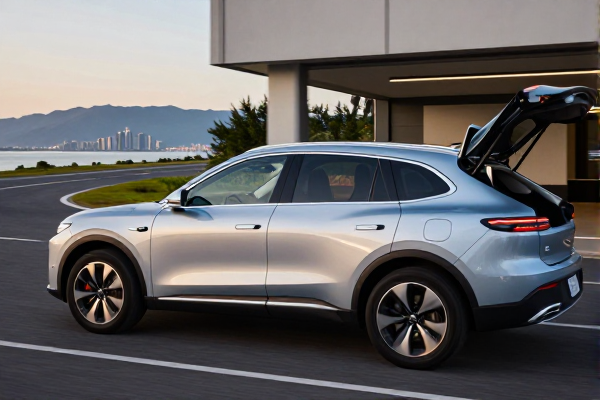
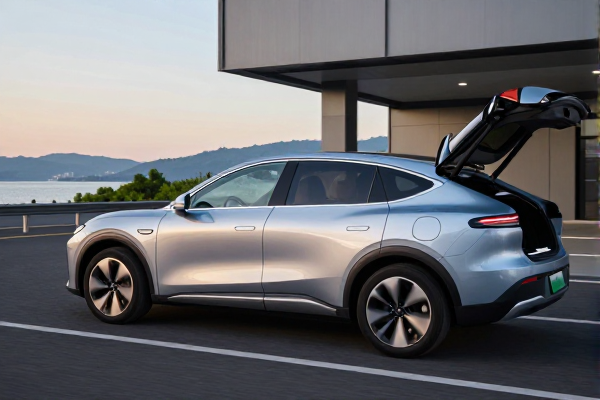
Fiat describes the concept as a three-in-one package. The first configuration is a compact urban car with a short footprint and high seating position, designed for crowded city streets and easy parking. The second is a more traditional family car, with a cabin that can be adjusted to carry people, strollers, luggage, or anything else a weekend routine demands. The third leans in a more adventurous direction, with roof rail options, tougher cladding, and storage solutions that suggest something closer to a mini off-roader.
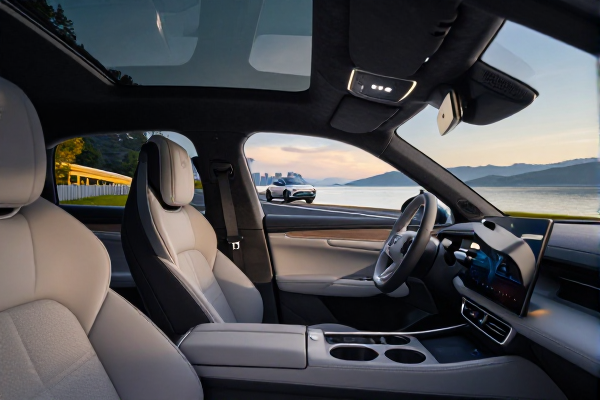
In truth, the Multiplay is less about one dramatic transformation and more about modularity. The seats can be repositioned, the rear structure can be reconfigured, and the interior layout appears to change depending on the driving scenario. Fiat is betting that future buyers will no longer accept a fixed car with a fixed purpose when a single vehicle can cover a wider range of life.
There is no way to talk about this concept without mentioning the Multipla. Fiat’s 1998 Multipla was mocked by some critics for its unusual front-end and happy face-like headlamps, yet it earned a cult following for its excellent interior packaging. It offered three seats in the front row, a flat floor, and sensible cabin space in a vehicle that was far smaller than a typical minivan.
The Multiplay name is not a direct sequel, but it clearly borrows from that same spirit. The goal is not to create a bold design statement for the sake of attention; it is to solve a practical problem. Fiat knows that many families want the low running costs of a small car, the versatility of a people mover, and the ruggedness of an SUV. Historically, those three wants forced a buyer to compromise. The Multiplay concept is Fiat’s argument that compromise is no longer necessary.
This concept arrives at an important moment for Stellantis. The company has been under pressure to cut model complexity, reduce production costs, and accelerate its move to cleaner vehicle technologies. A single platform with changeable configurations could help Fiat serve several customer niches without maintaining separate assembly lines and separate inventories.
That strategy is not unique to So Paulo or Turin; across the industry, automakers are exploring ways to make vehicles more adaptable. But Fiat is unusual because it is applying that idea to the small, affordable end of the market. If the Multiplay reaches production, it could offer the kind of flexibility that has so far been reserved for large SUVs and premium multi-purpose vehicles.
Auto analysts have been quick to point out that this concept also signals a broader shift in Fiat’s product planning. Instead of spreading itself thin with many variations of city cars, Fiat may concentrate on a smaller number of clever architectures that can cover multiple roles. That fits with Stellantis’s push for common platforms and shared battery systems. It also fits with Fiat’s history: each generation of the Panda and the 500 was designed to do a lot with a little.
Fiat has not yet published full specifications for the Multiplay. There is no confirmed battery size, range estimate, or powertrain lineup, and there is no word on whether the concept will enter production as a complete vehicle or as a platform study for future models.
What is known is that the concept is intended to be shown at the 2026 Paris Motor Show, one of Europe’s most important auto events. The Mondial de l’Automobile has increasingly focused on electric mobility and creative urban concepts, which makes it a fitting backdrop for a vehicle like this.
It is also worth noting that Fiat remains a global brand with deep roots in Europe while having a smaller footprint in North America. The Multiplay, if it eventually becomes a real model, may first target European buyers, where small, configurable vehicles are more widely accepted. US buyers could still see the concept reach their market in some form, particularly if Stellantis tries to rebuild Fiat’s presence in America with a more distinctive product lineup.
For now, the Multiplay is still a concept, and Fiat has made it clear that pricing, timing, and even the final design could change before anything reaches showrooms. But the message behind the reveal is hard to ignore: Fiat believes the future of small cars is not about making them smaller, but about making them more useful.
That is a refreshing change from automakers that simply add sporty styling to a compact crossover. Instead of claiming to be an urban SUV or a mini MPV, the Multiplay openly says it wants to be all of those things at once. Whether that idea can survive the compromises of production engineering remains to be seen. But as a concept, it puts Fiat back in a familiar role: the unconventional Italian brand that reminds the industry that a car does not need to be ordinary just because it is small.
The Paris Motor Show will be the next major test for the Multiplay. If the concept creates enough buzz, it could become one of the most talked-about debuts of the year. More importantly, it could give Fiat a clear answer to the question every automaker is asking: how do you build one vehicle that satisfies as many different drivers as possible?