Browse

Log in / Register
 Share

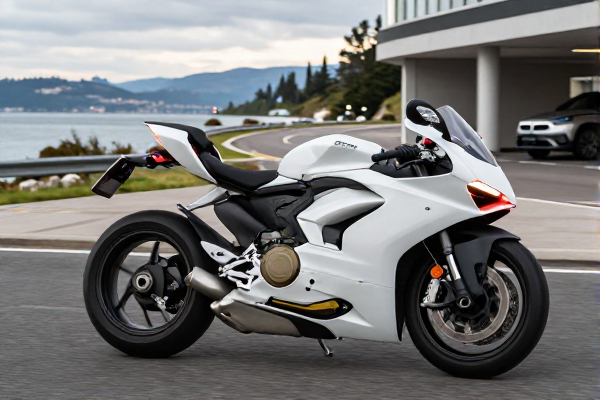
It’s hard to talk about Ducati without reaching for superlatives. The Italian marque holds more than 40 world championships across MotoGP and World Superbike, and its lore is built on legendary L‑twin engines and iconic red paint. But when I swung a leg over the 2026 Panigale V2 S earlier this month, something felt off—and I’m not the only one.
Let’s start with the numbers. The new Panigale V2 S packs an 890 cc 90‑degree V‑twin that makes 120 hp and 69 lb‑ft of torque—down from the previous 955 cc engine’s 155 hp. Ducati says the bike weighs 388 lb wet (without fuel), or about 412 lb with a full 4‑gallon tank. That’s 33 lb lighter than the old model. The chassis relies on an aluminum monocoque frame weighing just 8.8 lb, with the engine acting as a stressed member to save weight. Suspension is Öhlins, brakes are Brembo monoblocks, and electronics include lean‑sensitive traction and wheelie control.
So why does this bike feel like a different animal? The short answer: Euro 5+ emissions regulations forced Ducati to downsize and detune the engine. The riding position has also moved from a full tuck—think mayonnaise slathered on an Italian sub—to a more upright setup, more like a loose lettuce leaf. In other words, it’s lost the raw, track‑ready intensity that made the previous generation a cult favorite.
I first rode the Panigale V2 five years ago, and I ended up calling it a love story. I spent every day on Angeles Crest Highway, pushing deeper and deeper into corners until I was nearly brushing the Armco tops. That bike was miserable in city traffic but utterly transcendent on a mountain pass. With the 2026 model, I chased that same feeling. I adjusted tire pressures to factory spec (the press bike had been running low), played with the ride modes—Wet, Sport, Race—and dialed in the fully adjustable rear shock. The bike responded better, but it never reached the previous level of visceral joy.
That’s not just nostalgia talking. Several seasoned testers I spoke to echoed the same observation: the new V2 S is supremely competent, beautifully finished, and pleasant to live with daily, but it has traded the “beast” character for a more civilized personality. It’s not quite a touring bike, yet it’s no longer a hard‑core sports machine.
In the current market, it faces strong competitors. The Yamaha YZF‑R9 (890 cc inline‑triple, 119 hp, 441 lb) is designed for comfort and everyday usability. The Kawasaki Z900 RS (948 cc inline‑four, 115 hp, 476 lb) leans retro‑naked. The BMW F 900 XR (895 cc twin, 105 hp, 68 lb‑ft) is a sport‑tourer. On paper, the Ducati outscores them all—if you value light weight and component quality above all else. But if you’re chasing the old Panigale V2’s magic, the spec sheet won’t help.
What’s the bottom line? The 2026 Panigale V2 S is a gorgeous, well‑built, and perfectly usable supersport. It’s also a victim of its own era. Emissions rules aren’t going away, and Ducati had to choose between killing the model or softening it. They chose the latter. If you never rode the previous version, you’ll likely be thrilled. If you did, temper your expectations.
This article reflects riding impressions and market context as of March 5, 2025.