Browse

Log in / Register
 Share
Share

A growing chorus of American drivers is pushing back against what they see as the automotive industry’s misguided priorities. Forget debates over powertrains—the real frustration lies in features that sacrifice everyday usability for flashy technology or brand marketing. A recent discussion spurred by Jalopnik highlights a clear disconnect: consumers crave simplicity and reliability, but are increasingly presented with complex, failure-prone gadgets. Updated May 12, 2024.
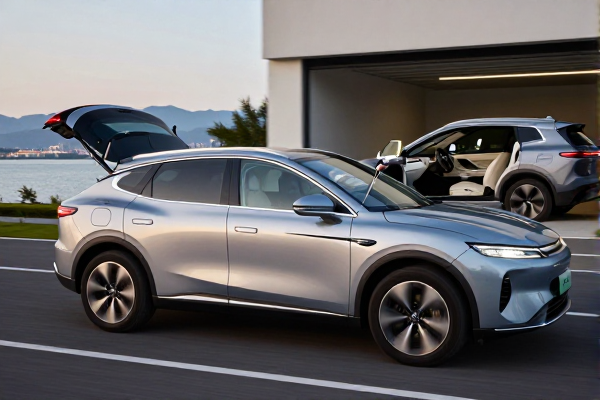
The sentiment is clear: drivers are exhausted by solutions in search of problems. High on the list of grievances are electric and flush-mounted door handles. Praised for sleek aesthetics, they are damned for real-world function. Owners report failures in cold weather when 12-volt batteries falter, potentially trapping occupants. In an accident, their complex mechanisms can become inoperable, posing a safety risk that traditional handles simply don’t. Critics argue this trend prioritizes a designer’s sketch over an engineer’s practicality.
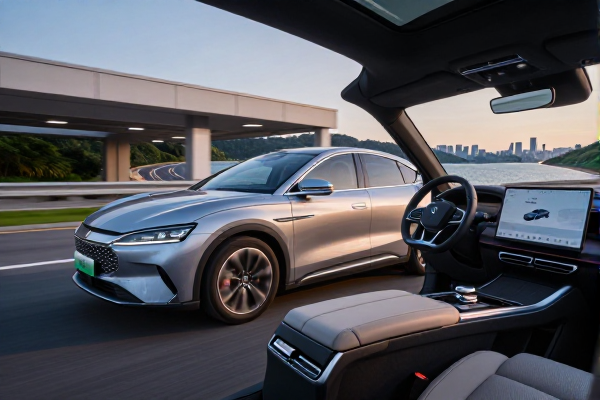
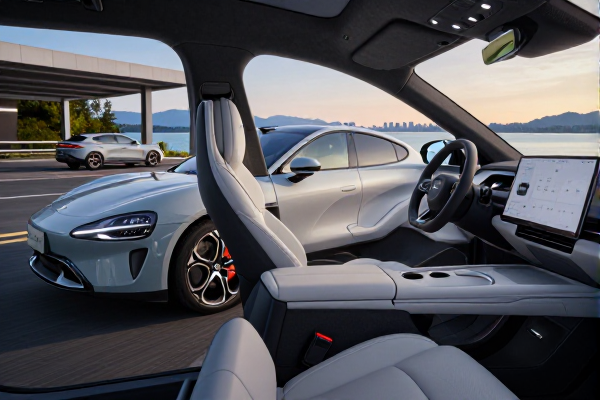
Inside the cabin, the war on physical buttons rages on. Manufacturers have rapidly replaced tactile knobs and switches with glossy touchscreens and haptic panels. Drivers contend this creates a significant cognitive load and distraction. Adjusting climate control or radio volume now requires taking eyes off the road to navigate nested digital menus—a dangerous shift from the muscle memory afforded by traditional controls. This shift from function to form is not just an annoyance; it’s a legitimate safety concern.
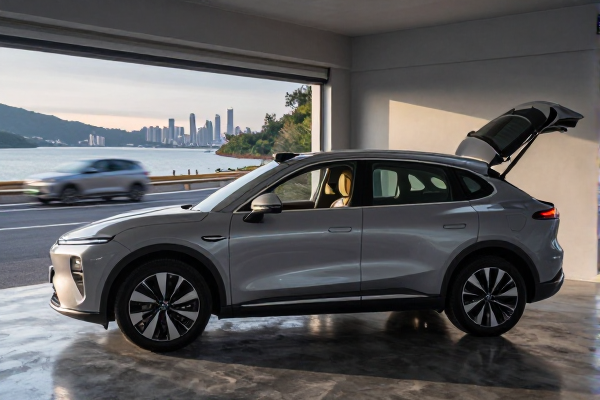
Another trend drawing ire is the proliferation of massive wheels wrapped in low-profile tires. Once reserved for sports cars, these setups are now commonplace on family crossovers and SUVs. While they enhance the vehicle’s aggressive stance, the trade-off is severe. Ride comfort deteriorates as sidewalls shrink, transmitting every road imperfection into the cabin. The risk of wheel damage from potholes skyrockets, and replacement costs for these specialized tires are substantially higher, hitting consumers squarely in the wallet.
Perhaps the most symbolic of marketing-over-matter excess is the logo projection puddle lamp. What was once a simple, useful light to illuminate the ground beside a car door has been co-opted. Now, the primary goal is often to bathe the pavement in a brand emblem. This feature provides negligible improvement in actual visibility or safety, serving instead as a rolling advertisement. It perfectly encapsulates an era where even basic utility is leveraged for brand promotion, offering the driver little tangible benefit.
Safety is being subtly compromised by style, according to some observers. Modern vehicle design, with its high beltlines and thick pillars for a “commanding” look or enhanced crash structure, has shrunken glass areas. The result is poorer outward visibility, creating larger blind spots. In response, automakers add more cameras and sensors. This has led to a concerning paradox: vehicles are packed with more safety technology than ever, yet the fundamental act of seeing out of them has become more difficult, making drivers dependent on electronic aids.
The most financially grating trend, however, is the move toward subscription services for hardware already installed in the car. The infamous example is paying a monthly fee to activate heated seats. Consumers who have already purchased the physical equipment understandably view this as “double-dipping” and a blatant cash grab. Industry analysts warn this practice risks massive consumer backlash and could erode brand loyalty, as it fundamentally changes the relationship from ownership to a perpetual, fee-based “access” model.
Interestingly, the backlash is not directed at technological progress itself. Electrification, advanced driver aids, and efficient engines are largely welcomed. The frustration is reserved for trends perceived as gratuitous—additions that serve corporate branding, design dogma, or new revenue streams more than they serve the person behind the wheel. Drivers are rejecting complexity that offers no corresponding improvement in the ownership experience.
This collective pushback signals a potential inflection point. While the industry charges toward a software-defined, connected future, a significant segment of the market is voicing a demand for common sense. These drivers want vehicles that are durable, intuitive, and focused on the fundamentals of transportation. The message to automakers is to re-evaluate whether the next “innovative” feature adds genuine value or merely another layer of cost and complication.
Exclusive Perspective: The “Decontenting” Counter-Trend Amidst the noise of flashy tech, a quiet but significant counter-movement is emerging, often called “decontenting” or value-engineering. Some automakers, particularly in the commercial and fleet sectors, are now offering simplified trim packages specifically designed to eliminate problematic trends. For example, several manufacturers now offer fleet-oriented versions of popular SUVs with smaller wheels, higher-profile tires, physical climate controls, and conventional door handles—all at a lower cost and with higher predicted reliability. This isn’t just a niche offering; it’s a direct response to the durability and cost complaints from high-mileage users. Its growing popularity suggests that if the mainstream market’s dissatisfaction continues, we may see a surprising resurgence of no-frills, high-value packages aimed at everyday drivers who prioritize function over flash.