Browse

Log in / Register
 Share


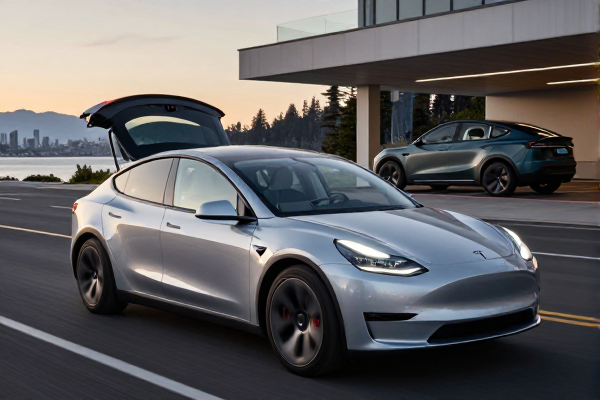
June 6, 2025 – China’s automotive safety regulator has announced the largest vehicle recall in the country’s history, affecting more than 2 million vehicles. The root cause? Electronic door handles that can fail to open in emergencies, trapping passengers inside. The recall spans multiple automakers, including Tesla, NIO, XPeng, and several traditional Chinese brands, raising urgent questions about the safety of flush door handles that have become a design hallmark of modern EVs.
The recall, initiated by the State Administration for Market Regulation (SAMR), covers certain models manufactured between 2020 and 2025. According to SAMR, the electronic door handle mechanism may not fully extend when the vehicle loses power or during a crash, preventing occupants from exiting. This is not a software glitch that can be patched over the air; it involves a physical redesign of the handle assembly.
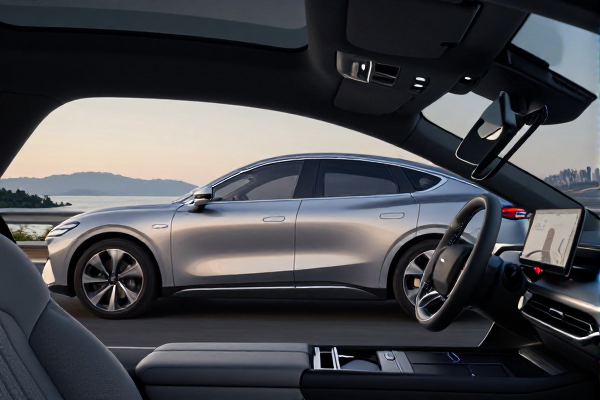
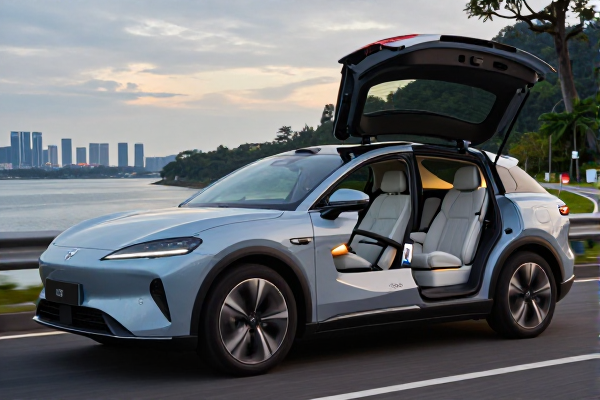
Electronic door handles, which pop out only when the car is unlocked or when the driver approaches, have proliferated globally over the past decade. They offer aerodynamic benefits and a sleek, minimalist look, especially on electric vehicles. But the trade-off is reliability: if the electronic signal fails, the handle may remain flush, forcing occupants to use manual release levers that are often hidden or poorly labeled. In China’s hot, humid climate, corrosion and water ingress have also been cited as contributing factors.
The scale of the recall is unprecedented. By comparison, the largest U.S. recall—the Takata airbag inflator crisis—affected about 37 million vehicles, but that was spread over several years. China’s single-action recall now surpasses any previous event in its history. Although the exact number of vehicles in the U.S. with similar handles is unknown, the National Highway Traffic Safety Administration (NHTSA) told Reuters it is reviewing the China data and has opened a preliminary inquiry into whether U.S.-market vehicles with similar designs pose the same risk.
Tesla, which uses flush handles on its Model 3, Model Y, and Model S, is the most prominent name in the recall. The company has not commented on whether it will issue a similar recall outside China, but it has faced complaints in the U.S. about handles freezing shut in cold weather. In 2023, a class-action lawsuit was filed in California alleging that Tesla’s door handles fail to open in sub-zero temperatures, but the suit was dismissed after Tesla offered a software update to improve manual release accessibility.
The recall also includes several Chinese EV startups, such as NIO and XPeng, which have been expanding into Europe and the Middle East. Those markets may now face heightened scrutiny. The European Union’s General Safety Regulation requires that all vehicles have a mechanical door release that can be operated from inside, even after a power loss. Many Chinese EVs already comply with that rule, but the recall suggests that the manual release systems themselves may be inadequate or confusing.
The broader implications for the global auto industry are significant. As automakers rush to differentiate their designs, flush door handles have become a near-universal trend. But the China recall may force a re-evaluation. “It’s a classic case of form over function,” said John Brown, a former NHTSA safety engineer now consulting for automakers. “The industry needs to agree on a standard for emergency release that doesn’t require a user manual. If a child is in the back seat during a fire, seconds matter.”
In the meantime, Chinese authorities are requiring all affected automakers to replace the door handle assemblies free of charge. The repair involves a redesigned mechanical linkage that ensures the handle can be pushed outward manually even if the electronics fail. Some automakers have already begun notifying customers. For U.S. consumers, the advice is to check your vehicle’s manual for the location of the manual release lever and to practice using it with your family.
The recall is a stark reminder that innovation in automotive design must be balanced with fail-safe redundancy. As electric vehicles continue to gain market share worldwide, the “door handle problem” may become a defining safety issue of the decade.