Browse

Log in / Register
 Share

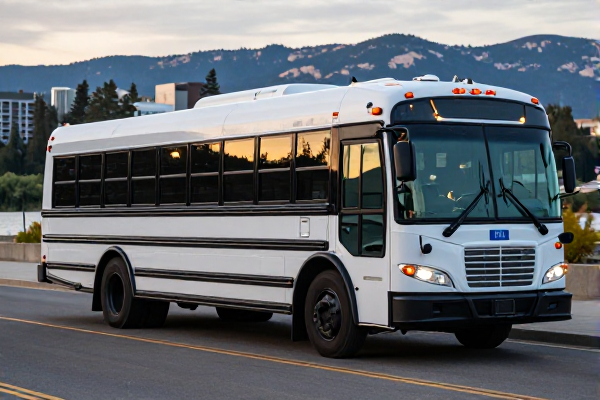
Denver Public Schools now operates the largest electric school bus fleet in Colorado, and a new charging hub designed to keep nearly all of its 28 buses running. The district completed a 26-plug charging depot at the Hilltop Bus Terminal just before the first day of school on August 24, 2025, ensuring the system is live as buses return to regular routes.
Smart charging prioritizes high-mileage routes
The hub, built by electrical contractor Winn-Marion, runs on a 650-kilowatt Kempower distributed charging system. Instead of fixed power outputs, the setup uses 13 dual-port Kempower Satellite dispensers that can dynamically shift electricity across all 26 plugs. Buses assigned to longer routes get charged first, while vehicles that can wait receive less power. This flexibility helps the district avoid overloading the grid while keeping every bus ready for the morning run.
Fleet grew from 3 to 28 buses in one year
Denver7 reported earlier that the district’s electric fleet expanded from three buses to 28 after adding 25 Blue Bird Vision electric school buses. That means electric vehicles now make up 12% of DPS’s yellow school bus fleet. The district plans to continue adding electric buses as part of its long-term sustainability goals.
Health and cost benefits drive the shift
The American Lung Association links diesel exhaust to asthma attacks, lung damage, and other serious health problems, especially in children whose lungs are still developing. About 26 million U.S. children ride school buses, and roughly 95% of those buses still run on diesel, according to industry data. Replacing even part of that fleet with electric models reduces students’ exposure to tailpipe emissions during daily commutes.
Denver7 reported that DPS expects annual energy costs of about $1,900 per electric bus, compared with roughly $6,800 for diesel. For the 25 new buses, the district projects about $123,000 in yearly fuel savings. Maintenance costs are also about 75% lower because electric buses have no engines, transmissions, or many other moving parts.
Real-world data still evolving
The new depot is also a testbed for operational data. DPS plans to track electricity use, maintenance needs, and overall efficiency through its monitoring system, which could help make clearer comparisons with diesel costs. However, the district acknowledges that the long-term financial picture is incomplete. Each electric bus includes a $93,000 battery with an eight-year warranty, and more expensive repairs may arrive in years nine or ten—around the same time diesel buses also start requiring major work. DPS does not yet have enough real-world data for a full lifetime cost comparison.
Broader pollution reduction goals
The project ties into DPS’s goal to cut total greenhouse gas emissions by at least 90% by 2050. Transportation currently accounts for 14% of those emissions. Beyond Denver, Kempower’s school bus charging equipment is already serving electric fleets in Quebec, Louisiana, Kansas, Massachusetts, Indiana, and Wisconsin.
Nationwide momentum for electric school buses
Denver’s 26-plug depot is part of a larger trend. Across the U.S., orders for electric school buses have risen tenfold in recent years, driven by federal funding and growing demand from districts. GreenPower Motor Company recently reported its order pipeline at record levels, reflecting rising demand in three states. Federal funding for electric school buses doubled this year, giving more districts room to replace diesel fleets.
For Denver, the challenge now is scaling up. The district’s experience with smart charging, real-world cost tracking, and grid integration will provide valuable lessons for other districts nationwide. As more electric buses hit the road, the questions of charging infrastructure, battery life, and total cost of ownership will shape school transportation decisions for years to come.