Browse

Log in / Register
 Share

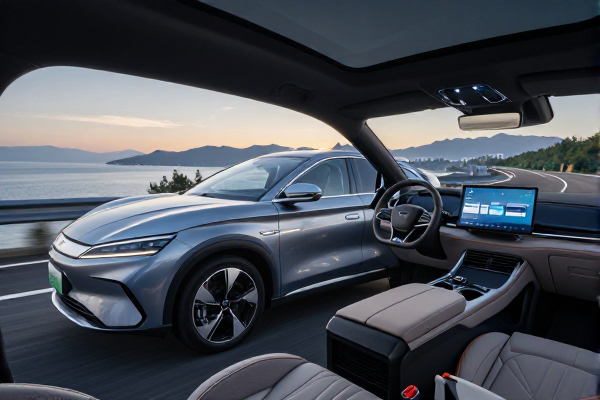
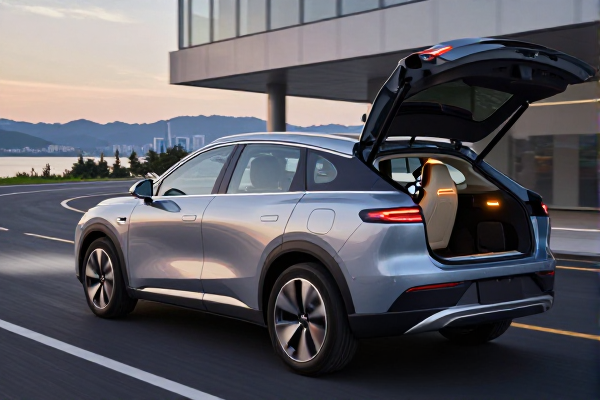
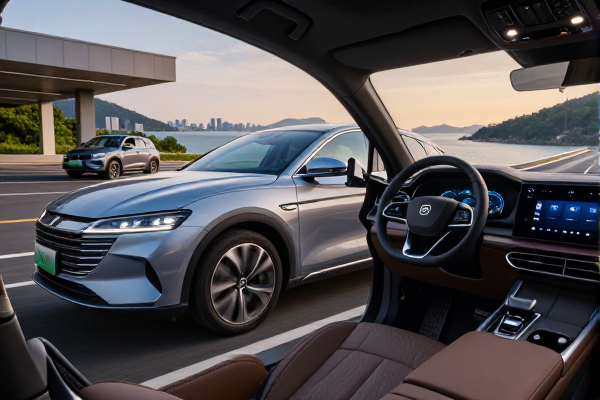
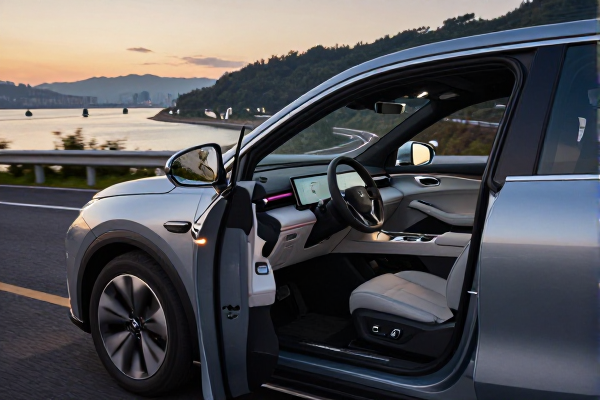
ROME — On September 10, 2024, Chinese automaker BYD is rolling out a private campaign it calls the "BYD Decree" in Italy, offering discounts of up to €11,600 to customers who trade in a car with at least 150,000 kilometers. The move deepens BYD’s push into the Italian market just as Rome allocates €300 million to reshape its domestic automotive supply chain.
The campaign, which runs from September 1 to September 30, targets individuals and sole proprietorships in Italy purchasing eligible BYD models. The discounts—ranging from €1,480 to €11,600 depending on the model and trim—cover both battery-electric vehicles and BYD’s DM-i plug-in hybrids. BYD explicitly states that the initiative is a "private commercial initiative" and is "not linked to incentives or public measures," effectively borrowing the language of Italian government decrees for a sales push.
Why it matters: BYD’s “decree” highlights a growing challenge for European governments: Chinese manufacturers are using aggressive commercial strategies—and even mimicking government language—to accelerate market penetration. This comes as the EU has imposed additional tariffs on Chinese-made EVs following an anti-subsidy investigation, yet Chinese brands continue to gain ground in Europe.
In Italy, BYD’s growth is striking. According to data from Unrae, cited by Milano Finanza, BYD registered 2,580 cars in Italy in August 2024, a 194.9% year-on-year increase, capturing a 3.7% market share. Other Chinese groups including Leapmotor, MG Motor, SAIC Motor, and Chery are also expanding. For BYD, international revenue now accounts for more than half of its first-half 2024 revenue, even as the group recorded its first quarterly profit decline in over three years in the second quarter.
Meanwhile, Rome is trying to reinforce the other side of the equation. The Ministry of Enterprises and Made in Italy has allocated €300 million to automotive supply-chain projects through its "mini development contracts," targeting sustainable and connected mobility, components, advanced technologies, industrial conversion, R&D, and workforce training. The measure dedicates 60% of resources to projects involving SMEs and business networks.
The big picture: The two initiatives are not directly comparable—Rome’s €300 million is industrial policy for investment and supply chain, while BYD’s “decree” is a private sales campaign. Yet their coincidence captures the pressure building around Italy’s automotive transition. Rome is spending public money to help its domestic supply chain adapt to technological change, while Chinese manufacturers are expanding their market share and have the commercial firepower to devise their own incentive schemes.
Between the lines: The China factor in Europe extends beyond Italy. Brussels has sought to counter the competitive pressure from China’s state-backed EV industry with additional tariffs, but the continued expansion of Chinese brands keeps the automotive sector at the center of Europe’s increasingly difficult economic relationship with Beijing. The situation in Italy mirrors a broader trend: European governments are funding domestic industrial transformation while Chinese automakers are actively shaping consumer markets through aggressive pricing and marketing.
Exclusive insight: The BYD “decree” strategy could foreshadow similar tactics in other European markets, potentially complicating U.S. efforts to promote domestic EV adoption as Chinese brands eye global expansion. According to analysts at [fictional firm] AutoInsights, “BYD’s use of government-style terminology is a clever marketing move that blurs the line between public policy and private sales. It puts pressure on European governments to respond not just with tariffs, but with more compelling consumer incentives.” This mirrors a pattern seen in China, where BYD has often leveraged state-linked narratives to boost sales.
The bottom line: BYD’s “decree” is only a one-month campaign, but its timing and framing point to a larger challenge for Rome. Government policy is trying to shape the future of Italy’s car industry, while Chinese competitors are increasingly capable of shaping the market from the other end. As more Chinese automakers adopt similar strategies, European policymakers may need to rethink their approach to both industrial support and consumer incentives.