Browse

Log in / Register
 Share


HEFEI, China, May 8, 2026 /PRNewswire/ -- With the 2026 World Manufacturing Convention set to open in Hefei this September, fresh provincial data are spotlighting Anhui's transformation from a low-cost assembly base into one of China's most sophisticated manufacturing hubs. The annual event, hosted in Anhui for years, has become more than a product showcase; it is now a strategic lens for understanding how China's interior provinces are climbing the industrial value chain. Organizers say this year's edition will emphasize digital manufacturing and cross-border cooperation.
Anhui sits in eastern China, between the Yangtze River Delta's established factory centers and the country's less-developed interior. For years, it was known mainly as a source of land and labor for plants anchored in Shanghai and Jiangsu. That identity is obsolete. The province now hosts electric-vehicle plants, a fast-growing semiconductor cluster and an expanding base of industrial-robot makers. Its government has deliberately used events like the World Manufacturing Convention to advertise the shift to outside investors.
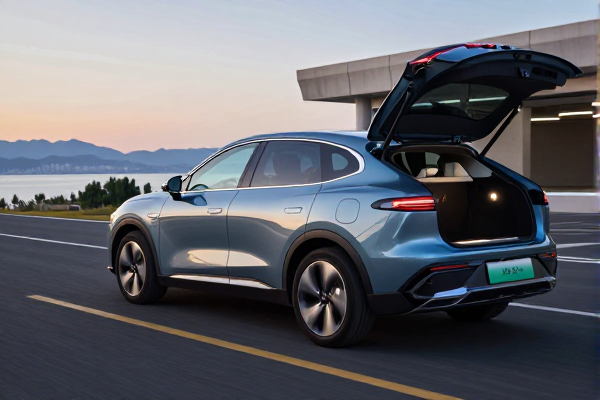
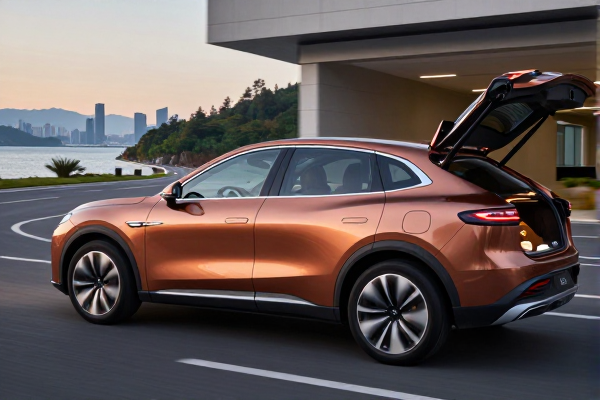
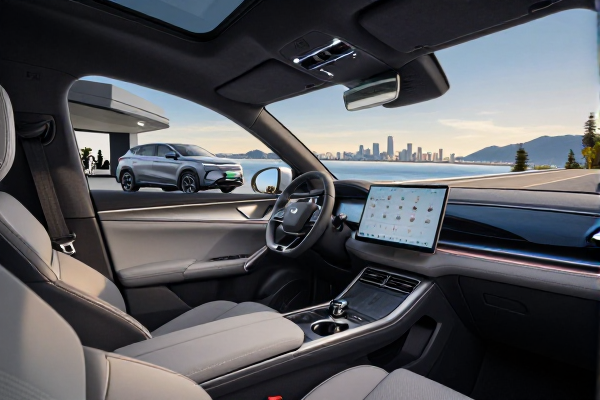
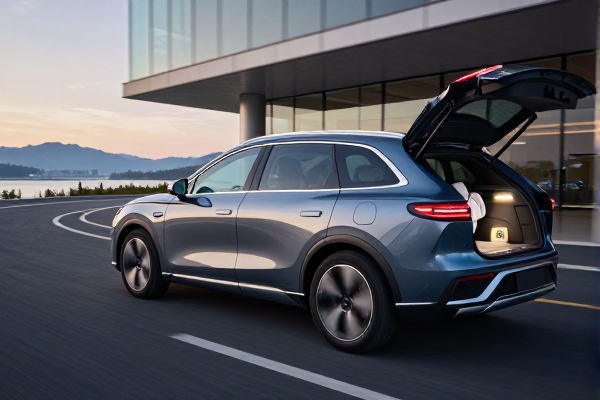
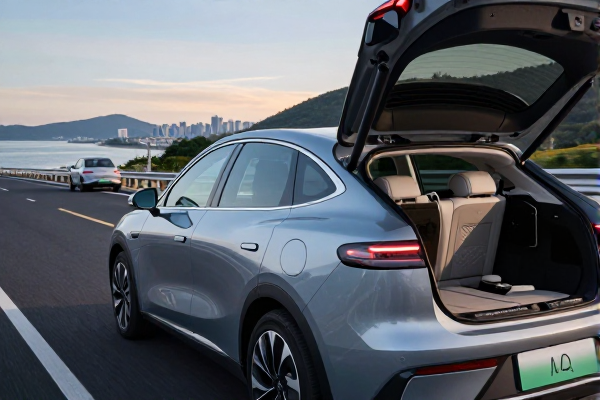
The most visible change is in the mix of industries. Manufacturing remains the bedrock of Anhui's economy, and its high-quality development index keeps improving as the shares of high-tech manufacturing, strategic emerging industries, equipment manufacturing and electronic information all rise. Equipment manufacturing alone has expanded from 33.5 percent to 42.4 percent of total manufacturing output. New energy vehicles, integrated circuits and robotics are leading the growth; NIO, the electric-car maker, operates a major assembly plant in the provincial capital, and memory-chip producer CXMT is based in Hefei. Traditional industries such as steel, textiles and home appliances are being refitted along higher-end, more intelligent and greener lines rather than being phased out.
How goods are produced is changing just as fast. Since 2021, the number of industrial enterprises above a designated size that have completed digital transformation has climbed from fewer than 1,000 to 17,000 -- almost 70 percent of all major industrial firms in the province. Smart factories, green factories and "lighthouse" factories named by the World Economic Forum are increasingly common across Hefei and neighboring industrial cities. The efficiency gains are measurable: average tax revenue per mu of industrial land rose from 166,000 yuan to 232,000 yuan, while energy consumption per unit of industrial value added fell 14.2 percent. In plain terms, Anhui is getting more output and more tax from the same land while burning less energy. A decade ago, such factories were rare in this part of China; today they are a selling point in investment pitches.
Innovation is the thread connecting these changes. Invention patents per 10,000 residents have doubled since the end of 2020, and the province is reporting a steady flow of first-of-its-kind equipment and first-batch products. Officials say R&D priorities now line up closely with industrial ambitions: companies are investing in pilot lines and testing before scaling up, competing on technology rather than labor cost. That shift has direct consequences for foreign competitors and partners.
The convention has also become Anhui's most effective bridge to global markets. First held in 2018, it has grown into one of China's largest industrial gatherings, regularly drawing thousands of domestic and overseas exhibitors. The 2025 edition produced 735 cooperation projects with combined investment of 380.2 billion yuan, including 647 projects in ten key emerging industries valued at 329.6 billion yuan. For the 2026 session, organizers have already identified 946 cooperation projects involving more than 400 billion yuan in investment. Dedicated sessions on cross-border industrial matchmaking and support for small and medium-sized enterprises going global are helping overseas firms find local partners and giving Anhui suppliers access to buyers abroad. Organizers report growing interest from North American and European companies, particularly in automotive components, clean energy and industrial software, as multinationals look for alternative sourcing bases inside China.
Anhui is already mapping the next wave of industries: quantum technology, biomanufacturing and hydrogen energy. Several of these fields have moved from laboratory to pilot production, giving the province an early-mover advantage. The stated goal is to strengthen the entire chain from research, development and testing to market application, weave artificial intelligence and the industrial internet more deeply into advanced manufacturing, and build dense industrial clusters around leading companies. Hefei's research base -- including the University of Science and Technology of China and a growing number of national laboratories -- provides raw material for those bets, while provincial policies continue to emphasize attracting external investment, technology and talent.
Underpinning all of this is people. Anhui has more than 100 colleges and universities, and local governments have courted overseas-trained engineers and returnees with housing subsidies, research grants and equity incentives. The result is a labor pool that combines the cost advantages of inland China with skills usually associated with coastal technology hubs -- an edge that provincial officials say often decides where companies build their next factory. Recruiters say competition for experienced engineers is fierce, yet the province's improving cities and deep research infrastructure help close deals.
For American readers, the Anhui story is more than a provincial success narrative. The rise of WEF-recognized lighthouse factories in the province underlines that best-in-class production methods are no longer confined to a few global champions in Germany, Japan or the United States. For U.S. policymakers tracking technology competition, Anhui's fast advance in electric vehicles, memory chips and industrial robotics is a reminder that China's manufacturing upgrade is proceeding quickly in interior regions, not just in coastal megacities.
It is also a business story. American suppliers of automation equipment, semiconductor tools and testing services have been regular participants in Anhui's matchmaking sessions, drawn by a market that combines the scale of China's domestic demand with lower operating costs than Shanghai or Shenzhen. For smaller overseas firms, support programs covering local regulations and joint-venture partnerships are designed to lower the barrier to entry.
The 2026 World Manufacturing Convention will open in September amid persistent trade tensions, rapid advances in AI-enabled production and a fundamental rethink of global supply chains. If the preparatory data are any guide, Anhui intends to use the event to argue that its manufacturing model -- more digital, greener and more innovation-driven -- can compete with any in the world. Once again, the world will be watching Hefei.