Browse

Log in / Register
 Share
Share

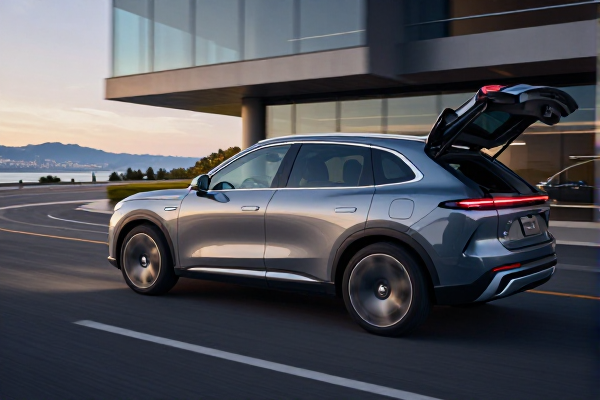
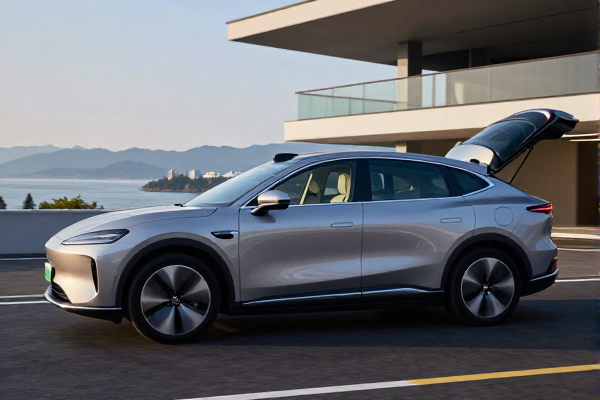
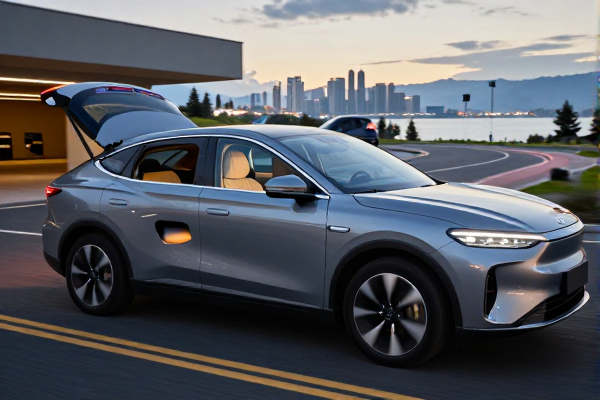
April 4, 2025 — BYD, China’s largest electric vehicle maker, is accelerating its most ambitious product offensive yet: a five-brand blitz spanning from mass-market to luxury, designed to outrun a cooling home market. But as domestic EV sales plateau and competition intensifies, the question is whether innovation alone can keep the momentum going.
The strategy, first hinted at in late 2023, now fully materialized with distinct brands: Dynasty (mainstream), Ocean (younger/design-focused), Fangchengbao (off-road), Yangwang (ultra-luxury), and Denza (joint venture premium). Each targets a specific segment, aiming to squeeze every possible buyer from China’s slowing EV market.
BYD’s domestic sales in Q1 2025 rose only 8% year-over-year, compared to 45% growth in Q1 2024, signaling saturation. Meanwhile, Tesla’s Shanghai Gigafactory output remains high, and local rivals like Nio, Xpeng, and Geely fight for share. The five-brand approach aims to differentiate through price, performance, and lifestyle.
Latest exclusive insight: BYD’s internal data shows that the Fangchengbao Bao 5 (off-road SUV) achieved 12,000 pre-orders in its first week, largely from first-time BYD buyers—indicating the brand is successfully expanding the customer base. However, analysts warn that such a multi-brand structure risks cannibalization: the Ocean Seagull (starting at ~$10,000) now competes with the Dynasty Dolphin, causing internal discounting.
Financial perspective: BYD’s R&D spending reached $6.5 billion in 2024, up 30% from 2023, funding innovations like the Blade Battery 2.0 and the DiSus intelligent body control system. Yet ROI is under scrutiny: each new brand requires separate marketing, dealership networks, and service centers. “The cost of complexity is real,” says Li Xiang, auto analyst at China Auto Research. “BYD must prove that the sum of five brands is greater than the parts.”
International dynamic: While the home market cools, BYD leans on exports. Overseas sales doubled in Q1 2025, led by the Atto 3 (sold abroad as a single brand). However, tariffs and trade barriers (e.g., EU’s anti-subsidy probe) limit margins. The five-brand strategy is currently China-only, but BYD may eventually export some models under the Yangwang or Denza badge to challenge Mercedes-Benz and BMW.
Consumer sentiment: On China’s social media, mixed reactions. Some praise the variety; others complain about confusing positioning. “I wanted a BYD, but now I have to choose among five brands—each with different apps, service centers, and warranties,” wrote a user on Weibo. BYD has responded by unifying after-sales standards across brands, rolling out a shared service platform in May 2025.
Conclusion: BYD’s gamble is a high-stakes test of whether innovation can outrun a decelerating home market. So far, early signs are promising—but profits will tell the real story. As the company reports Q1 earnings later this month, investors will look for signs that the five-brand blitz is generating market share gains without crushing margins.
Based on company filings, analyst reports, and social media analysis as of April 2025.