Browse

Log in / Register
 Share

Editor’s note: This independent powertrain overview is based on preliminary market intelligence and the current BMW X1 (U11) lineup. BMW has not officially confirmed the 2027 model-year engine range as of April 26, 2026.
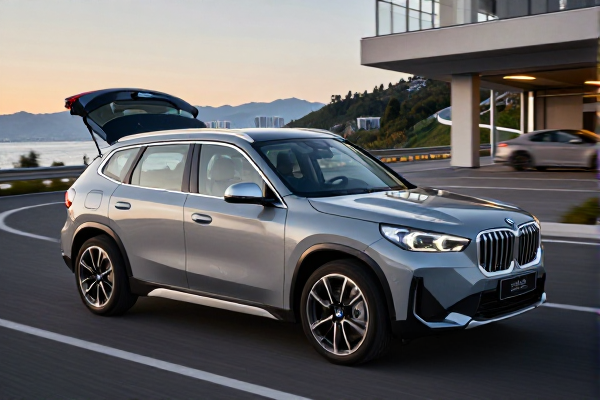
If you are shopping for the next BMW X1, the engine lineup is likely the first thing you are trying to pin down. The 2027 facelift is expected to carry over the current generation’s petrol, diesel and plug-in hybrid powertrains, but with a few important caveats. Here is what industry reports and preliminary catalogue data suggest — and where you should keep your expectations flexible.
According to Motor.es and other European market forecasts, BMW will continue with a broad mix of combustion and electrified options for the facelifted X1. The internal combustion engines stay on sale alongside two plug-in hybrids, which gives buyers more choice than in many compact SUVs today.
Power in the range spans from a modest 100 kW (136 hp) entry-level petrol to 240 kW (326 hp) in the top plug-in hybrid. That places the X1 facelift clearly in the high-performance end of the compact premium SUV segment — at least in its range-topping form.
Drive configurations split between front-wheel-drive models and xDrive all-wheel-drive versions. Three front-driven variants and four all-wheel-drive versions make up the likely catalogue.
The table below is a preliminary overview based on the current Czech price list for the U11 generation. BMW has not provided official confirmation for the facelift, and final naming or outputs may change.
| Version | Fuel | Power | Gearbox | Drive layout |
|---|---|---|---|---|
| sDrive18d | Diesel | 110 kW / 150 hp | Automatic | Front-wheel drive |
| xDrive23d | Diesel | 155 kW / 211 hp | Automatic | All-wheel drive |
| sDrive18i | Petrol | 100 kW / 136 hp | Automatic | Front-wheel drive |
| sDrive20i | Petrol | 125 kW / 170 hp | Automatic | Front-wheel drive |
| xDrive23i | Petrol | 160 kW / 218 hp | Automatic | All-wheel drive |
| xDrive25e | Plug-in hybrid | 180 kW / 245 hp | Automatic | All-wheel drive |
| xDrive30e | Plug-in hybrid | 240 kW / 326 hp | Automatic | All-wheel drive |
Notice that every version is paired with an automatic transmission and that BMW has dropped the manually shifted models in this facelift cycle, following the trend toward convenience and electrified integration.
The sDrive18i acts as the entry point to the BMW X1 lineup. With 100 kW and 136 hp, it is not designed to excite, but it keeps ownership costs predictable for city and suburban driving. The sDrive20i upgrades you to 125 kW (170 hp) — likely the sweet spot for most US and European buyers who want decent acceleration without moving to all-wheel drive.
Above that, the xDrive23i brings 160 kW (218 hp) plus BMW’s xDrive all-wheel-drive system. This is the model to pick if you live in an area with harsh winters or simply prefer the extra traction and confidence that all-wheel drive provides. It also gives a power-to-weight ratio that feels genuinely enthusiastic in a compact SUV.
While diesel is increasingly rare in North America, European markets continue to support it. The sDrive18d offers 110 kW (150 hp) and front-wheel drive — a straightforward high-efficiency option for high-mileage drivers.
The xDrive23d raises output to 155 kW (211 hp) and adds all-wheel drive. For motorway cruising and trailer towing, this version remains a strong argument for diesel in the compact SUV class. BMW has not revealed torque figures for the facelift yet, but U11 owners already report muscular low-end response on the 23d.
The X1 facelift keeps two PHEV options. The xDrive25e combines an internal combustion engine with an electric motor for a system output of 180 kW (245 hp). The xDrive30e tops the range at 240 kW (326 hp).
Both are all-wheel-drive through the hybrid system. BMW’s strategy here is not just about low emission labels: the higher-output xDrive30e is positioned as a performance-oriented electrified model in the lineup.
Battery capacity and electric range for the 2027 facelift are not yet confirmed. The current X1 PHEVs use lithium-ion batteries with a usable capacity around 14 kWh for up to roughly 50–60 km of WLTP electric range, but the facelift could bring improvements. If BMW follows its latest E-drive technology, buyers may see a modest range increase without major weight penalties.
It is worth stressing: none of the above model designations and outputs have been officially confirmed by BMW for the 2027 facelift. The data models continuity with the current U11 generation and likely entry-level catalogue entries.
Final power figures, standard equipment, and even the existence of some versions could change before the world premiere. BMW may also adjust the range to meet stricter Euro 7-style regulations, which could affect diesel availability in some markets.
Using a comparator of 15 compact SUV petrol versions, the average power output in the class is about 128.0 kW. The X1’s expected average petrol power across its three versions is around 128.3 kW. That places the BMW right at the segment benchmark.
Segment average weight is 1,582 kg, translating to roughly 80.1 kW per tonne. Because BMW has not published kerb weights for the facelift, we cannot state the final X1 ratio yet. Still, given similar architecture to the current model, expect it to land close to that figure.
Reliability is a key concern for long-term owners. The TÜV Report, which evaluates German-market vehicle inspections, shows BMW with an average defect rate of 25.1%, placing the brand 10th out of 14 rated brands. That metric refers to the overall brand, not specifically the X1 facelift or its future engines.
It is worth remembering that powertrain issues are only one part of the reliability picture. Electronics, suspension components and infotainment systems also factor into defect rates. If you are choosing between the petrol, diesel and plug-in hybrid versions, the PHEVs add more complexity — which often means more potential failure points, though actual outcomes vary by generation.
The finalized facelift will also bring official numbers for:
Until BMW releases full data, these fields in AutoHD’s comparison tool remain empty. Keep in mind that the facelift is supposed to bring small efficiency gains and updated software rather than a completely new platform. Structural changes are unlikely to be dramatic.
If you are in the market for a 2027 BMW X1, the most practical approach is to compare the expected powertrain mix with your driving profile. The sDrive20i is the balanced pick for most buyers. The xDrive30e makes sense if you want maximum performance and can charge regularly. The diesel options still serve long-distance drivers exceptionally well.
For full specifications, equipment lists and photos, visit the BMW X1 2027 model page once the official facelift is unveiled. In the meantime, this engine guide gives you a realistic preview of what BMW is likely to offer. As with any pre-production information, treat the figures as projections — not promises.