Browse

Log in / Register
 Share


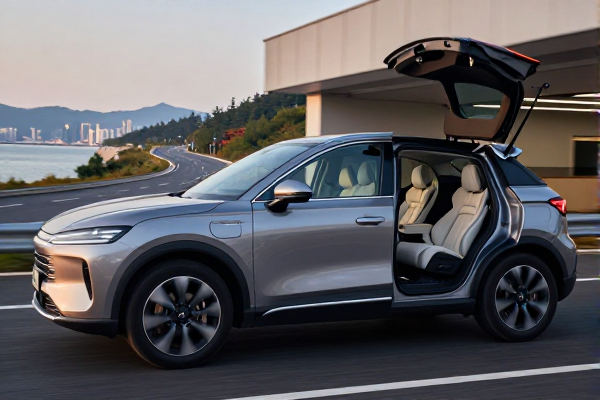
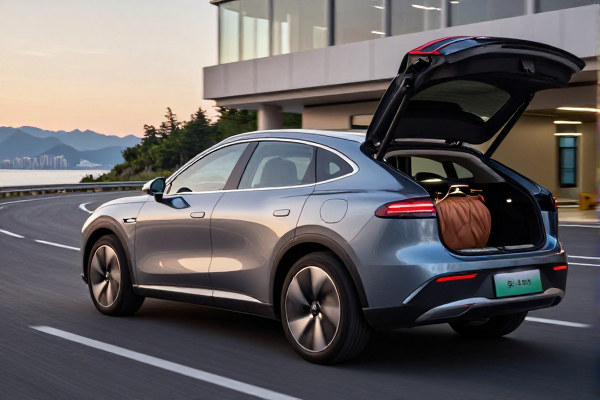
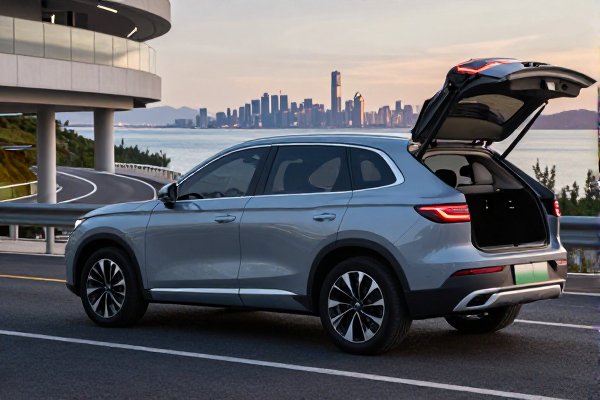
First Drive: The BMW iX3 Delivers a Jekyll and Hyde Performance March 15, 2024 — The automotive world’s early whispers about the all-new, ground-up electric BMW iX3 were effusive, bordering on hyperbole. Hailed as a potential benchmark, it entered a segment crowded with compelling electric SUVs. To separate fact from fanfare, we put it through a rigorous evaluation that included both public roads and a demanding handling circuit. The result is a tale of two distinct characters: a poised and agile track weapon, and a comfortable yet sometimes firm road cruiser that leaves room for discussion.
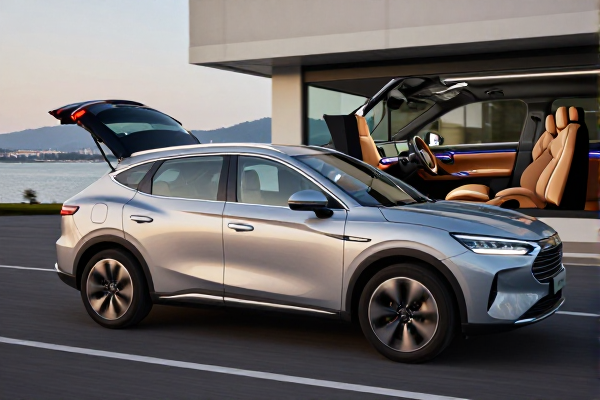
Under the Neue Klasse Skin This isn’t a conversion job. The iX3 is the inaugural model from BMW’s dedicated “Neue Klasse” EV architecture, a clean-sheet design that promises a new era for the brand. The test vehicle was a European-spec iX3 50 xDrive M Sport, featuring dual motors sending 469 horsepower and 645 Nm of torque to all four wheels, enabling a claimed 0-60 mph sprint in approximately 4.6 seconds. The sizable 113.4 kWh battery pack targets a WLTP range near 500 miles. The technological centerpiece is the “Heart of Joy,” a central computer that integrates control over the powertrain, steering, and braking, aiming for unprecedented harmony.
The Open Road: A Question of Compliance Initial miles on varied asphalt revealed the iX3’s refined daily demeanor. The powertrain is smooth and instantly responsive, with a progressive throttle map that avoids the neck-snapping jerkiness of some EVs. A standout feature is the “Soft Stop” function, which brings the vehicle to a halt with a natural, lurch-free finish—a small detail with a major impact on comfort.
However, the ride quality on our test vehicle, equipped with optional large-diameter alloy wheels, presented a nuanced picture. Over sharper imperfections, the suspension transmitted more feedback into the cabin than anticipated based on some early European reviews. It’s crucial to note that this is a point of contention among international testers. Some find the ride impeccably settled, while others echo our experience, noting a firmness that some buyers might wish could be softened via adaptive dampers—an option not currently offered. This suggests ride quality may be highly sensitive to wheel choice and local road conditions, a key consideration for U.S. buyers.
The Handling Circuit: Where Physics Seem Rewritten Any skepticism about this 2.3-ton SUV’s dynamics vanished on the handling course. Through rapid slaloms and tight corners that would unsettle most vehicles in this class, the iX3 remained flat, composed, and utterly committed. The level of grip and body control is extraordinary, making the hefty SUV feel several hundred pounds lighter. It ranks among the most engaging and confidence-inspiring electric SUVs we’ve piloted on a closed course.
This agility is more remarkable because it’s achieved without active air springs or adaptive dampers. The magic stems from the Heart of Joy computer, which orchestrates torque vectoring and brake-based torque shuffling between axles with millisecond precision. The hardware is static, but the software’s dynamic management creates a palpably nimble driving experience.
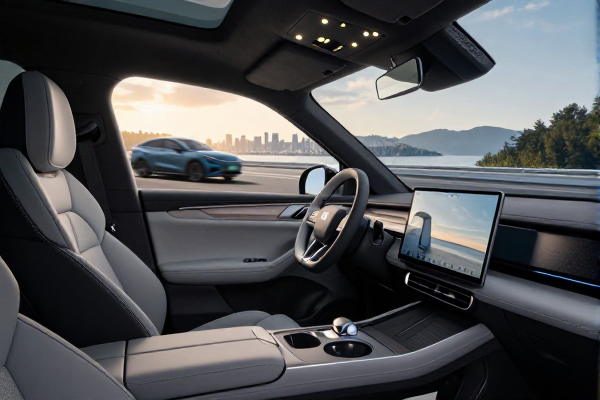
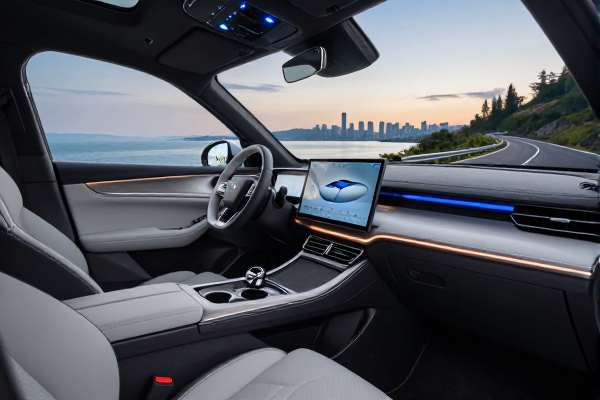
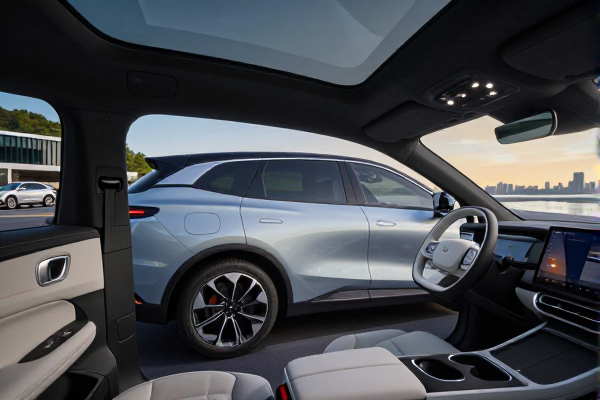
A Glimpse at the Tech-Focused Cabin The iX3 introduces BMW’s next-generation interface, dominated by the Panoramic Vision—a projected information band spanning the lower windshield. Contrary to initial concerns, it sits low enough to avoid obscuring the road and quickly becomes an intuitive part of the driver’s peripheral vision. It works in concert with a new 3D head-up display and a steering wheel with backlit, touch-sensitive controls. While the full depth of this tech ecosystem will be explored in a longer-term test, the first impression is one of focused, driver-oriented innovation.
U.S. Market Outlook and Competitive Landscape BMW has confirmed the iX3 for the American market, with arrivals expected in late 2026 as a 2027 model. It will be sourced from BMW’s new plant in Debrecen, Hungary. Final U.S. specifications, trim levels, and pricing are not yet announced, but it will enter a fierce battleground.
Exclusive Perspective: The American EV SUV Context The iX3’s arrival will coincide with an evolved and brutal competitive field. Its immediate rivals will include the Tesla Model Y Performance, the upcoming electric Porsche Macan, and premium offerings from Genesis and Mercedes-EQ. The iX3’s potential advantage lies not in raw power or range—where many competitors will match it—but in its chassis polish and driver engagement. In a segment often prioritizing comfort or straight-line speed, the iX3’s startling track competence offers a unique proposition. However, its final success will hinge on BMW North America’s spec decisions, particularly the standard wheel size and the potential inclusion of a comfort-oriented suspension option to suit diverse American roads.
Preliminary Impressions A curated first drive is not a definitive review. A final verdict requires extended time on U.S. roads at confirmed U.S. pricing. Yet, the iX3 makes a formidable first impression. It is the most convincing electric BMW to date, masterfully blending serene daily usability with sports-car-like agility that defies its physical mass. It presents a compelling, driver-focused alternative in the premium electric SUV space, assuming its road manners can be tailored to please the American palate. For enthusiasts waiting for an EV that prioritizes the joy of driving, the iX3 has just become a significant contender.