Browse

Log in / Register
 Share
Share
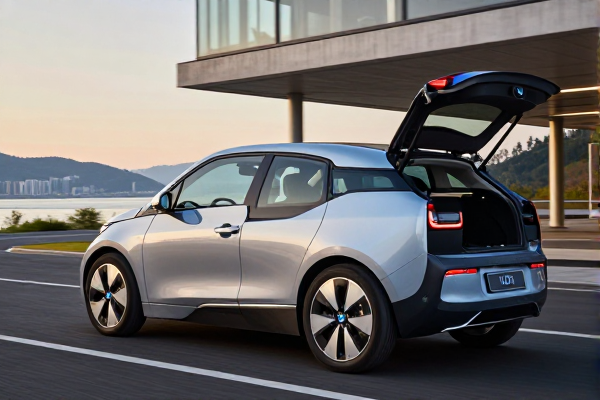
September 24, 2025 — BMW is opening U.S. reservations for the new i3 electric sedan on Sept. 29, a week earlier than expected. The automaker has confirmed the date through customer emails and its U.S. website, following a BMWBlog report that had previously pointed to an early October opening. Buyers who signed up for updates got a heads-up Wednesday telling them to get ready.
The calendar shift is small, but the signal is clear: BMW doesn't want to waste momentum. The iX3 SUV, which shares the new Neue Klasse platform, has already pulled in more than 100,000 European orders. Now BMW is making sure the i3 sedan gets a fast start in the U.S., where the Tesla Model 3 has had the electric sedan segment mostly to itself.
BMW's U.S. configurator page shows the 2027 i3 arriving in exactly one flavor at launch: the i3 50 xDrive. No rear-drive base model, no high-performance variant yet. Just a single, well-equipped sedan with dual motors.
The combined output lands at 463 horsepower and 476 pound-feet of torque. That instinctively invites comparisons to the Model 3 Performance, but the i3's character is likely pitched toward a calmer, more mature driving experience rather than launch-control theatrics. It's a luxury EV first, a street racer second.
The reservation mechanics haven't been spelled out in detail, but BMW's iX3 playbook offers a template. Buyers will probably enter the online configurator, pick exterior color, wheels, interior trim, and options, then put down a refundable deposit. Expect that deposit to land near $1,000, though BMW hasn't given an exact figure for the U.S. market.
The i3's electrical hardware deserves at least as much attention as its horsepower. The sedan rides on an 800-volt architecture, capable of accepting up to 400 kilowatts of DC fast charging. That puts it right alongside the fastest-charging EVs on the market.
Even better for U.S. buyers: the i3 includes a native North American Charging Standard (NACS) port. There's no adapter to fumble with at Tesla Supercharger stalls. That matters more than almost any spec on the sheet. For years, the biggest practical knock on non-Tesla EVs was the charging network. BMW just erased that objection in one trim decision.
What BMW hasn't disclosed yet is the battery size and EPA range. The brand is staying quiet on those numbers for now, but the 800-volt architecture and the platform's European positioning suggest a realistic three-figure range on the EPA cycle. Official figures will presumably land with the pricing announcement.
Inside, the i3 breaks cleanly from BMW's current dashboard layouts. The Neue Klasse cabin centers on a 17.9-inch touchscreen, a full-width Panoramic Vision display, and an optional 3D head-up display. There's no traditional instrument cluster in front of the driver; instead, key driving information is projected into the windshield line of sight.
It's a minimalist approach, but not a sterile one. Leather and recycled materials mix in ways that feel distinctly BMW, and the panoramic display is designed to make the cabin feel broader than it actually is. European first-drive impressions suggest the new layout is a meaningful leap over the iX and the old i3.
BMW has not announced pricing. Electrek estimates the i3 will start between $55,000 and $60,000, using the iX3's $61,500 base price as the reference point. A sedan positioned below its SUV sibling would normally come in several thousand dollars cheaper, so the i3 could settle near the low end of that range.
At that level, the i3 undercuts the iX3 while still sitting well above the Tesla Model 3's $38,630 entry price. The Mercedes-Benz CLA EV starts at $47,250, which means the i3 would be competing in a higher behavioral neighborhood — one where buyers weigh brand and design as heavily as price and range.
There's a risk in launching only an xDrive model. It sets a relatively high floor for the nameplate and leaves cheaper versions for later. It also means the average transaction price lands closer to $60,000, which is not mass-market territory. Yet BMW has rarely been interested in competing at the low end.
Moving the reservation date by a week might look like an operational detail. In the EV world, it's a marketing weapon. A strong first-week reservation count becomes a positive news cycle all by itself, and BMW can publish that number while rivals are still planning their launches.
It also signals supply confidence. Opening the configurator early suggests BMW believes it can match demand with production slots and stick to the 2027 timeline. The same tactic worked in Europe, where i3 orders opened ahead of schedule. The U.S. is now following that exact playbook.
One open question remains: whether early U.S. reservations will be capped or allocated in waves. BMW's email to customers reportedly pushed a "get ready" tone, implying that first batch could fill quickly. Whether that's genuine scarcity or classic launch theater, Sept. 29 will reveal it.
Reservations open Sept. 29 on BMW's U.S. website. Pricing is expected to drop shortly after, giving buyers enough detail to finalize their configurations before locking in a deposit. Deliveries will happen during the 2027 model year, with reservation holders presumably first in line.
For anyone waiting on the i3, the next few days are the ones that count. BMW has already moved up the timeline once. The remaining unknown is whether the first U.S. allocation disappears as fast as European orders did.