Browse

Log in / Register
 Share

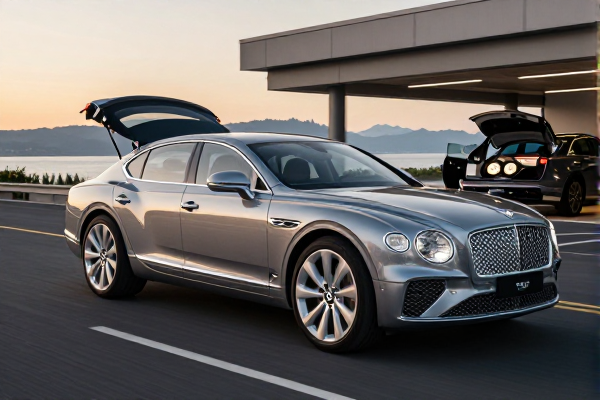
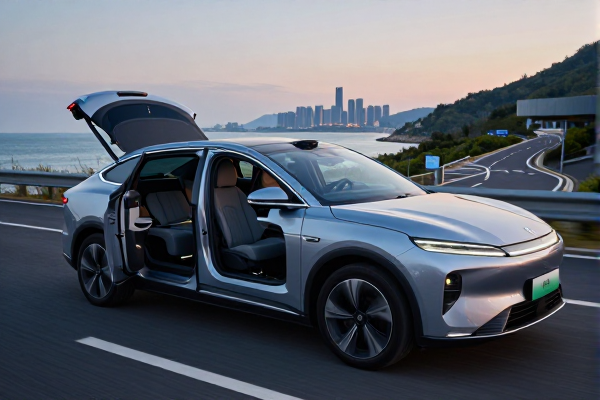
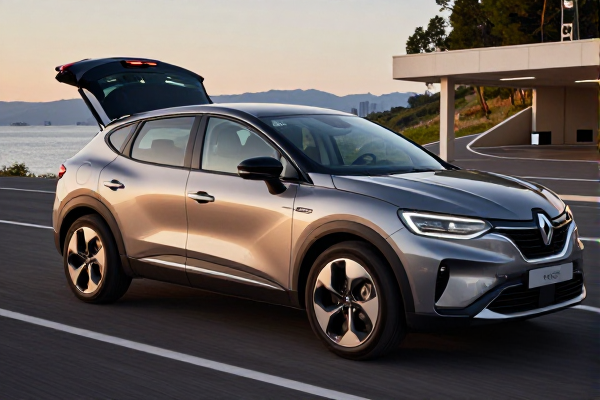
Bentley has officially taken the wraps off its first fully electric production vehicle: the Torcal SUV. The car was shown in final form today, March 12, 2026, at the company’s Crewe headquarters, confirming a model that will reach customers in 2027 with a starting price expected to land in the low-$200,000 range. That positioning makes the Torcal the most accessible entry point in Bentley’s lineup, and arguably one of the most important launches in the brand’s modern history.
The road to this moment has been anything but straight. When Bentley first committed to an all-electric future in 2019, the goal was to have a fully electrified portfolio by the end of the decade. That deadline has since been abandoned, and Bentley now plans to keep combustion powertrains—most of them hybridized—on sale for as long as regulations allow. Even so, the Torcal arrives as evidence that the brand has not given up on battery power entirely. It just got there later, and with a different vehicle, than originally planned.
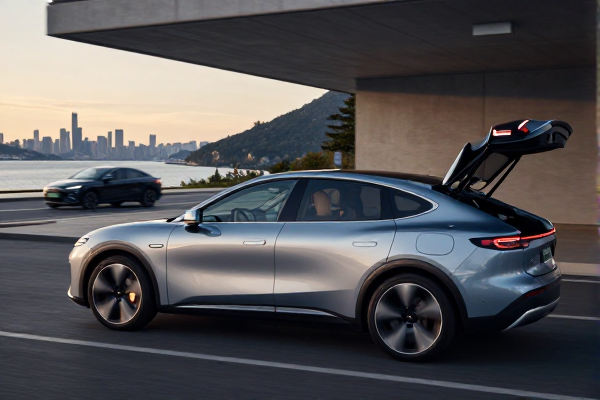
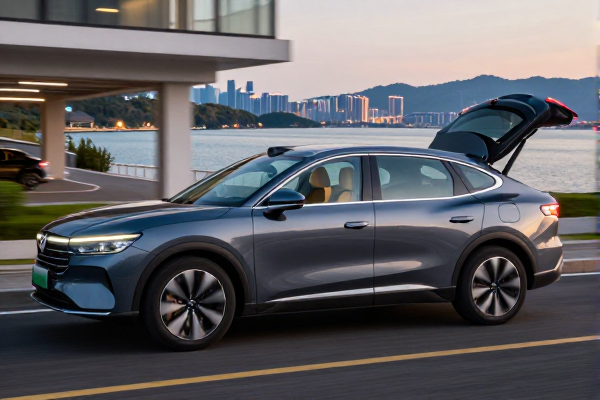
The original concept, the 2019 EXP100 GT, was a sleek two-door coupe with a low-slung silhouette. A later study, the EXP15, suggested an electric SUV coupe with Continental-inspired styling. Neither of those fully prepared the world for the finished Torcal. The production SUV is a four-door, five-seat model that is both lower and shorter than the Bentayga, sitting at 196.2 inches overall length. That dimension is closer to the Continental GT’s 192.6 inches than the regular-wheelbase Bentayga’s 201.8 inches. The wheelbase is 119.0 inches, matching the Porsche Cayenne Electric, with which the Torcal shares its platform and a significant portion of its electronic architecture.
Two versions will be available at launch: the standard Torcal and the more powerful Torcal S. Both use a dual-motor all-wheel-drive setup powered by the same 113-kWh battery pack fitted to the Cayenne Electric. Usable capacity is 108 kWh, and the system runs on an 800-volt electrical architecture. Bentley says that allows DC fast-charging at up to 400 kW, matching the Porsche, which could bring a 10-to-80-percent top-up in about 16 minutes under ideal conditions. EPA range figures have not been released, but the claimed European WLTP number of 375 miles should translate to more than 300 miles on American roads.
Performance numbers put the Torcal firmly in super-SUV territory. The standard car develops peak outputs of 809 hp and 880 lb-ft of torque, while the Torcal S raises that to 875 hp and 995 lb-ft when launch control is engaged. Bentley estimates a 3.4-second 0-60 time for the standard Torcal and a 2.9-second run for the S model. Top speed is limited to 155 mph for the base car and 162 mph for the S. Those figures mean the Torcal S will likely become the quickest accelerating production Bentley ever tested, even if it just misses the 0-60 time quoted for the Continental GT Speed plug-in hybrid.
The shared Cayenne Electric platform also brings Bentley’s version of Porsche’s Active Ride suspension. Instead of conventional anti-roll bars, hydraulic actuators actively counteract body movement. Bentley says the system was tuned to prioritize refinement and comfort while still allowing the Torcal to corner harder than any previous four-door Bentley. Unlike the Porsche, the Torcal does not lean into corners like a motorcycle, but it does come with active rear steering as standard equipment. That combination is intended to make a near-6,200-pound vehicle feel smaller and more agile than its size suggests.
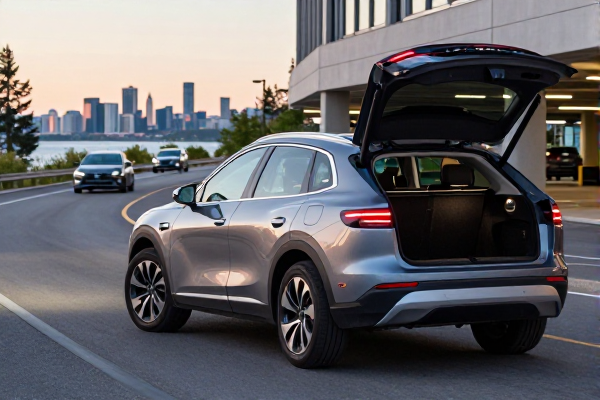
Visually, the Torcal is unmistakably modern but not instantly recognizable as a Bentley. The front end uses a closed-off “grille” panel with diamond-shaped illuminated elements behind clear glass, a motif first previewed on the EXP15 concept. At the rear, a shield-shaped graphic inside the tailgate echoes design cues found on current Range Rovers and the Aston Martin Vanquish. In person at Crewe, the car has strong physical presence, yet first impressions can leave some observers questioning whether it belongs to the same family as the Flying Spur or Continental. That may be deliberate: Bentley is trying to attract a new generation of buyers with a different visual language.
Luxury amenities are plentiful. The launch-edition Torcal S includes power-operated doors as standard, with the ability to open all four at once for a dramatic arrival. Less expensive versions offer the doors as an option. The charging ports are also motorized, with one located on each side to handle AC and DC charging. Projectors under the doors can cast animated light displays onto the ground when the vehicle is opened at night.
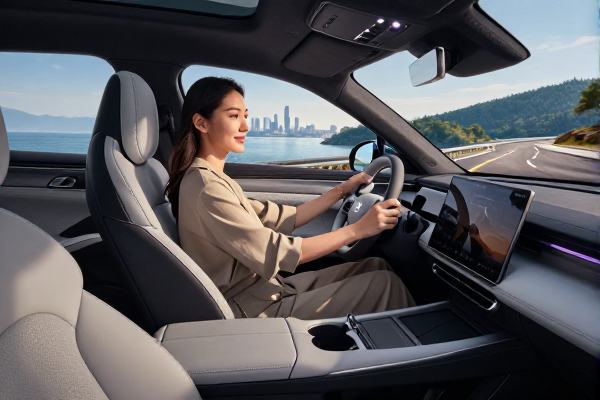
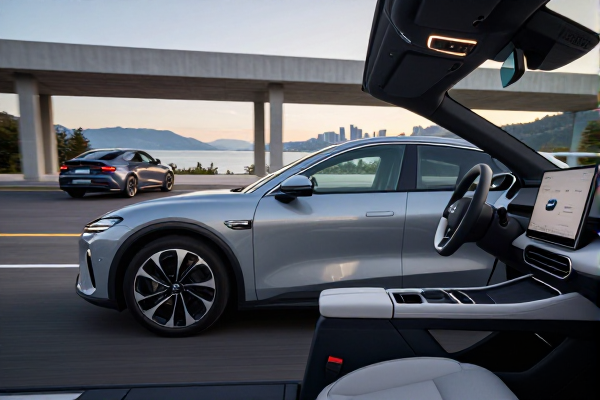
Inside, the Torcal moves Bentley more decisively into the digital age than any prior model. The dashboard is dominated by a large curved touchscreen similar in concept to the one used in the Cayenne Electric, though Bentley engineers stress that the display itself is unique to the Torcal. There is no separate passenger-side screen, a deliberate choice to keep the cabin feeling clean and focused. The instrument cluster is fully digital, which may disappoint traditionalists. A rendered speedometer dial is projected through a crystal-glass effect, and the first drive of each day triggers a short animation of a butler’s hand placing that glass onto the display. The dashboard air vents are adjusted via the central touchscreen rather than through Bentley’s familiar metal organ-stop controls, a change that removes a tactile connection to the brand’s heritage.
Sound design has also received unusual attention. Because the Torcal is naturally near-silent, Bentley commissioned a range of synthetic audio cues. The simulated engine sound is created by a human drummer matching the rhythm of a V-8, while the turn-signal click is a recorded leatherworking hammer. Summoning the onboard digital assistant produces a tone recorded from a finger circling the rim of a wineglass. Drive modes are tied to moods rather than just driving dynamics, with settings labeled Welcome, Energize, Bentley, Sport, Comfort, and Refresh.
Weight is substantial, even by Bentley standards. The battery pack alone accounts for 1,375 pounds, helping push the Torcal to a claimed 6,150-pound curb weight. That is more than 600 pounds heavier than the Continental GT Speed with its plug-in hybrid powertrain. Yet in the context of the electric luxury SUV segment, the Torcal is not an outlier; it is slightly lighter than the Volvo EX90.
The timing of the launch is controversial. Since Bentley first outlined its EV strategy, several competitors have retreated. Aston Martin and Lamborghini have both canceled their dedicated electric programs, and demand for luxury EVs has grown more slowly than expected. Bentley CEO Frank-Steffen Walliser is unapologetic about the delay. He argues that bringing the Torcal to market in 2027 is strategically better than arriving in 2022 or 2023 or even 2025, when charging infrastructure and customer acceptance were less mature. He also says the lower entry price is intended to lower the barrier to joining the Bentley ownership club.
Walliser made clear that he would not swap the Torcal for a plug-in hybrid, even with the benefit of hindsight. But he admitted that the Bentayga range is missing a V-8 plug-in hybrid, describing it as the missing piece in the lineup. That comment suggests Bentley’s electrification strategy will remain flexible, with gasoline engines continuing to play a role in other models while the Torcal carries the brand into a new era.
For now, the Torcal represents a calculated bet: an EV that is technologically ambitious, visually distinct, and priced to expand Bentley’s reach. Whether it convinces traditional buyers to go electric will be one of the defining stories of the ultra-luxury market in 2027.