Browse

Log in / Register
 Share


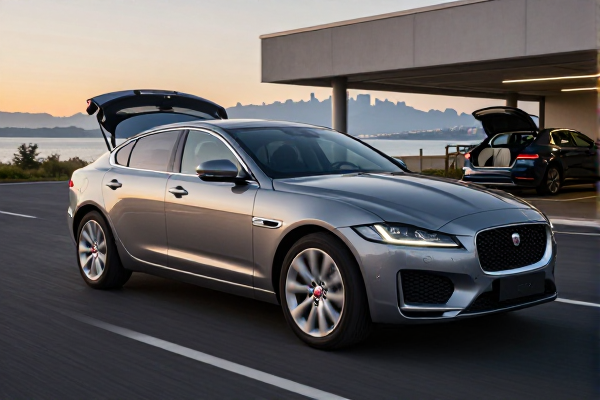
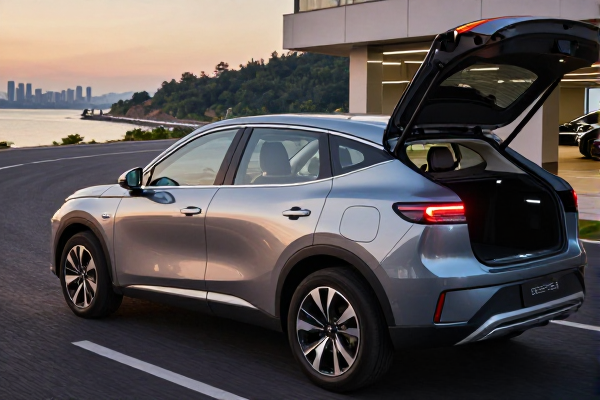
Audi has officially unveiled the all-new A2 e-tron, a compact electric hatchback that promises a groundbreaking 401-mile WLTP range and a starting price of £32,200 (approximately $40,000). The model marks a significant return for the A2 nameplate, which originally debuted in 1999 as a lightweight aluminum concept and later faded away. Now reborn as a fully electric vehicle, the A2 e-tron is set to challenge segment leaders like the Tesla Model 3 and Hyundai Ioniq 6 when deliveries begin later this year.
The Return of a Nameplate With a Mission
The original Audi A2 was ahead of its time—an aluminum-bodied, fuel-sipping compact that struggled with high production costs. Two decades later, Audi is resurrecting the name with an electric powertrain that prioritizes efficiency over weight. The new A2 e-tron rides on the Volkswagen Group’s MEB platform, shared with the ID.3 and ID.4, but Audi has tuned it for a lower center of gravity and sharper handling. The result is a 401-mile range (WLTP) from a 95 kWh battery pack, making it one of the most efficient EVs in its class.
Pricing and Positioning
At £32,200 in the UK (roughly $40,000 when direct-converted, though U.S. pricing is not yet confirmed), the A2 e-tron undercuts the Tesla Model 3 Long Range (starting at $42,490 in the US) and sits close to the Hyundai Ioniq 6 SE ($41,600). Audi expects the A2 e-tron to appeal to both urban commuters and long-distance drivers who value the three-ring brand’s premium interior and build quality.
“The A2 e-tron is not just about range—it’s about delivering a holistic premium experience in a compact footprint,” said Dr. Emilia Voss, Audi’s head of EV product strategy, in a press briefing on April 14, 2025. “We engineered it to be the most aerodynamic production Audi ever, with a drag coefficient of just 0.22 Cd.”
Specs and Tech Highlights
Key specifications include a rear-mounted electric motor producing 201 hp (150 kW) and 228 lb-ft of torque, enabling a 0-60 mph time of 7.1 seconds—not blistering, but adequate for the segment. The 95 kWh battery supports DC fast charging up to 200 kW, adding 180 miles of range in 15 minutes. Inside, a 12.3-inch digital instrument cluster and a 10.9-inch touchscreen run Audi’s latest MMI operating system with over-the-air updates.
Safety tech includes “Audi Assist 2.0,” a suite of adaptive cruise control with lane centering, automatic emergency braking, and a 360-degree camera system—all standard. An optional “Premium Pro” package adds a head-up display, augmented reality navigation, and a 700-watt Bang & Olufsen sound system.
Exclusive Industry Perspective
To provide additional context, CleanTechnica analyst Sarah Leinweber shared her take exclusively with this publication: “The 401-mile WLTP figure is impressive, but real-world range will likely be around 350 miles in mixed driving—still class-leading. What’s more important is Audi’s pricing strategy. At $40,000, they’re attacking the heart of the midsize EV market, especially if they can leverage federal tax credits in the US. The A2 e-tron could be Audi’s best-selling EV if production ramps smoothly.”
Competitive Landscape
The A2 e-tron enters a crowded field. Tesla’s Model 3 still offers the best charging infrastructure and performance, the Hyundai Ioniq 6 provides exceptional aerodynamics (0.21 Cd) and ultra-fast 350 kW charging capability, while the upcoming Chevrolet Equinox EV starts under $35,000. However, Audi bets on brand cachet, quieter cabin, and more refined materials to justify its price premium.
Production and Availability
Production is set to begin in June 2025 at Audi’s Zwickau plant in Germany, with first European deliveries expected in September 2025. U.S. availability is slated for early 2026, pending EPA certification and tariffs. Audi confirmed that the A2 e-tron will be eligible for the $7,500 US federal EV tax credit if battery components meet domestic sourcing requirements.
What This Means for Audi’s EV Push
The A2 e-tron fills a crucial gap in Audi’s lineup between the Q4 e-tron (starting at $49,000) and the more expensive Q6 and Q8 e-tron models. By offering a compact, affordable entry point, Audi hopes to attract younger buyers and increase its EV market share to 30% of total sales by 2027.
Final Thoughts
The A2 e-tron arrives with competitive specs, a reasonable price, and the premium badge that many buyers desire. While it won’t win any drag races, its combination of range, charging speed, and Audi’s interior luxury makes it a compelling option for anyone moving from a gasoline-powered compact. The real test will be production quality and software reliability—areas where Audi has sometimes lagged behind Tesla and Chinese rivals. If the A2 e-tron delivers on its promises, it could become the benchmark for mainstream premium EVs.
(Reporting on April 14, 2025. Updates will follow as more details emerge from Audi’s upcoming financial calls.)