Browse

Log in / Register
 Share


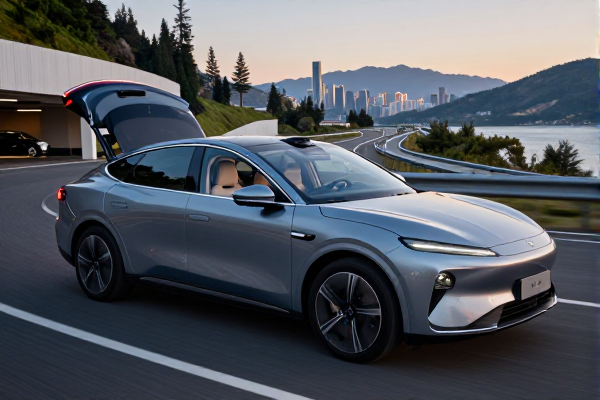
As of April 27, 2026, the Aion UT Cross remains one of the more intriguing electric vehicles still creating buzz from the Paris Motor Show. Aion lifted its practical UT hatchback into a rugged-looking compact crossover, and European orders are expected to open before a 2027 launch. For U.S. buyers, it isn't coming to a nearby showroom, but it is a clear look at where the global EV market is headed.
The UT Cross is not a ground-up design. It is a raised, tougher version of the Aion UT, a small electric hatchback that has already been praised for its spacious interior and strong value. By adding 20mm of ride height, Aion is tapping into the same appeal that made European favorites like the Dacia Sandero Stepway and the old Volkswagen Polo Dune so popular.
That formula has a long history. The late Rover Streetwise is often seen as the pioneer of the "jacked-up supermini" — a car that promised a bit more presence and rough-road confidence without the size or fuel bills of a proper SUV. The UT Cross is the electric-era version of that idea.
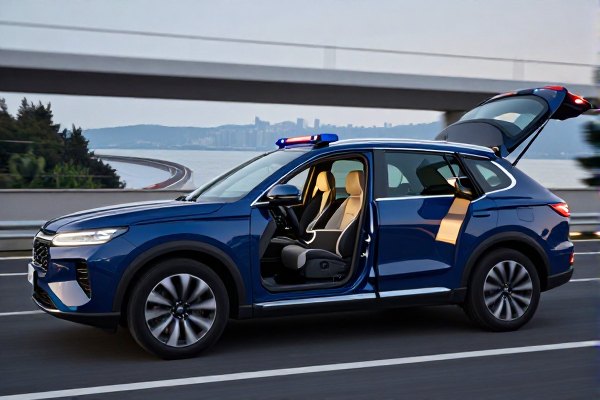
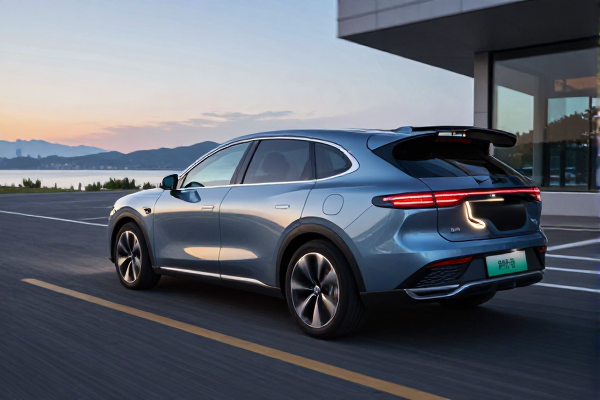
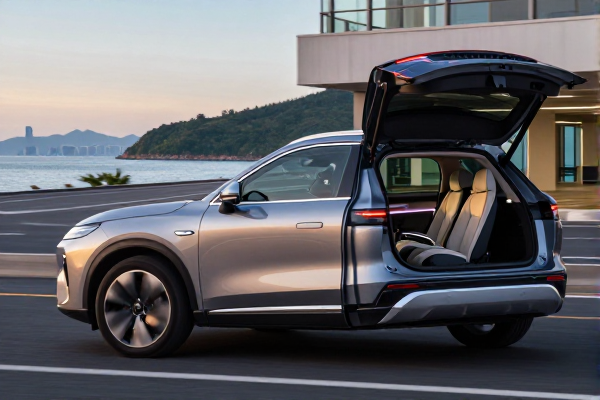
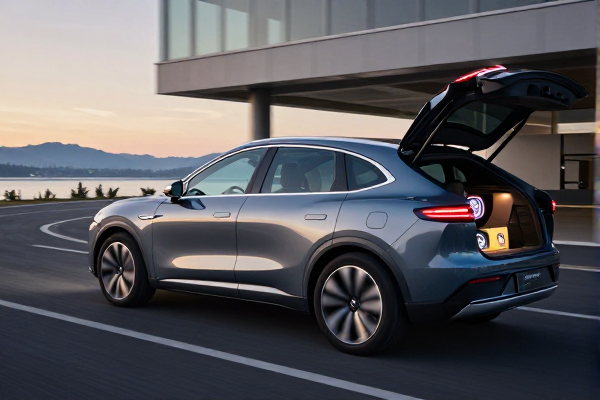
At a glance, the UT Cross is easily distinguished from the standard UT. Matte-black wheel arches and lower body trim give it a chunkier, more protective stance. There is also silver cladding on the front bumper, which adds a subtle off-road flavor. A contrasting white roof paint and black roof rails create a floating-roof effect, while wider tires and a new alloy-wheel design complete the makeover.
These are not cosmetic changes with zero substance. The raised ride height gives drivers better visibility, and the wider tires should provide a slightly more planted feel. It is the kind of styling that usually sells well in Europe, where narrow city streets and tight parking spots make a compact hatchback more practical than a full-size SUV.
Inside, the UT Cross carries over the same cabin design as the regular UT. That is good news because the standard car already punches above its weight for passenger space. Aion’s designers have managed to make the interior feel surprisingly roomy for a vehicle of this size, and the rear seats can accommodate taller adults without too much complaint.
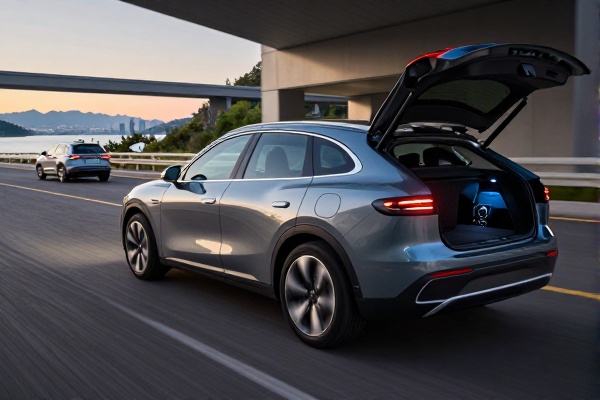
The boot is rated at 440 liters, which works out to about 15.5 cubic feet in American measurements. That puts the UT Cross in line with many small crossover competitors and makes it a genuinely useful runabout. Standard equipment includes a heat pump and a heated steering wheel, which are welcome additions for anyone living in colder climates.
Mechanically, the UT Cross shares its underpinnings with the standard UT. That means a 60-kWh battery pack sending power to a single 201-bhp motor mounted on the front axle. It is a front-wheel-drive-only setup, which makes sense for an urban-focused EV.
Aion has not yet published range figures for the UT Cross. Based on the standard UT’s claimed 268-mile maximum, buyers should expect a modest reduction. The extra ride height, wider tires and slightly heavier bodywork will all chip away at efficiency. Still, even a figure in the mid-240s of WLTP range would be competitive for this segment.
The UT Cross is not a one-off product. Aion, which is the electric-vehicle subsidiary of Guangzhou Automobile Group (GAC), has made it clear that Europe is a core part of its expansion strategy. The brand plans to have eight models on sale in the UK by 2030, with the UT Cross following the Aion V and the standard UT into showrooms sometime in 2027.
This is not just about fleet sales or compliance cars. Aion is attempting to build a mainstream reputation, much like other Chinese brands have done in Europe over the past decade. The Paris Motor Show debut was the brand’s way of saying that it intends to compete on styling, equipment and price, not simply on range anxiety.
Expect the UT Cross to be positioned just over the standard UT in the lineup. A starting price of around £30,000 is likely in the UK, which converts to roughly $38,000 at current exchange rates. That places it against a new generation of compact EVs, including the Renault 4 and the Kia EV4.
Neither of those rivals is a direct copy of the UT Cross, but they all occupy the same practical-minded space: small on the outside, roomy on the inside, and zero-emission under the hood. With that sort of competition, Aion’s value proposition and equipment levels will matter more than badge heritage.
For American buyers, the big question is whether the UT Cross will ever reach the U.S. market. So far, Aion has not confirmed any North American distribution plans. Chinese-built EVs face steep tariffs in the United States, and that makes a direct launch unlikely in the near term.
That is a shame because the UT Cross is the kind of affordable, efficient EV that many American drivers say they want. It is not a luxury product or a tech demo. It is simply a sensible small car that happens to have a rugged design and zero tailpipe emissions.
European buyers do not have to wait for the full rollout to get a sense of the formula. The standard Aion UT is already available in the UK through online retail channels such as Auto Express’s Buy A Car service, where average savings have been close to £1,500 off list price. That gives early adopters a chance to experience Aion’s packaging and driving dynamics before the UT Cross arrives.
For the moment, the UT Cross is best understood as a subcompact crossover for a world that is slowly weaning itself off combustion engines. It doesn’t reinvent the wheel. It simply takes a proven recipe — the small hatchback with a hint of SUV attitude — and electrifies it without adding unnecessary complexity.
The UT Cross matters less for its own spec sheet than for what it signals about the next phase of the EV transition. Chinese automakers are no longer just exporting budget EVs into emerging markets. They are bringing characterful, carefully styled models to auto shows like Paris and aiming squarely at legacy brands.
Aion still has plenty to prove in terms of reliability, dealer support and resale value in Western markets. But the UT Cross suggests the brand understands its customers: people who want the benefits of an electric hatchback, a little extra ground clearance, and a design that does not look like a generic white goods appliance.
The Aion UT Cross is a Paris Motor Show debut that deserves attention, even if it never makes it to the United States. It is practical, stylish in a rugged way, and built around the kind of efficiency that keeps running costs down. With a 2027 launch in Europe, it will be a strong contender in the small EV crossover segment.
American EV shoppers may not be able to buy one, but the UT Cross offers a useful glimpse of the affordable electric cars that are reshaping showrooms around the world. If the formula catches on in Europe, it will be very difficult for other automakers to ignore.