Browse

Log in / Register
 Share

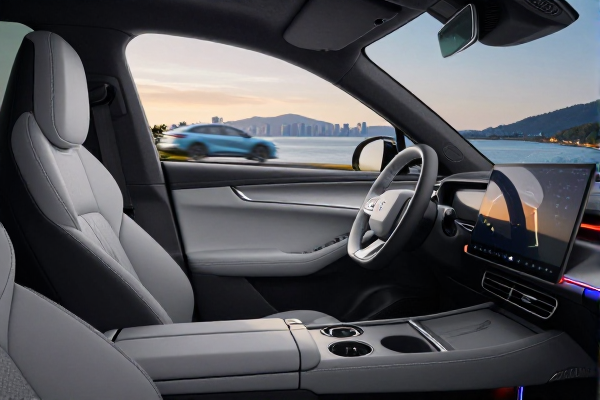
As of April 15, 2025, car shoppers have more gadgets than ever—but not all of them are a net win. While automakers chase regulatory credits and tech appeal, many features end up irritating owners daily. From engine stop/start that won’t stay off to glossy surfaces that look dirty in seconds, here are nine features experts suggest you test—and potentially avoid—before signing on the dotted line.
1. Stop/Start Systems That Restart Your Patience
The engine stop/start feature, designed to save fuel at red lights, has become nearly universal. The EPA ended its compliance credit for stop/start in early 2026, but the feature remains on virtually every new model—even sports cars like the 2026 Ford Mustang GT and Mazda MX-5 Miata. Most cars let you turn it off, but it resets every time you start the engine. Some owners install aftermarket defeat modules to make it stick. Newer vehicles from Hyundai and Kia now offer a longer memory for the off setting—a rare improvement worth asking about.
2. All-Touch Controls Force Eyes Off the Road
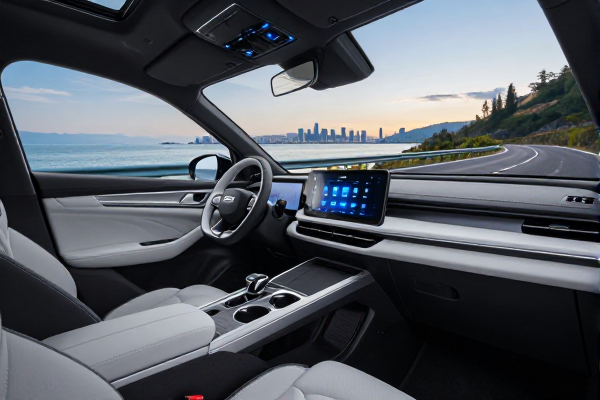
Physical buttons are vanishing, replaced by glossy touchscreens for climate, volume, and even seat adjustments. Honda learned the hard way: its capacitive touch slider for volume drew so many complaints that it brought back a knob by 2019. Recent J.D. Power data shows that touch-only controls are the top dissatisfaction among new car owners, beating even seat comfort and fuel economy. Automakers like Hyundai, Mercedes-Benz, and Audi have reversed course, reintroducing knobs and switches in 2024-2025 models. When test-driving, check if you can adjust the temperature or change a radio station without looking.
3. Touchscreen-Only Mirrors and Steering Wheel Adjustments
Tesla popularized moving mirror and steering controls into a screen menu. Now Lucid, Polestar, Rivian, Ford (on some EV models), and Volvo have followed suit. This forces drivers to navigate submenus while parked—or worse, while moving. Industry insiders at the 2025 Automotive UX Conference noted a growing backlash; some GM and BMW products retain physical switches for these functions. Always verify that you can adjust the side mirrors without diving into a touchscreen maze.
4. Awkward USB Port Locations
Automakers brag about offering multiple USB ports, but placement often defies logic. Some ports are buried deep under the center console, inside a tight cubby, or behind a panel that requires contortion to reach. The 2025 Nissan Murano, for example, moved its front USB-C ports to a more accessible spot after owner complaints. Before buying, bring your phone and cable to the test drive—plug and unplug from the driver’s seat to ensure you can do it without a struggle.
5. Overly Sensitive Driver Monitoring Cameras
Driver monitoring systems (DMS) use an infrared camera to check for distraction or drowsiness. While they’re mandatory in Europe and set to be required in the U.S. for 2026 models (though implementation is delayed), some systems are overly aggressive. Subaru’s DriverFocus, for instance, may chime if you glance at the speedometer for more than a couple of seconds. A 2024 AAA study found that drivers find frequent false alarms more distracting than the phone use the system is meant to deter. Most DMS can be temporarily turned off, but they reactivate every time the car starts. Check the owner’s manual for how quickly the system alerts and whether you can adjust its sensitivity.
6. Piano-Black and Shiny Metallic Surfaces
Piano-black trim looks luxurious in the showroom but becomes a magnet for fingerprints, scratches, and dust within days. Even worse, aluminum or chrome accents on the dash or center console can create blinding reflections when sunlight hits at a certain angle. A 2023 Consumer Reports survey listed glossy interior surfaces among the top five interior annoyances. Some 2025 models from Mazda and Volvo now offer matte-finish options. Shine a flashlight on the dash during a test drive to see if you get glare.
7. Cabin Alarm Fatigue
Modern cars come with mandatory alerts for seat belts, airbags, tire pressure, and rear-seat reminders. On top of that, driver-assist features add lane-keeping nudges, forward-collision beeps, and parking sensor tones. The result is a constant electronic noise that can desensitize drivers. A 2024 IIHS report noted that overly frequent chimes reduce drivers’ trust in safety warnings. Before buying, spend a few minutes driving on a quiet street to see how many tones and beeps you hear during normal operation. Some vehicles allow you to lower the volume or simplify alerts via infotainment settings.
8. Auto Lock/Unlock That Won’t Stop
Proximity-based locking is convenient—until your car is parked near the driveway and your kids or neighbors trigger the lock/unlock sequence repeatedly. One 2024 Wall Street Journal story told of an owner who placed a quilt over the front end of his SUV to mute the beeps and flashes during a fireworks show. While most systems let you disable the confirmation beep in settings, the