Browse

Log in / Register
 Share

Sept. 1, 2026
The 2026 model-year rush is officially under way. Automakers have booked launch events from the last weeks of summer through late October, and the next few months will determine which names gain traction in the crossover, truck and EV segments. But the conversation around these launches is no longer limited to zero-to-60 numbers and screen size. Ethanol-blend compatibility, water-contaminated fuel and the continuing danger of wrong-way driving are now just as likely to bring a new car back to the dealership as any software fault.
That matters more than ever because new vehicles are designed around exact fuel specifications. If the pump gasoline doesn’t match what the engine expects, the first month of ownership can turn expensive very quickly.
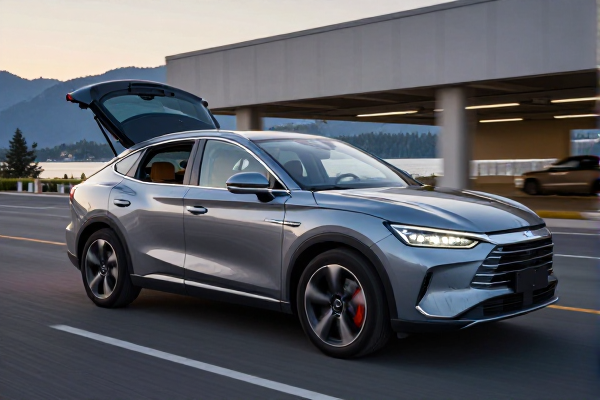
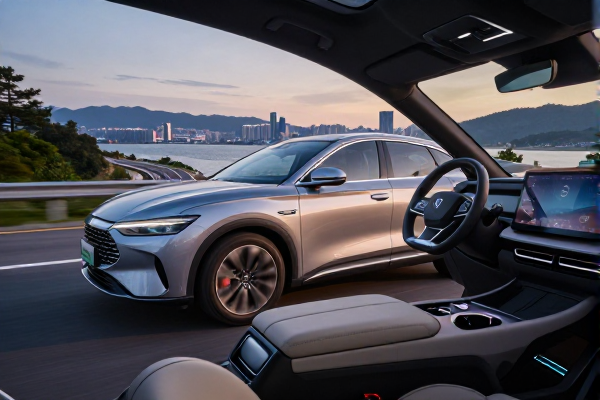
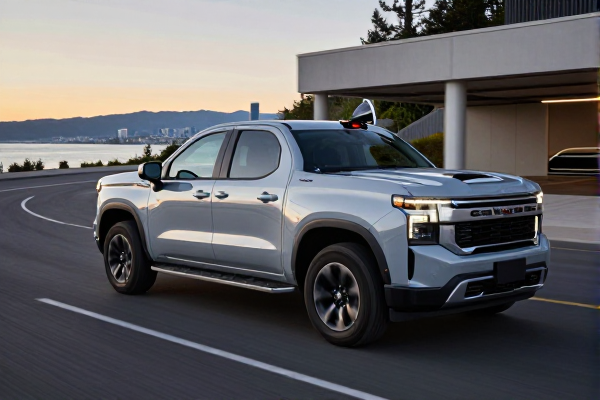
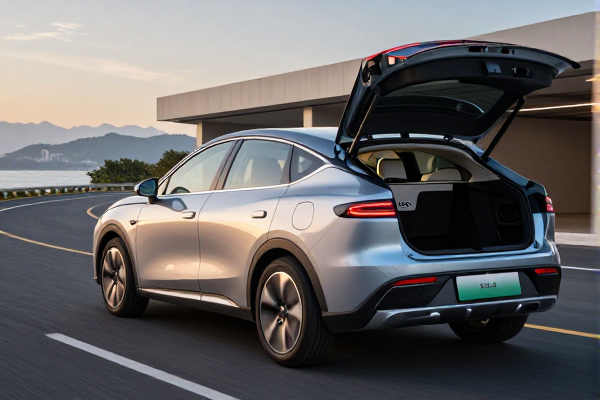
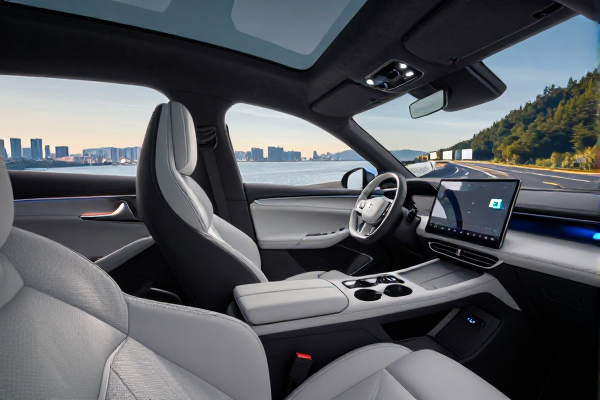
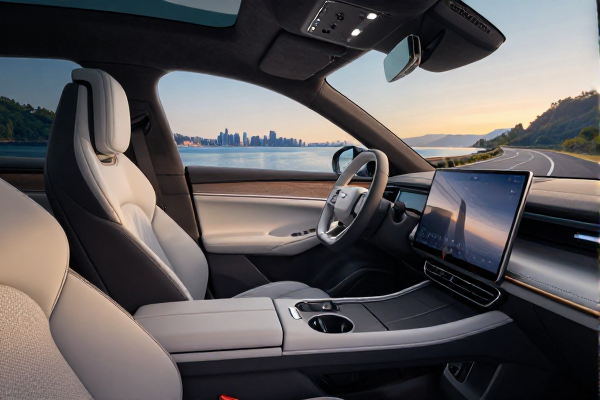
Most automakers keep their biggest reveals for the autumn. Dealerships need the new sheet metal ready before the end-of-year sales push, and the 2026 lineup will arrive in waves: redesigned three-row family haulers, refreshed half-ton pickups, and a fresh batch of midsize electric sedans promising more range for the same money.
Some of the biggest news is brand positioning rather than horsepower. Tata Motors, the Indian manufacturer that owns Jaguar Land Rover, recently split its identity into Tata.Cars and Tata.EV. It’s an unusual move but a useful reminder that the global industry is now asking one question at every launch: how real is the electric transition? In the U.S., that question is being answered with production timetables, battery plant openings and software updates that arrive over the air.
Ethanol sounds like a clean answer until you look at the cars that still fill the lanes. In the U.S., regular gasoline typically contains 10 percent ethanol. The EPA has approved E15 for many cars built after 2001, but only for vehicles that meet specific emissions and durability criteria. E85 remains a different animal, and only flex-fuel vehicles should use it.
The gap between pump labels and vehicle certification is where trouble starts. AAA has warned for years that E15 can cause fuel-system problems in vehicles not specifically designed for it, even if the model year appears on government approval lists. Small engines, motorcycles, marine engines and older cars have even less protection.
India is now facing the same argument. A large share of the existing Indian fleet is not certified for E10, yet policy talk is already moving toward E30 and E85. The U.S. is a few steps ahead on infrastructure, but the principle in America is exactly the same: a blends mandate means little if the vehicles already on the road don’t have the injectors, seals and fuel pumps to handle it.
Ethanol-blend debates focus on the fuel recipe, but contamination is a much bigger and more immediate problem. Under the right conditions, ethanol absorbs water from the air, from a leaking pump or from a station tank with a cracked seal. Once the water content crosses a threshold, the fuel phase-separates: the ethanol-water mixture drops to the bottom, and the car tries to run on whatever is left above it.
That’s why a car can stall with no warning after a rainstorm. The fuel pump might hum or whine, and a scan tool will often show lean fuel trims that make no sense to the driver. By the time the check-engine light comes on, the injectors and fuel pump may already be damaged.
After heavy storms in the Southeast in recent weeks, fuel suppliers have been forced to drain and discard thousands of gallons of gasoline rather than risk more breakdowns. It is an economic loss the station owner did not create, but it becomes one fast. The best protection is as old as the odometer: if a station looks flooded, has a wet smell around the fill area, or is selling fuel after a storm scare, drive on. The next brand-name station may cost you five minutes, not five hundred dollars.
Wrong-way driving continues to be one of the most stubborn safety problems in the U.S. Federal statistics place the death toll in the hundreds every year. The common denominator is a driver who decides that oncoming lanes are an acceptable shortcut, often while impaired, confused, or simply in a hurry.
The first sign of trouble is usually headlights approaching in the wrong direction. Avoid the natural urge to stare at them. Easing off the accelerator, moving to the right shoulder and slowing down until you can stop is safer than making a sudden lane change. Some states are testing radar systems that detect wrong-way vehicles at exit ramps and instantly warn nearby drivers through electronic signs and highway patrol alerts. Texas and Arizona have already deployed pieces of this technology on the worst interstate ramps.
But hardware alone will not solve the attitude. Too many wrong-way drivers behave as if every other vehicle should simply get out of the way. If they are challenged, some become aggressive—honking back, flashing lights, even making gestures. That belligerence turns a mistake into an accident. The fix has to include license review for elderly drivers who are disoriented, harsher penalties for impaired drivers, and better lane markings that remove any guesswork after midnight.
For drivers about to sign on a new 2026 model, the advice is simple. Check the fuel recommendation in the owner’s manual before filling up with anything other than regular unleaded. Avoid stations that have obviously been through flooding, and pay attention to pump labels that advertise ethanol content. Higher ethanol numbers are not automatically better, and flex-fuel status only matters if the vehicle is actually flex-fuel certified.
The same logic applies to the road. The new car will be packed with cameras, sensors and automatic emergency braking, but none of those systems can spot a wrong-way driver before the human brain does. The smartest feature in any 2026 model is still a driver who expects trouble at every curve, every exit ramp and every rainy gas station.