Browse

Log in / Register
 Share

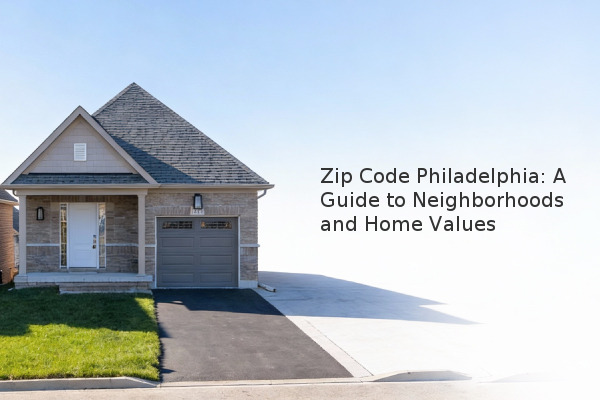
Understanding Philadelphia's zip codes is crucial for accurately assessing neighborhood character, property types, and market values. Home values and lifestyle amenities can vary dramatically from one Philadelphia zip code to another, making this geographic identifier a key tool for buyers and sellers. This guide provides an objective overview of how zip codes shape the local real estate landscape.
Zip codes in Philadelphia, such as 19103 (Rittenhouse Square) or 19147 (Pennsport/Queen Village), serve as precise markers for neighborhood boundaries and market trends. These five-digit codes, assigned by the United States Postal Service, have become informal shorthand for specific areas, each with its own unique profile. For a prospective buyer, recognizing the differences between zip codes is the first step in a targeted search.
A zip code offers immediate clues about a neighborhood's density, architectural style, and price point. For example, zip code 19106, encompassing Old City, is known for its historic brick-front homes and condominiums, reflecting the area's colonial heritage. In contrast, zip code 19154 in the Northeast features more suburban-style single-family homes with larger lots. Beyond housing stock, zip codes correlate with access to public transportation, school districts, and proximity to commercial corridors. Real estate professionals often use zip code data to generate comparative market analyses (CMAs), which help determine a property's likely selling price based on recent sales of similar homes in the same area.
Market values are highly localized. The following table illustrates the median home sale price variation across a sample of Philadelphia zip codes, based on aggregated data from local real estate portals within the past year. It is important to note that these figures represent a snapshot and can fluctuate.
| Philadelphia Zip Code | Representative Neighborhoods | Median Sale Price (Approx.) |
|---|---|---|
| 19102 | Center City West | $750,000+ |
| 19118 | Chestnut Hill | $600,000 |
| 19130 | Fairmount/Art Museum Area | $500,000 |
| 19147 | Pennsport, Queen Village | $450,000 |
| 19128 | Roxborough | $380,000 |
| 19136 | Holmehurst, Modena Park | $300,000 |
This data highlights the premium associated with central business districts and historically affluent neighborhoods compared to more residential, outlying areas. Appreciation, or the increase in a property's value over time, also varies by zip code, influenced by new development projects and shifting demographic trends.
For buyers, defining a search by zip code can streamline the process. It allows for focused monitoring of new listings and a clearer understanding of what your budget can afford in a specific micro-market. Sellers benefit from this granularity by pricing their homes competitively. A correct comparative market analysis (CMA) is essential for setting a realistic listing price that attracts serious offers without leaving money on the table. Furthermore, property taxes are calculated based on the assessed value of the home, which is inherently linked to its location within a specific zip code and the sales activity within that area.
While zip codes provide excellent high-level filtering, they are not the final word. "Hyper-local" factors on a specific block can significantly impact value and desirability. These include the condition of immediate neighbors' properties, noise levels, parking availability, and access to parks. It is also critical to verify school catchment zones, as they do not always align perfectly with zip code boundaries. Engaging a real estate professional can help you navigate these finer details that data alone may not reveal.
In summary, Philadelphia's zip codes are invaluable for initial research but should be the starting point, not the endpoint, of your real estate evaluation. Key advice for using zip code data effectively includes: reviewing recent sales comps, visiting neighborhoods at different times, and understanding that value is influenced by both macro-location and micro-local characteristics. This balanced approach will lead to more informed and confident real estate decisions.