Browse

Log in / Register
 Share

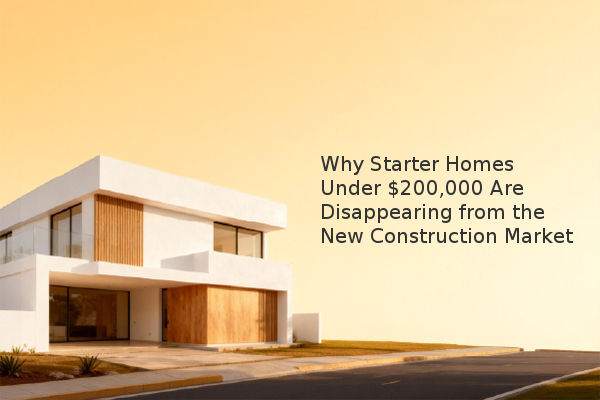
For first-time homebuyers in 2026, the search for an affordable new construction home is increasingly difficult. The core issue is that builders are focusing on higher-priced properties, making entry-level options exceptionally rare. Data indicates that a minuscule percentage of new homes now sell for under $150,000, a trend driven by construction costs and market incentives. This article explains the economic forces behind the vanishing starter home and what it means for your homebuying journey.
The market share for the most affordable new homes has shrunk dramatically. Based on recent analysis, homes priced under $150,000 constituted just 2% of all new home sales, a significant decrease from previous years. The next price tier, homes between $150,000 and $199,999, also saw a dip, accounting for approximately 12% of sales. This contrasts sharply with the majority of new construction, which is concentrated in the $200,000 to $399,999 range. The median price of a new home—the point where half of all homes sold for more and half for less—is substantially higher than that of an existing home, highlighting the affordability gap for buyers seeking new construction.
The primary reason is economic feasibility. It is often more cost-effective for builders to focus on higher-margin properties. The high costs of land, labor, building materials, and navigating regulatory and financing hurdles make constructing homes at a lower price point less profitable. Essentially, the revenue from a premium home better covers the builder's expenses than that of a starter home. Furthermore, new homes typically offer modern features, larger square footage, and updated designs, which inherently command a higher price. As a result, the market supply naturally skews toward these more expensive abodes.
The price difference is significant. In recent reports, the median price of a new home was nearly 34% higher than the median price of an existing home. This gap exists because new construction includes the latest amenities and building standards, which are factored into the cost. Existing homes, often referred to as resale homes, provide a more affordable entry point into the market, which is why the majority of first-time buyers purchase them. The premium for a new home buys you modern layouts, energy-efficient appliances, and potentially fewer immediate maintenance concerns.
New home sales are not uniform across the United States. The Southern region leads in new construction activity, accounting for the largest share of sales. This trend is fueled by factors like a warmer climate, business-friendly tax environments, and a generally lower cost of living, which attract both companies and new residents. The Western region follows, also showing strong annual growth. The Midwest and Northeast have a smaller but still active share of the new home market, with sales increasing year-over-year, albeit from a smaller base.
For prospective buyers, the key takeaway is to adjust expectations. While the desire for a brand-new home is understandable, the market reality makes existing homes a more practical and affordable option for most first-time purchasers. Focus your search on well-maintained existing homes in desirable neighborhoods to maximize your budget. Understanding these market dynamics is the first step toward a successful purchase in 2026.