Browse

Log in / Register
 Share
Share
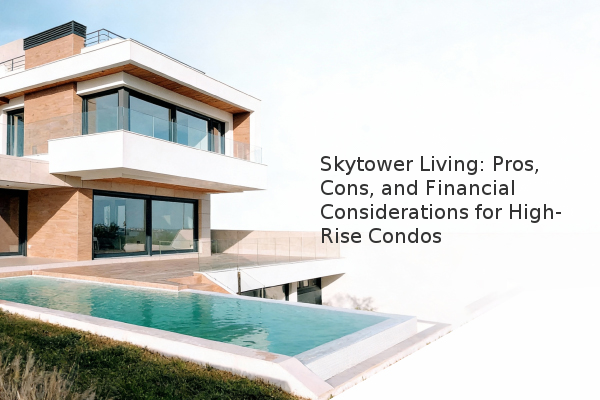
Living in a skytower, a term for a very tall residential high-rise building, offers a unique urban lifestyle defined by panoramic views and premium amenities. However, this vertical living experience comes with distinct financial and practical considerations. The core appeal of skytower living lies in its luxury amenities and location, but prospective buyers must carefully evaluate factors like homeowners association (HOA) fees, building stability, and resale value before committing. This analysis provides an objective overview to inform your decision.
The benefits of residing in a skytower are often immediately apparent. Unobstructed views are a significant draw, providing natural light and a sense of space that is hard to find in other property types. Furthermore, developers of these prestigious buildings typically invest heavily in premium amenities. It is common to find shared facilities such as 24-hour concierge services, state-of-the-art fitness centers, resort-style pools, and communal lounge areas. These features contribute to a convenient and luxurious lifestyle. Location is another critical advantage; skytowers are almost exclusively situated in prime urban areas, offering unparalleled walkability to business districts, entertainment venues, and public transportation hubs. This combination of views, amenities, and location creates a powerful value proposition for many urban dwellers.
Despite the allure, high-rise living presents unique challenges. Monthly HOA fees are typically substantially higher than those for low-rise condos or single-family homes. These fees cover the maintenance of common areas, staffing for concierge and security, and the upkeep of expensive amenities like elevators and swimming pools. Prospective owners should request a detailed breakdown of the HOA budget to understand what is covered. Another consideration is the potential for special assessments, which are additional fees levied on all residents for major, unforeseen repairs, such as facade work or elevator modernization. Additionally, the sense of community can be less intimate than in smaller buildings, and privacy may be affected by proximity to neighbors in shared elevator banks and hallways.
The financial commitment extends beyond the mortgage payment. A thorough affordability assessment must account for two recurring costs: HOA fees and property taxes. HOA fees can range from several hundred to over a thousand dollars per month, depending on the building's luxury level and amenity package. These fees are a permanent part of the cost of ownership and can impact loan qualification. Property taxes are calculated based on the local government's assessed value of your individual condominium unit. In desirable urban centers where skytowers are common, these tax rates can be significant. It is crucial to factor these ongoing expenses into your long-term budget, as they directly affect the total cost of ownership and potential investment return.
| Financial Consideration | Typical Cost Range (Monthly) | Key Factors |
|---|---|---|
| HOA Fees | $500 - $2,000+ | Building amenities, age of building, location |
| Property Taxes | Varies by state and assessed value | Local tax rate, unit purchase price |
| Mortgage Payment | Based on loan amount and interest rate | Down payment, credit score, loan term |
Before purchasing a unit in a skytower, conducting rigorous due diligence is essential. Scrutinize the HOA's financial health by reviewing its reserve study, which assesses the building's savings for future major repairs. A well-funded reserve indicates good management and reduces the risk of special assessments. It is also critical to review the HOA's meeting minutes and rules (CC&Rs) to understand any pending litigation, rental restrictions, or pet policies. Furthermore, consider the building's construction quality and soundproofing. A well-built skytower with concrete between units will offer greater acoustic privacy than one with less robust materials. Based on our experience assessment, engaging a real estate attorney familiar with high-rise transactions is a prudent step to navigate these complex documents.
Purchasing a condominium in a skytower is a major decision that balances lifestyle benefits with financial obligations. The stunning views and high-end amenities are compelling, but they come at a premium cost reflected in HOA fees and purchase price. Prospective buyers should prioritize a thorough review of the HOA's financials, understand all recurring costs, and assess the building's construction quality. By focusing on these verifiable factors, you can make an informed choice about whether the distinctive lifestyle of a skytower aligns with your personal and financial goals.