Browse

Log in / Register
 Share

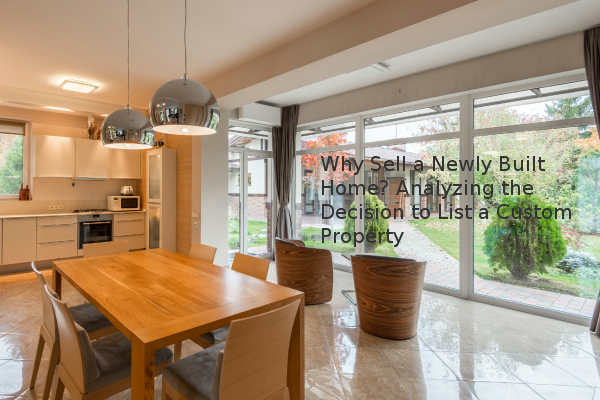
Selling a newly constructed, custom-built home shortly after completion is a strategic decision often driven by significant shifts in personal circumstances, evolving market conditions, or a calculated investment strategy. Based on our experience assessment, this move can capitalize on peak property value, especially in high-demand markets like Los Angeles, where unique architectural styles command premium prices. For potential buyers, such a listing offers a rare turnkey opportunity without the wait and complexities of new construction.
What Motivates the Sale of a Brand-New Custom Home?
The decision to sell a property immediately after a lengthy design and build process is not typical. Several key factors can influence this choice. A primary reason is a change in the owner's lifestyle needs, such as a relocation for work or family. The real estate market is dynamic, and favorable market conditions can present an opportune moment to sell, potentially locking in substantial gains. In some cases, the sale is part of a pre-meditated investment strategy, where the individual or entity acts as a developer, building a spec home specifically for resale. The allure of a custom-built home is its uniqueness, but that same specificity might not align with the original owner's long-term plans if those plans change.
What Are the Key Considerations for a Buyer of a Newly Listed Custom Property?
Purchasing a recently completed custom home differs from buying a resale property. The advantages are clear: modern building codes, state-of-the-art materials, and customized layouts. However, due diligence is critical. Prospective buyers should prioritize several areas:
The table below outlines a basic comparison for buyers considering such a property.
| Feature | New Custom Home (Like the Subject Property) | Traditional Resale Home |
|---|---|---|
| Condition | Brand new; no prior wear and tear | Varies; may require immediate updates or repairs |
| Customization | Built to previous owner's specs; limited ability to change | Opportunity to renovate and personalize over time |
| Maintenance Costs | Typically lower in initial years | Can be higher, depending on age and condition |
| Price Premium | Often carries a premium for newness and custom features | Generally priced based on market comps and condition |
How Does the Local Real Estate Market Influence This Type of Sale?
The success of selling a high-value, unique property is intrinsically linked to the local market dynamics. In a seller's market, characterized by low inventory and high demand, such a property can attract multiple offers and sell at or above the asking price. Data from Q4 2025 for the Los Angeles luxury market indicates continued strength, supporting the potential for a successful sale at a premium. The specific architectural style, such as the noted concrete construction, can be a significant selling point, appealing to a niche segment of buyers seeking durability, modern design, and energy efficiency. Conversely, in a buyer's market, the property may need to be priced more competitively to stand out.
What is the Financial Implications of a Rapid Sale?
From a financial perspective, selling a property soon after purchase has several implications. The seller may be subject to capital gains tax—a tax on the profit made from the sale of an asset—if the property was not their primary residence for at least two of the five years preceding the sale. However, significant costs associated with the sale itself, such as real estate agent commissions (typically 5-6% of the sale price), transfer taxes, and attorney fees, will reduce the net proceeds. A seller must weigh these costs against the potential profit.
Conclusion: A Calculated Move in a Dynamic Market
The listing of a newly built custom mansion is a complex transaction influenced by personal and market forces. For the seller, it represents a decision to liquidate a significant asset, potentially for a strong return. For the buyer, it is a chance to acquire a one-of-a-kind property without the burden of construction.
Key practical advice for buyers includes: securing a specialized inspector familiar with custom builds, thoroughly reviewing all builder warranties, and obtaining a clear estimate of post-sale property taxes. For sellers, the critical step is to work with an agent experienced in marketing unique, high-value properties to ensure the correct valuation and targeted marketing strategy.